
nanobananaproNano Banana Pro is a premium image generation and editing model built on Google's Gemini 3 Pro, tuned for top quality and reliability with an observed ~99% success rate. It handles both text-to-image and reference-image editing across 1K / 2K / 4K output, making it a fit for production work that demands consistent, high-quality results — product imagery, marketing creative, and design systems. Pair it with the faster, cheaper Nano Banana 2 (Gemini 3.1 Flash Image) for high-volume work; both are called through the same unified endpoint. Priced at $0.068 for 1K/2K and $0.13 for 4K, well below official rates.
Generated image will appear here
Enter a prompt and click Generate
Highest reliability available
Best output quality
$0.068 (1K/2K), $0.13 (4K)
Built for scale
Nano Banana Pro is the community nickname for Google's Gemini 3 Pro Image model — API id gemini-3-pro-image-preview — the premium, top-quality tier of Google's image family. Where the faster Nano Banana 2 (Gemini 3.1 Flash Image) is tuned for speed and high volume, Nano Banana Pro is built for maximum fidelity, advanced visual reasoning, and dependable production-grade output.
Through APIMODELS you call Nano Banana Pro from a single unified endpoint for both text-to-image and reference-image editing, across 1K, 2K, and 4K, with an observed ~99% success rate. If you searched for 'Nano Banana Pro', 'Gemini 3 Pro Image', or the exact model name gemini-3-pro-image-preview, this Nano Banana Pro API page turns that model into a working call in minutes — no Google Cloud project, no Vertex AI setup, and no waitlist.
The Nano Banana Pro API is priced by resolution: $0.068 per image at 1K and 2K, and $0.13 at 4K — well below Google's official Gemini 3 Pro Image rates. There is no monthly fee and no minimum spend, and failed generations are never charged, so the cost of Nano Banana Pro stays predictable whether you run ten images or ten thousand.
Access is deliberately simple. One API key from APIMODELS unlocks Nano Banana Pro (Gemini 3 Pro Image) alongside every other model on the platform — no separate Google account, no Google Cloud billing project, and no Vertex AI. The Nano Banana Pro endpoint is reachable from anywhere, including mainland China. Point any OpenAI-style client at the endpoint, pass the model gemini-3-pro-image-preview, and you are generating.
The precise comparison, because it is the question everyone actually asks: Google lists Gemini 3 Pro Image at $120 per million image tokens, which works out to $0.134 for a 1K or 2K image and $0.24 at 4K. Nano Banana Pro here is $0.068 at 1K/2K and $0.13 at 4K — 49% below official at 1K and 2K, and 46% below at 4K.
| Resolution | Google official | Nano Banana Pro here | You save |
|---|---|---|---|
| 1K | $0.134 | $0.068 | 49% |
| 2K | $0.134 | $0.068 | 49% |
| 4K | $0.24 | $0.13 | 46% |
Getting started takes three steps. Sign up for APIMODELS and claim the free starter credit — enough to test Nano Banana Pro before you spend anything, which answers the common 'is Nano Banana Pro free' question: your first images are covered by that credit. Create one API key from the console.
Then send a request to the image endpoint with model gemini-3-pro-image-preview and your prompt; add one or more reference images to switch Nano Banana Pro from text-to-image into editing mode. Because the Nano Banana Pro API follows the same OpenAI-style request shape as the rest of the platform, most teams are live in a single afternoon, and promoting a draft from Nano Banana 2 to Nano Banana Pro is a one-line model-name change.
Nano Banana Pro inherits the advanced reasoning of Google's Gemini 3 Pro, which is what sets it apart from ordinary image models. It follows long, layered prompts — multiple subjects, precise spatial relationships, and brand rules — far more faithfully, so the picture you describe is the picture Nano Banana Pro returns.
Its standout strength is high-fidelity in-image text rendering. Nano Banana Pro lays legible, correctly-spelled typography into posters, packaging, UI mockups, and infographics — a task where most image models still fail. Combined with reference-image editing (send one or more images and describe the change), Nano Banana Pro handles both greenfield generation and precise edits of existing assets.
You control output across 1K, 2K, and 4K, and the flagship Nano Banana Pro channel holds an observed ~99% success rate — the most reliable tier in the family — so it is safe to build automated, high-volume pipelines on the Nano Banana Pro API without babysitting retries.
Every request also lets you pick the aspect ratio and resolution, so the same Nano Banana Pro prompt can produce a square thumbnail, a wide hero banner, or a 4K print master. That flexibility, plus consistent quality across a whole batch, is why teams standardize on Nano Banana Pro for anything customer-facing.

Four common ways teams put the Nano Banana Pro API into production:
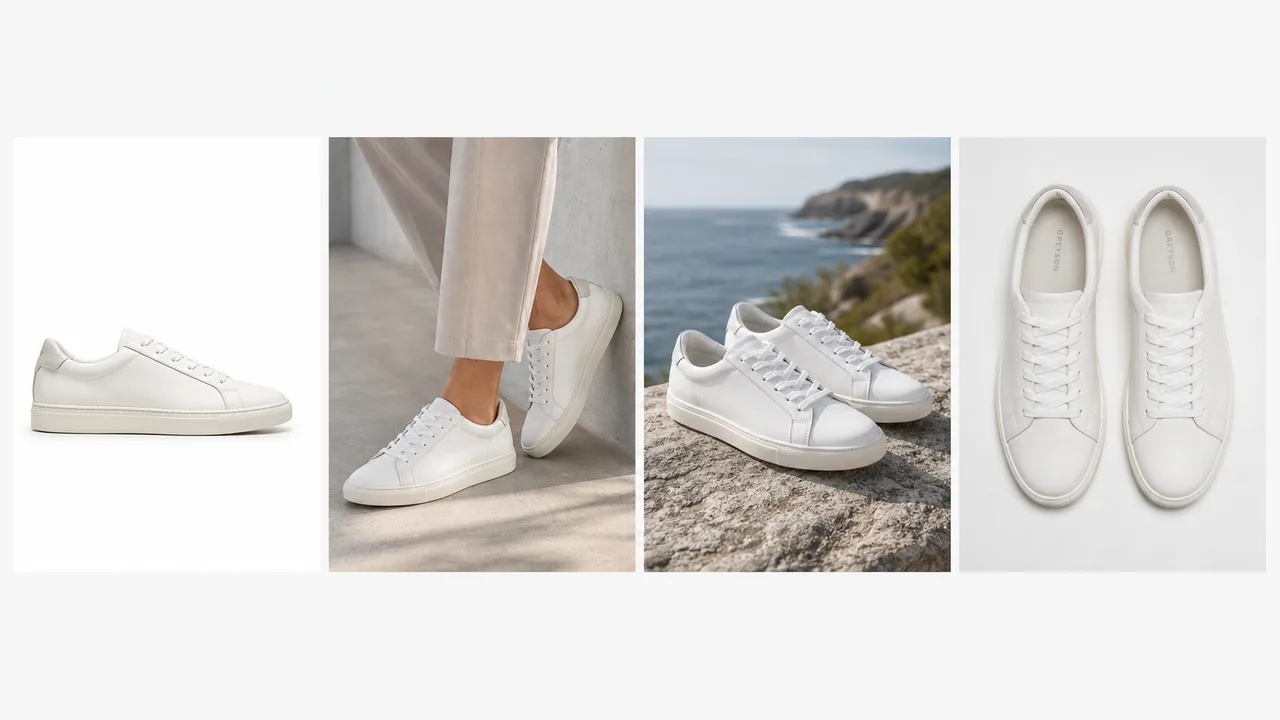
Online sellers use the Nano Banana Pro API to turn a single product photo into a full set of on-model, lifestyle, and seasonal shots. Because Nano Banana Pro preserves fine texture and material detail, the variants stay faithful to the real product — critical on marketplaces like Amazon and Shopify where a misleading image means returns. Batch a catalog at 2K for listings, then re-render hero shots at 4K.
Marketing teams lean on Nano Banana Pro for hero banners, ad creative, and social visuals that carry real headline text inside the image. Its high-fidelity text rendering means the tagline is spelled correctly and legibly the first time, so designers stop retouching typography by hand. Generate localized variants of the same layout for every market in one automated pass.

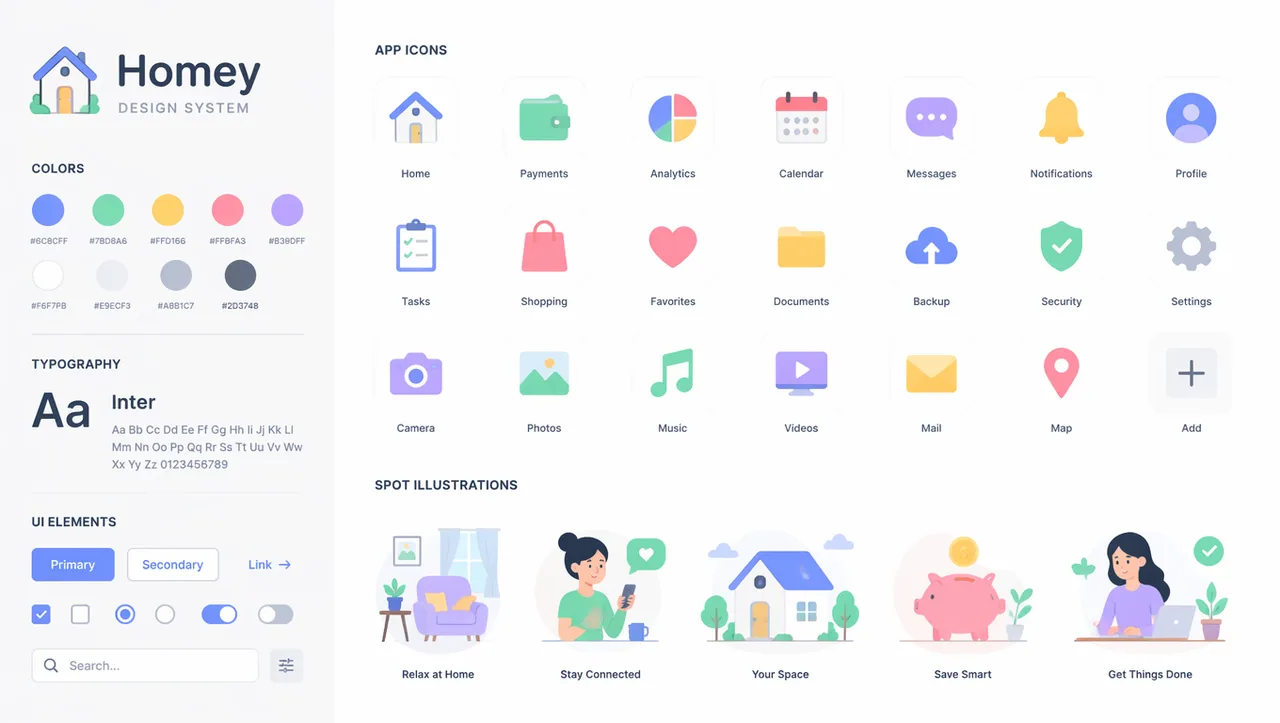
Product and design teams generate icons, illustrations, empty-state art, and onboarding graphics with the Nano Banana Pro API, keeping a consistent house style across hundreds of assets. Reference-image editing lets you feed an existing asset and ask Nano Banana Pro for a matching variant, so the design system grows without a human redrawing every piece.
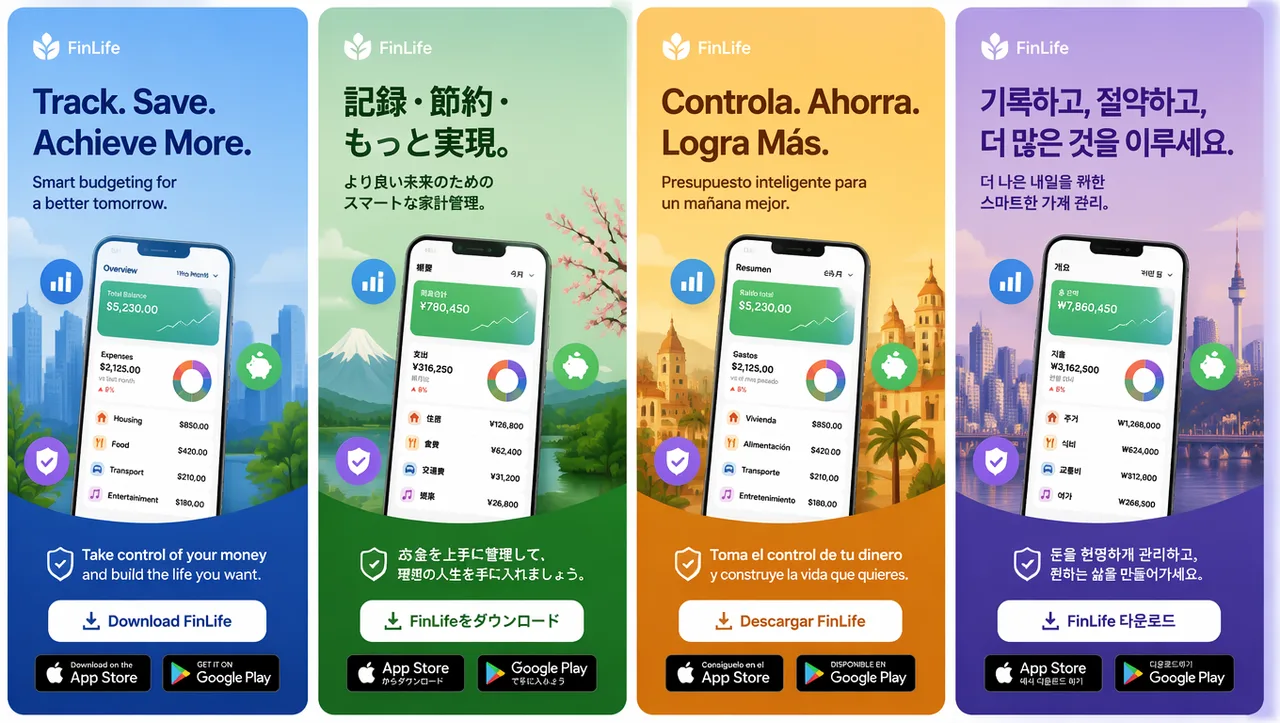
Global apps use Nano Banana Pro to localize visuals — swapping in-image copy, currency, and culturally-appropriate imagery per region — without a separate design cycle for each language. Since Nano Banana Pro is reachable from anywhere including mainland China and renders text faithfully across scripts, one pipeline covers every market you ship to.
Calling Nano Banana Pro through APIMODELS means one key for every model, transparent per-image pricing below official rates, and no Google Cloud or Vertex setup to wire up. You get failed-generations-not-charged billing, results hosted for you, and an endpoint that works from anywhere including mainland China.
Because the whole platform is built for developers, the Nano Banana Pro API sits behind the same OpenAI-style interface as the rest of the catalog — switch models by changing one string. Claim the free credit on signup, ship your first Nano Banana Pro (gemini-3-pro-image-preview) call today, and scale to production without renegotiating access.
The mistake to avoid first: the model string is gemini-3-pro-image-preview. The word nanobananapro is this page's slug and our internal channel name, and posting it as a model id returns a 400 with the list of accepted names. Send the Gemini id and you are on Nano Banana Pro.
Everything runs through one endpoint and one bearer key: POST /api/v1/images/generations. By default it creates a task and returns a taskId immediately, which you poll with GET /api/v1/images/generations?task_id=... or receive on a callback_url — the right shape for batch and queue work. For an interactive UI, add an OpenAI-style size (for example 1024x1024) and no callback_url: the same request then waits for the image and answers in the OpenAI shape, {created, data:[{url}]}, with response_format set to url if you want a link rather than base64. Editing uses that same endpoint — pass image_urls alongside the prompt. The body is model, prompt, optional image_urls, aspect_ratio (1:1, 4:5, 3:2, 16:9, 9:16, 2:3, 21:9 and others) and resolution set to 1k, 2k or 4k.
Two operational details that decide how you write the job. Nano Banana Pro returns a hosted URL rather than base64, so a result can go straight into a CMS; and those files are kept for 7 days, which is long enough for a pipeline to collect them but is not archival storage — copy anything you intend to keep into your own bucket in the same run. If you would rather see the exact payload before writing code, the playground at the top of this page fires the real request with your key.
From Google directly, the move is a base URL, a key and a couple of parameter names — the model underneath is the same Gemini 3 Pro Image, so prompts carry over unchanged and Nano Banana Pro produces what you were already getting. What disappears is the Google Cloud project, the billing account, the quota request and the organisation verification step.
From another aggregator, four questions separate a real price from a headline one: are failed generations billed, is a 4K request quietly served at a lower resolution, how long do result files survive, and does the provider say which upstream serves the model. Our answers are on this page: successful images only, no silent downgrade, 7 days, and Nano Banana Pro is Google's Gemini 3 Pro Image.
The cheapest way to be sure is to run both stacks for a day on your own briefs — same prompts, same aspect ratios, 2K on each — and compare the sets side by side. At $0.068 an image the experiment costs less than the meeting about it, and it answers the question in a way no comparison table can, this one included. If the volume then turns out to be draft work rather than final art, move that half of the pipeline to Nano Banana 2 at $0.05 and keep Nano Banana Pro for what ships.
The most common question is whether to use Nano Banana Pro or the standard Nano Banana 2. Reach for Nano Banana Pro (Gemini 3 Pro Image) when quality, detail, and reliability matter most — hero images, client work, and typography-heavy creative. Reach for Nano Banana 2 (Gemini 3.1 Flash Image) when you need speed and the lowest cost for high-volume drafting. Both run on the same endpoint and one API key, so a common pattern is to draft at volume on Nano Banana 2 and finish the keepers on Nano Banana Pro.
| Nano Banana Pro | Nano Banana 2 | |
|---|---|---|
| Model | Gemini 3 Pro Image | Gemini 3.1 Flash Image |
| Best for | Max quality, detail, reliability | Speed, high volume, low cost |
| Price (1K / 2K) | $0.068 | $0.05 |
| Price (4K) | $0.068 | $0.08 |
| Success rate | ~99% (flagship) | Fast tier |
| In-image text | High fidelity | Good |
Gemini 3 Pro Image (Pro) is a Image Generation API provided by nanobananapro. Nano Banana Pro is a premium image generation and editing model built on Google's Gemini 3 Pro, tuned for top quality and reliability with an observed ~99% success rate. It handles both text-to-image and reference-image editing across 1K / 2K / 4K output, making it a fit for production work that demands consistent, high-quality results — product imagery, marketing creative, and design systems. Pair it with the faster, cheaper Nano Banana 2 (Gemini 3.1 Flash Image) for high-volume work; both are called through the same unified endpoint. Priced at $0.068 for 1K/2K and $0.13 for 4K, well below official rates. Through APIMODELS platform, you can access this model via a unified API with transparent pay-as-you-go pricing. Current pricing: 1K: $0.068, 2K: $0.068, 4K: $0.13.
Generate high-quality product visuals for online stores, ads, and marketing materials.
Create eye-catching visual content for social platforms to boost engagement and brand visibility.
Produce concept art for characters, scenes, and props to accelerate game development.
Design posters, banners, and promotional graphics at a fraction of traditional design costs.
Gemini 3 Pro Image (Pro) is available through APIMODELS at: 1K: $0.068, 2K: $0.068, 4K: $0.13. Billing is pay-as-you-go — you only pay for what you generate.
Sign up at APIMODELS, get your API key, and call our unified API endpoint. We provide detailed API documentation with code examples in cURL, Python, and Node.js.
APIMODELS offers the same Gemini 3 Pro Image (Pro) model through our aggregation platform. We provide a unified API interface so you do not need separate accounts for each provider - one API key to access all models.
Nano Banana Pro is a premium image generation and editing model built on Google's Gemini 3 Pro, tuned for top quality and reliability with an observed ~99% success rate. It handles both text-to-image and reference-image editing — a fit for production work that demands consistent, high-quality output.
For top quality, the steadiest success rate, and production use → pick Pro (1K/2K $0.068, 4K $0.13). For speed and lower unit cost at volume → pick Nano Banana 2 on Gemini 3.1 Flash (1K/2K $0.05, 4K $0.08). Both are called through the same APIMODELS endpoint, so you can switch anytime.
Yes — 1K / 2K / 4K output plus reference-image editing. Through APIMODELS it is cheaper than official: 1K/2K $0.068, 4K $0.13, with one API key for Pro, Lite and every other image model, and failed tasks are not billed.
Over the last 30 days of production traffic: **38,695 successful generations against 248 infrastructure failures — a 99.4% infrastructure success rate**, with a median of 39 seconds and p95 of 117 seconds. This is the highest-volume image model on the platform, so the sample is large enough to mean something. The definition is stated plainly: it counts only failures that are ours to fix (timeouts, upstream congestion, missing image), and excludes Google content-policy rejections and malformed input, because those clear once you adjust the prompt or parameters and neither is ever billed. Worth saying out loud: **almost nobody in this industry publishes a success rate at all.** Look at the API pages of other providers and you will find "stable" and "highly available" — adjectives you cannot verify. We publish the real 30-day production numbers along with how they are computed, and you can ask any provider the same question.
No. Timeouts, upstream congestion and content-policy rejections are all free — you pay only for images actually delivered. Credits are reserved up front and released automatically on failure. So beyond the success rate itself, your exposure is zero: the failures cost nothing.
No subscription, no monthly fee, no minimum spend — you pay per image. The smallest top-up is $10 and one API key covers every model on the platform (image, video, audio and LLMs share a single USD balance). New accounts on consumer email domains get $0.10 in free credit, so you can judge output quality before paying. No Google Cloud project, no business verification, and reachable from mainland China.
Paying by Stripe lets you enter a business tax ID (EU VAT and equivalents) at checkout; a formal invoice PDF with both parties' tax details is generated automatically and emailed. PayPal invoices are issued manually — email support@apimodels.app. On budget: the account is prepaid, so when the balance runs out calls return 402 rather than continuing to bill; the ceiling is hard. You can also set a low-balance webhook and auto top-up, and every charge and result is itemised in the console.
Three doors: Google directly (Vertex AI / Gemini API), independent gateways like APIMODELS, and general aggregators. Judge on four things rather than headline price: (1) **the real success rate and how it is computed** — ask whether content-policy rejections sit in the denominator, and note that most platforms publish no number at all; (2) whether failures are billed; (3) whether pricing is predictable; (4) whether you can get access — the official route needs a Google Cloud project and billing account. Our own figures and their definition are on this page, including the parts that do not flatter us.
On this model, yes. $0.068 per image at 1K and 2K, $0.13 at 4K — well under Google's own list price — with a 99.4% infrastructure success rate measured over 38,943 production calls. The lower price does not come from downgrading anything: it is the same Gemini 3 Pro Image model, priced flat per image. Go official if you are already inside Google Cloud and need VPC or data-residency commitments, or contractual quota and SLA terms.
Under our terms you retain your rights in the inputs you submit and the outputs you generate, and commercial use is permitted; end use remains subject to Google's content policy. Result files are kept in object storage for **7 days** and then deleted, so download or re-host what you need. Prompts and call records stay in the console long-term.
On APIMODELS, Gemini 3 Pro Image (Pro) runs alongside 60+ models on one API key and one balance, so choosing is about fit, not lock-in. It supports Text to Image, Image Editing, 1K/2K/4K Quality, 99% Success Rate, and you can weigh it on price and capability against other Image Generation models, then switch by changing a single model-name string — no new account or integration. Browse every Image Generation option with live pricing at apimodels.app/models.
Gemini 3 Pro Image (Pro) supports: Text to Image, Image Editing, 1K/2K/4K Quality, 99% Success Rate. See the APIMODELS docs for full parameters and call examples.
Yes. APIMODELS exposes Gemini 3 Pro Image (Pro) through a single unified API and one key — no separate provider accounts, and no need to handle each provider's regional network access yourself.
We support Stripe (Visa, Mastercard, and other international cards) and Alipay. Credits are available instantly after payment.
Prompts shared by their authors — copy and adapt them. Each one credits its author and links back to the original post.

Neon Tokyo Music Video (native stereo audio)
Music video. The soundtrack is a high-energy city-pop / synthwave track with a driving bassline, punchy live drums and a bright analog synth hook, playing continuously from the first frame. Neon-lit Tokyo backstreet at night in the rain. A young female singer in an oversized translucent raincoat performs straight to camera under a red izakaya lantern, singing the hook in sync with the music. Fast cuts landing on the beat: wide shot down the alley with neon reflected in puddles; tight close-up of her face with magenta rim light and rain on her cheek; low-angle push as she walks toward camera when the bass drops; quick insert of rain hitting a buzzing neon sign; back to a wide performance shot as the hook repeats. Anamorphic lens flares, shallow depth of field, 35mm film grain, teal and magenta palette, cinematic colour grade. No on-screen text.
by APIMODELS

Living Wallpaper: Aurora Lake (locked camera)
Locked-off static camera. No zoom, no pan, no dolly, no parallax. Only ambient atmosphere moves: the aurora ribbons drift and undulate slowly across the night sky, thin low mist creeps gently across the lake, the water surface breathes with extremely subtle ripples while keeping the mirror reflection intact, faint stars shimmer. Calm, continuous, seamless ambient loop. Nothing enters or leaves the frame, no new objects, no people, no text.
by APIMODELS

Condor Heroes characters teach English word dream
神雕侠侣主角趣味讲单词 dream 教程
by @nicekate8888
We curate copy-ready prompt libraries — every entry shows its full text and a sample result, ready to adapt.
How to get access, regional availability, and how this model compares with its alternatives.
