
gpt-image-2.5-sunburstGPT Image 2.5 は OpenAI の最新画像モデルで、GPT Image 2 からの進化は「1 枚目の生成」より「編集」にあります。直したい箇所を指定すればそこだけが変わり(服を替えても顔は動かず、文字を書き換えても背景は動かない)、同じ人物や商品を何ラウンド編集しても崩れません。本物のアルファ付き透過 PNG にもネイティブ対応しました。gpt-image-2.5-sunburst は最高精度ティアで、既定は high、1 枚あたりの時間は長め、商用のプレミアムなビジュアル向けです。APIMODELS では解像度 × 画質で課金します(15 区分)。1K $0.01–$0.08、2K $0.020–$0.15 は Flare と同じで、4K だけは Sunburst 独自の高めの料金($0.02–$0.47)です。low が最安で max が最高額のため、必要な精細さの分だけ支払う形です。組織認証は不要、中国本土からも直接呼べます。2K / 4K はアップスケールではない実解像度です。マスクは受け付けません。編集範囲はプロンプトで決めます — 変えたい対象を名指ししてください。
Generated image will appear here
Enter a prompt and click Generate
解像度 × 画質で課金します(15 区分)。1K $0.01–$0.08、2K $0.020–$0.15 は Flare と共通で、4K は Sunburst 独自の $0.02–$0.47 です。low が最安で max が最高額 — 必要な精細さの分だけ支払う形です。透過背景と参照画像は追加料金なし。失敗した場合は課金されません。
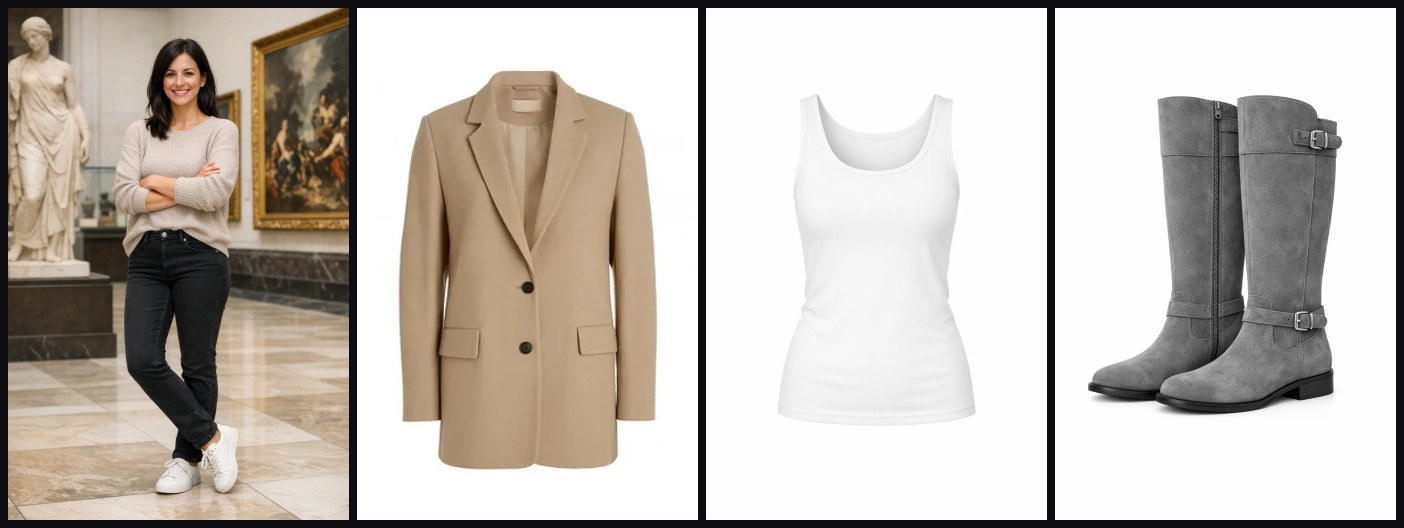
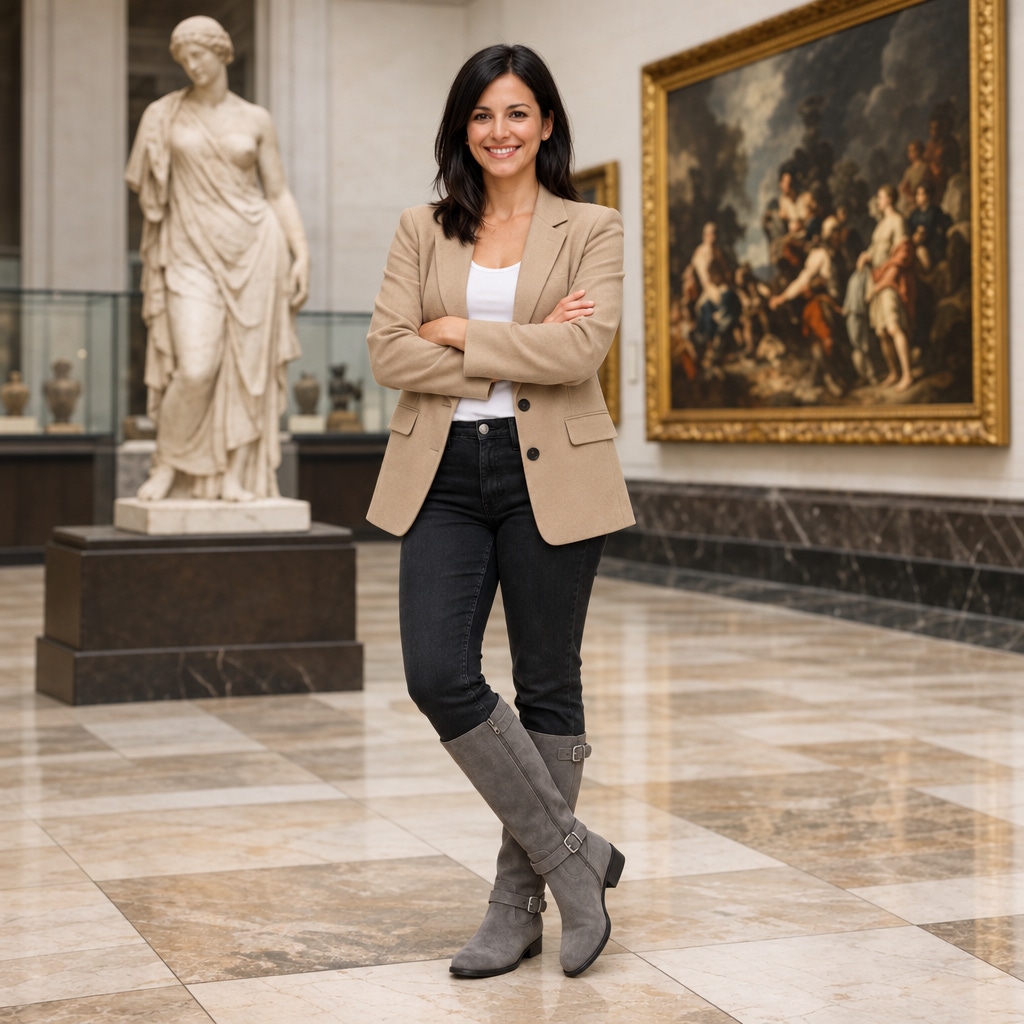
直したい部分を指定すれば、それ以外は動きません。服を替えても顔は動かず、画像内の文字を書き換えても背景はそのまま。多くの人が最初に気づく変化です。
同じ人物や商品が長い編集の連鎖でも同じままで、数回でぶれることがありません。安定のためにプロンプトへ積んでいた構造の制約、参照画像、固定ライティングの指示はほぼ不要になります。
自分で切り抜く単色背景ではなく、本物のアルファです。GPT Image 2 にはできなかったので、透過背景を頼むのが世代を見分ける最も簡単な方法です。
gpt-image-2.5-flare は既定ティアで、2.5 の画質を GPT Image 2 の約半分の遅延で出し、SNS・EC・大量生成向け。gpt-image-2.5-sunburst は時間をかけて最高精度を狙います。
ディテールの質と生成速度がともに GPT Image 2 を上回り、6 種類の標準アスペクト比を近似ではなく正確に保ちます。
Sketch(ラフを描いてモデルに読ませる)、15 種の作成テンプレート、画像上への直接コメントは公開時点で ChatGPT 限定で、API では使えません。組み込む前に確認してください。
GPT Image 2.5 Sunburst は OpenAI の画像生成 API です。GPT Image 2.5 は OpenAI の最新画像モデルで、GPT Image 2 からの進化は「1 枚目の生成」より「編集」にあります。直したい箇所を指定すればそこだけが変わり(服を替えても顔は動かず、文字を書き換えても背景は動かない)、同じ人物や商品を何ラウンド編集しても崩れません。本物のアルファ付き透過 PNG にもネイティブ対応しました。gpt-image-2.5-sunburst は最高精度ティアで、既定は high、1 枚あたりの時間は長め、商用のプレミアムなビジュアル向けです。APIMODELS では解像度 × 画質で課金します(15 区分)。1K $0.01–$0.08、2K $0.020–$0.15 は Flare と同じで、4K だけは Sunburst 独自の高めの料金($0.02–$0.47)です。low が最安で max が最高額のため、必要な精細さの分だけ支払う形です。組織認証は不要、中国本土からも直接呼べます。2K / 4K はアップスケールではない実解像度です。マスクは受け付けません。編集範囲はプロンプトで決めます — 変えたい対象を名指ししてください。 APIMODELS のプラットフォーム経由なら、統一 API と明朗な従量課金でこのモデルを呼び出せます。 現在の料金: 1K-low: $0.01, 1K-medium: $0.02, 1K-high: $0.03, 1K-xhigh: $0.05, 1K-max: $0.08, 2K-low: $0.02, 2K-medium: $0.03, 2K-high: $0.04, 2K-xhigh: $0.08, 2K-max: $0.15, 4K-low: $0.02, 4K-medium: $0.085, 4K-high: $0.16, 4K-xhigh: $0.28, 4K-max: $0.47。
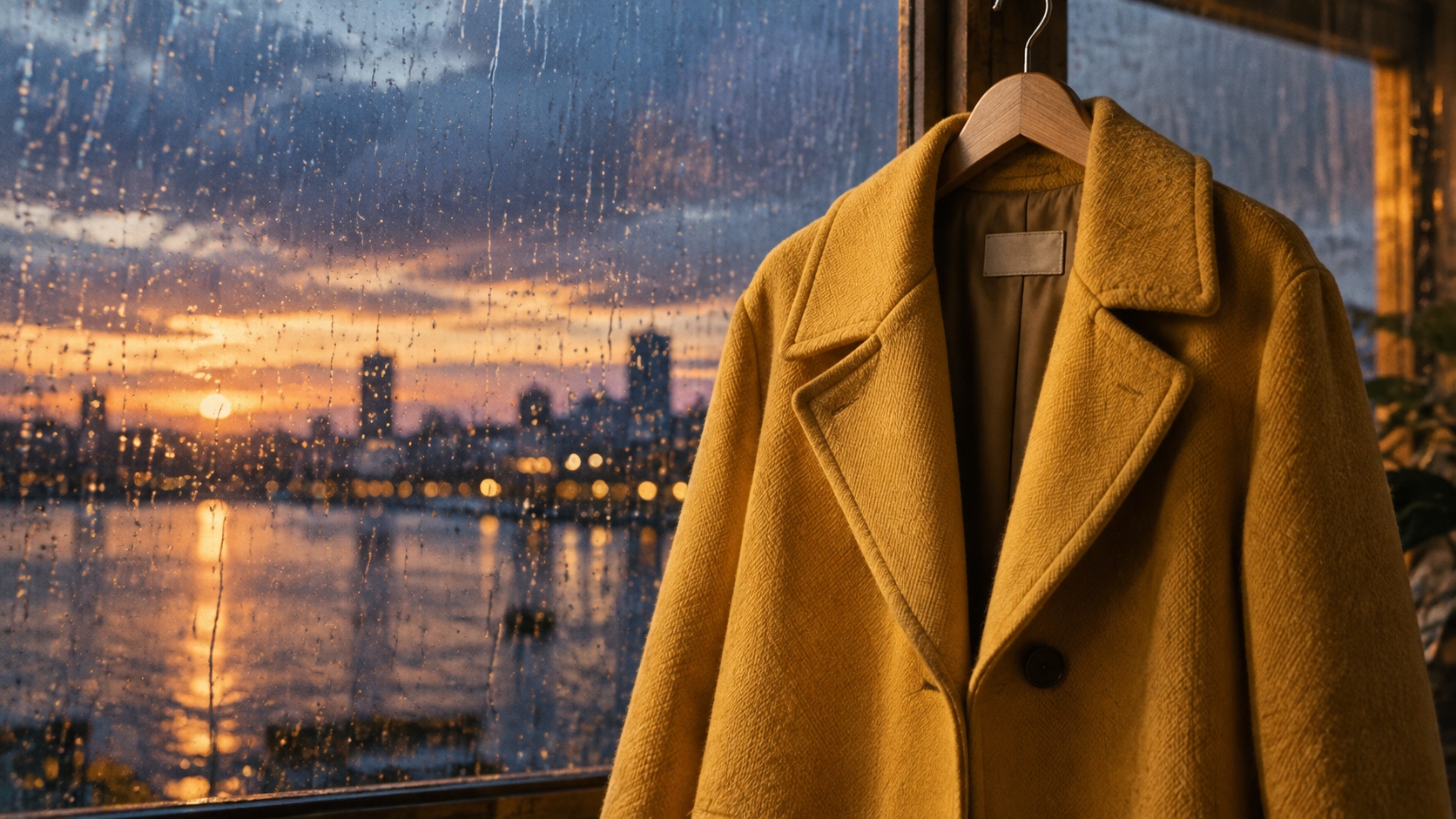
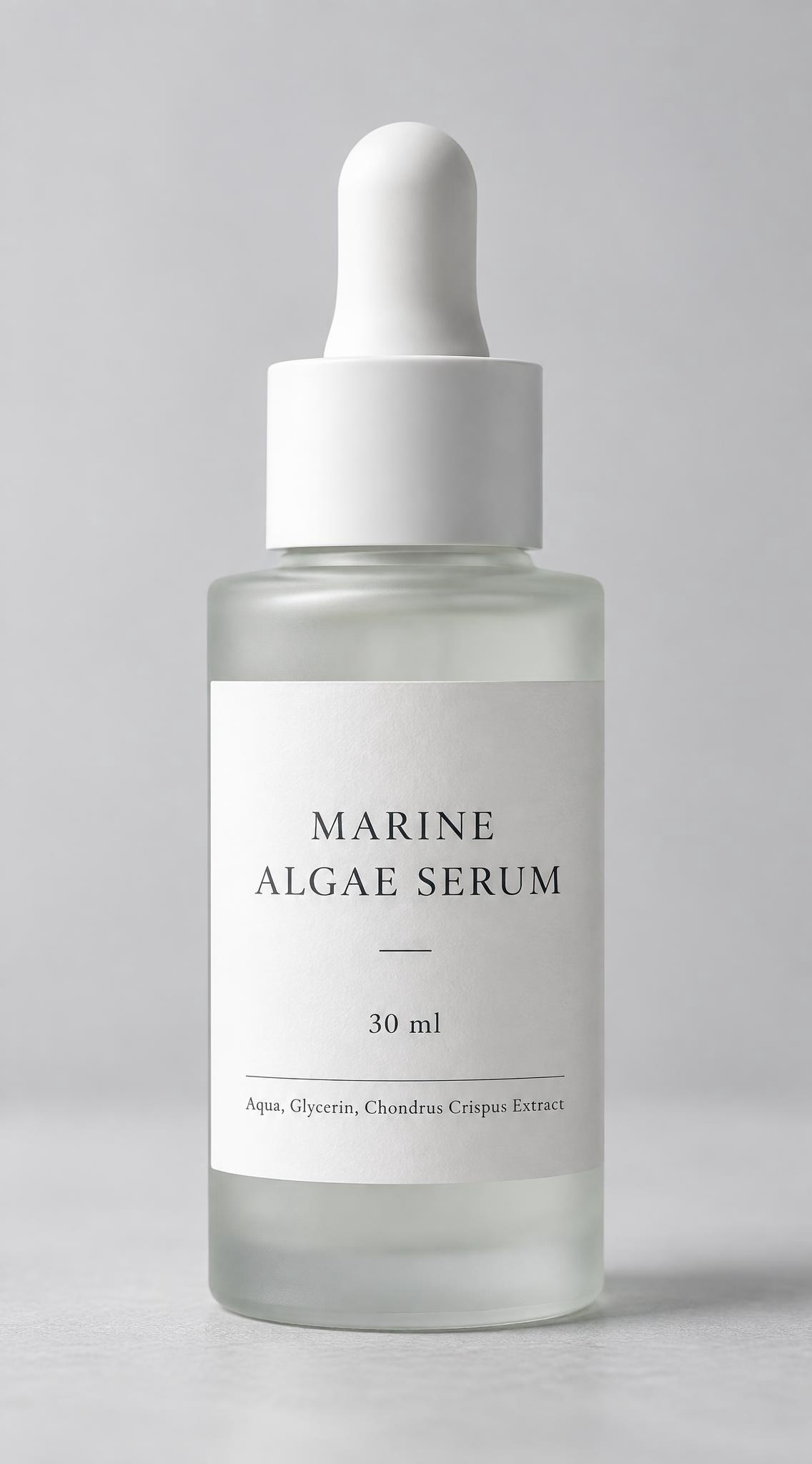
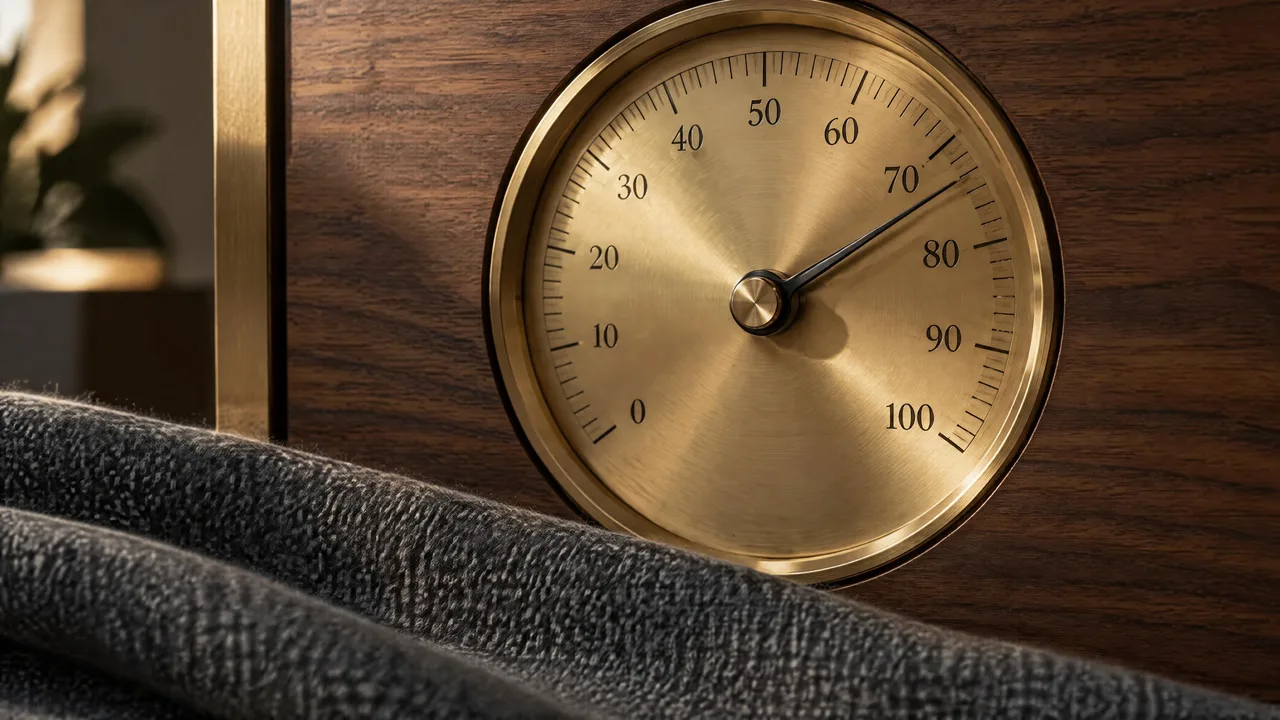
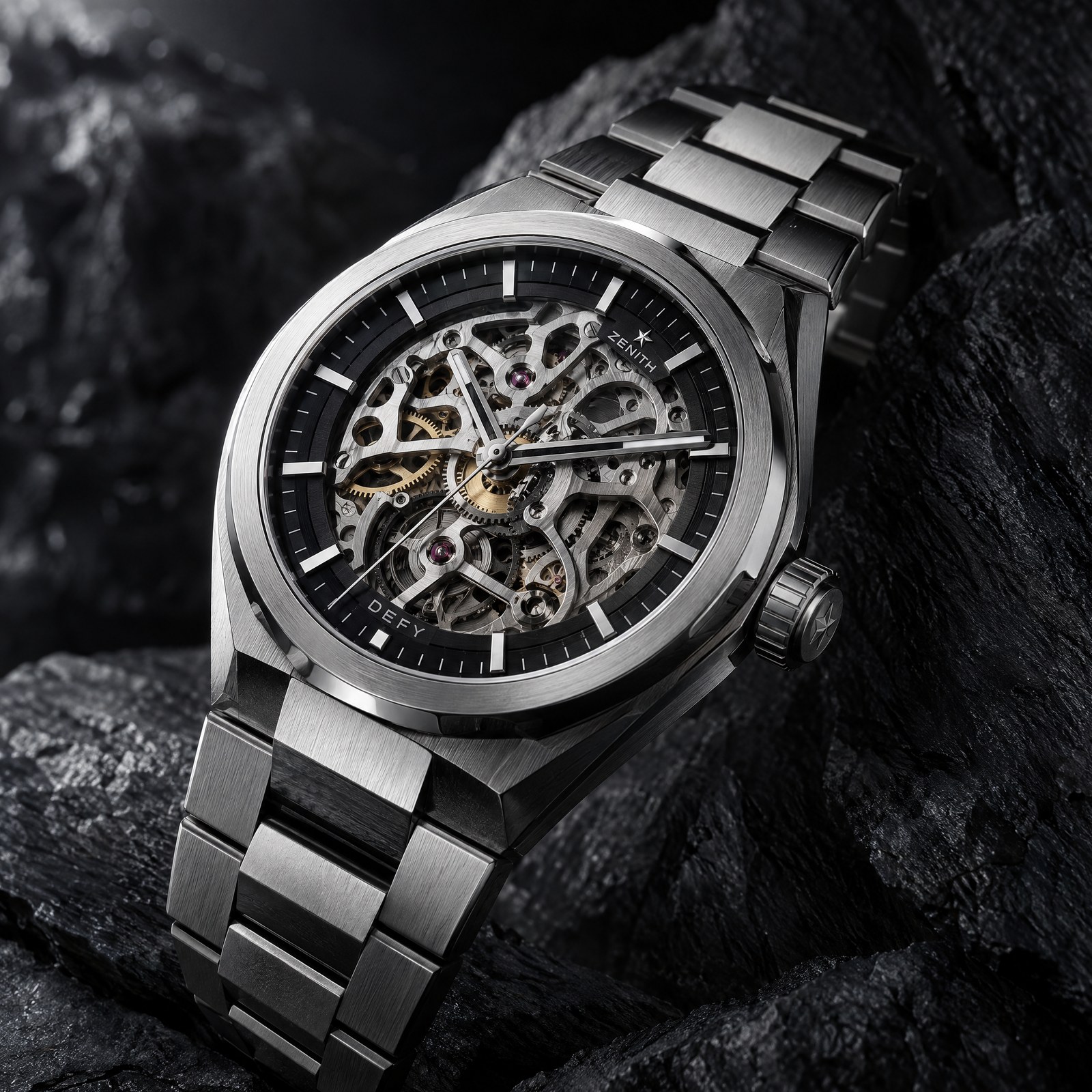
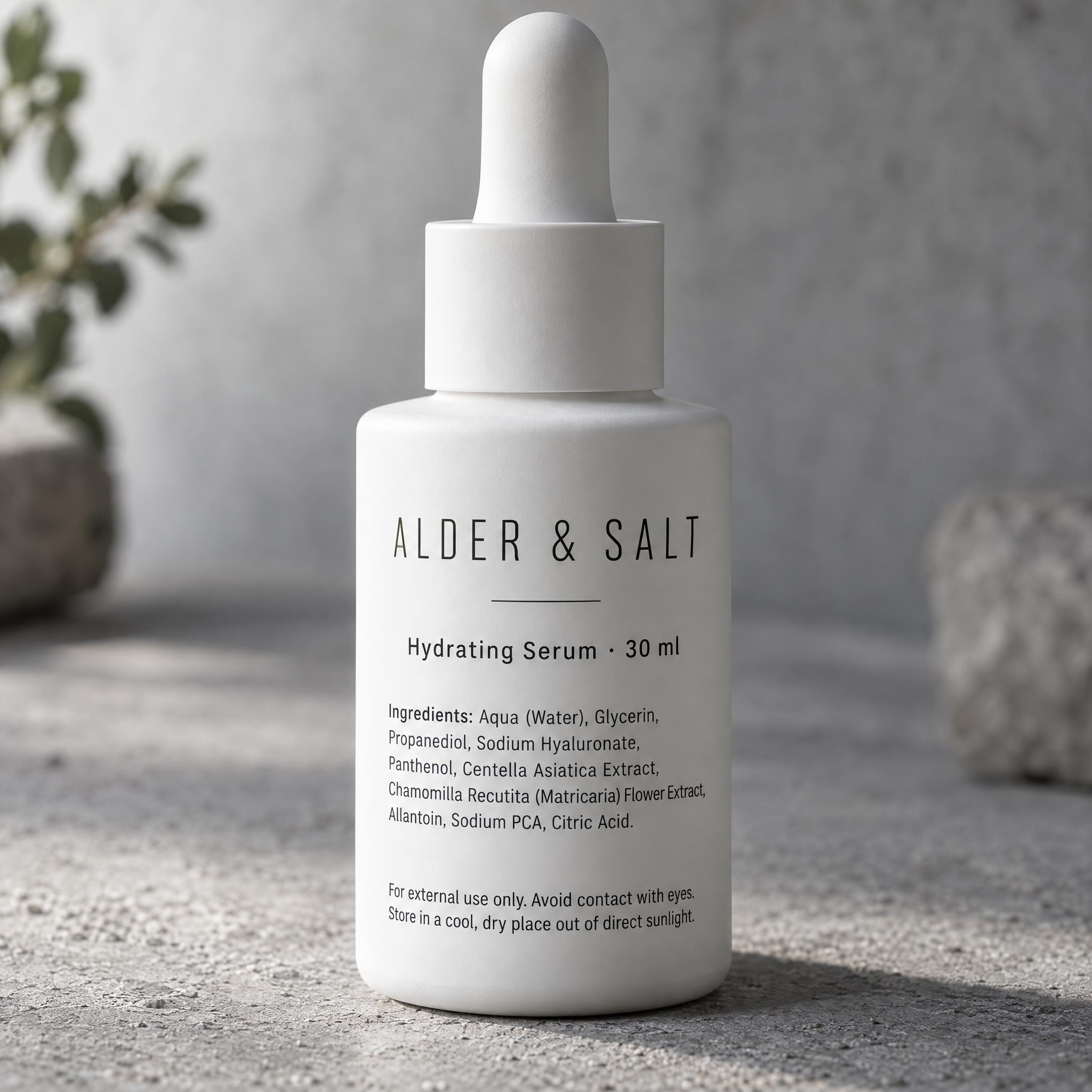
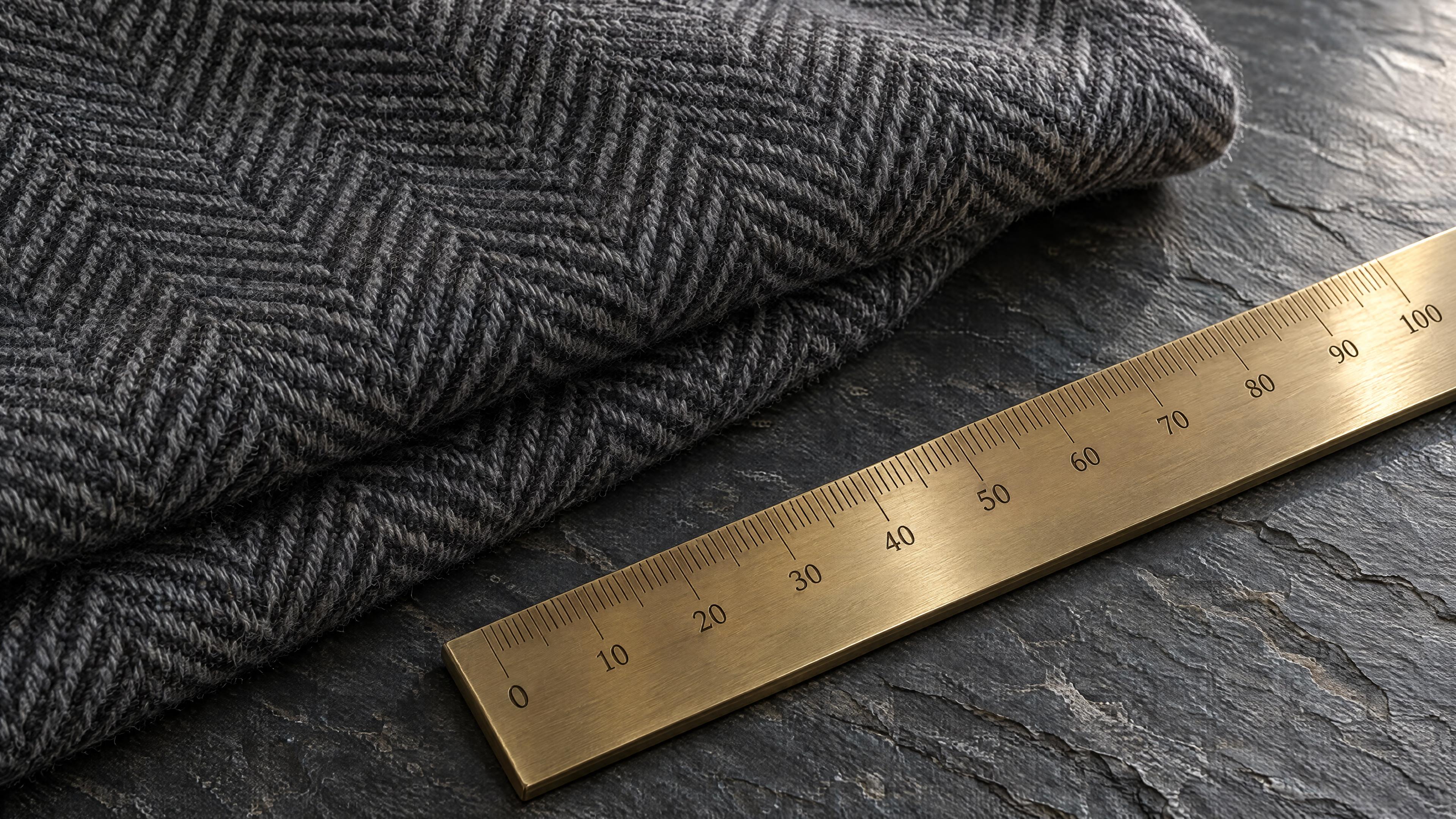
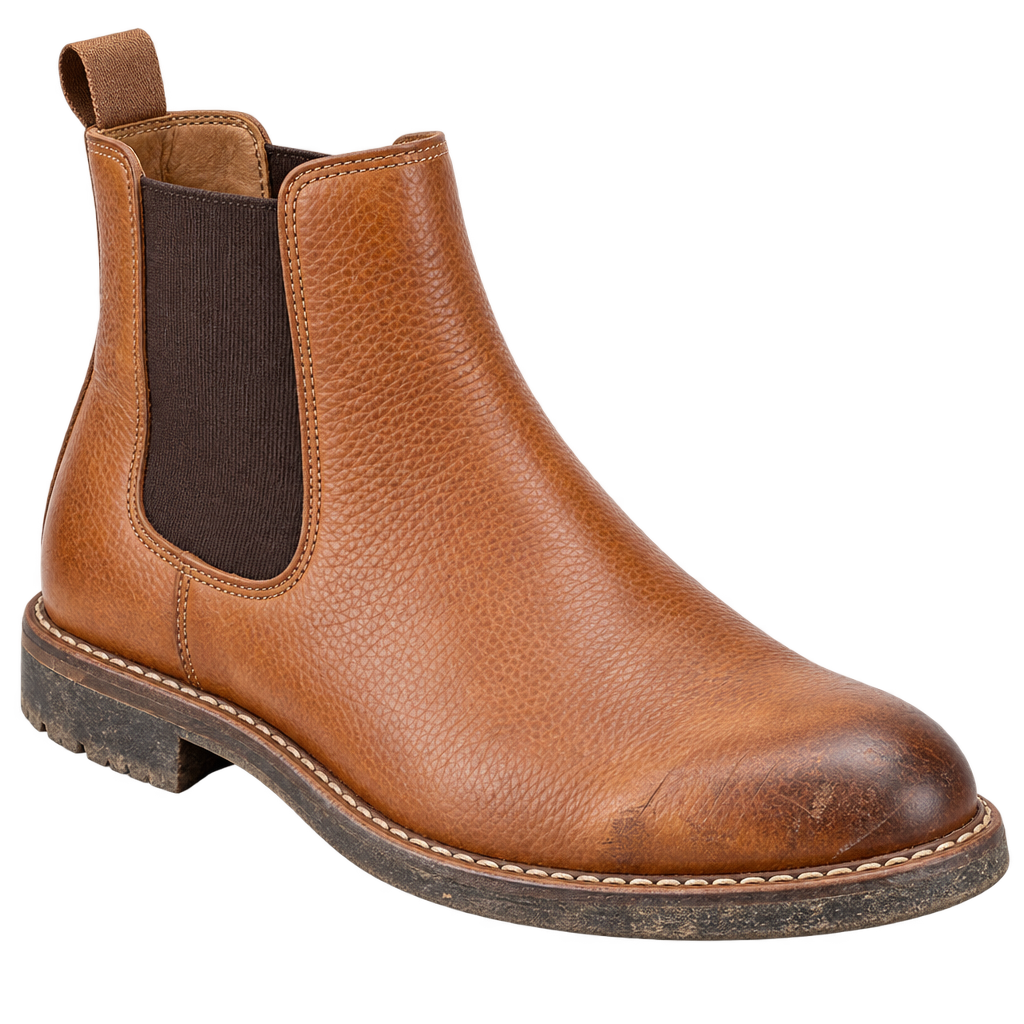
Watch dials, stitching, brushed metal, glass and liquid — the surfaces where Flare rounds detail off and a buyer zooms in anyway. The extra time Sunburst spends goes exactly here.
Ingredient lists, legal small print and dense label typography stay legible at 4K instead of dissolving into texture. That is the difference between a mockup and a file you can hand to a printer.
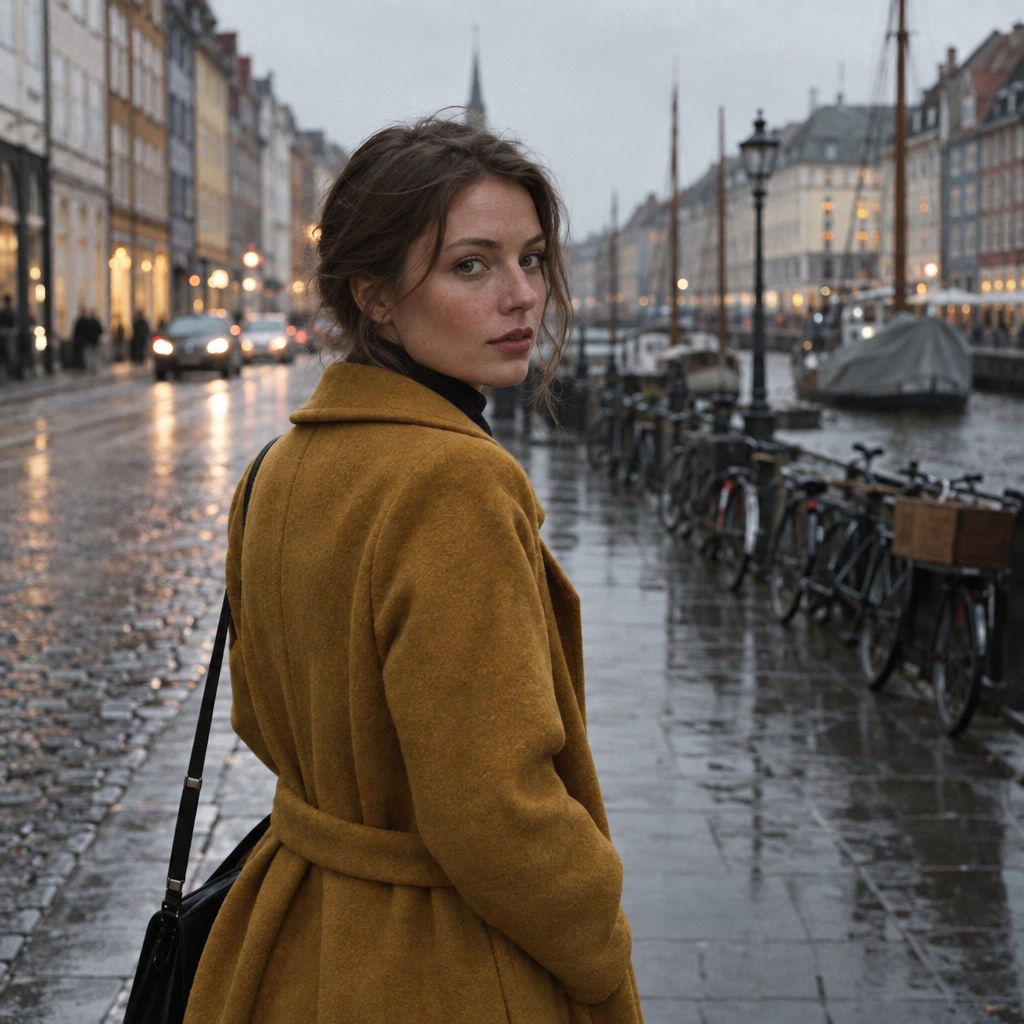
One image, a dozen art-direction notes, and every round changes only what was asked. Over a long chain of edits Sunburst holds the rest of the frame tighter than Flare does.
Skin that keeps pores and stray hairs instead of going waxy, fabric that keeps its weave. When the final crop is a face at full width, this is the tier.
4K-tier output that still holds at arm's length on a poster or a trade-show panel — a native render, not an upscale (4K is delivered at exactly 3840×2160). $0.020 to $0.47 per image at 4K depending on the quality tier.
GPT Image 2.5 Sunburst は APIMODELS 経由で 1K-low: $0.01, 1K-medium: $0.02, 1K-high: $0.03, 1K-xhigh: $0.05, 1K-max: $0.08, 2K-low: $0.02, 2K-medium: $0.03, 2K-high: $0.04, 2K-xhigh: $0.08, 2K-max: $0.15, 4K-low: $0.02, 4K-medium: $0.085, 4K-high: $0.16, 4K-xhigh: $0.28, 4K-max: $0.47 で利用できます。課金は従量制で、生成した分だけの支払いです。
APIMODELS に登録して API キーを取得し、統一エンドポイントを呼ぶだけです。cURL / Python / Node.js のサンプルを含む詳しいドキュメントを用意しています。
APIMODELS は同じ GPT Image 2.5 Sunburst を集約プラットフォーム経由で提供します。統一された API インターフェースなので、プロバイダごとにアカウントを作る必要はありません。キー 1 本ですべてのモデルに届きます。
sunburst は 2.5 の最高精度ティアです。ディテール・質感・プロンプト再現性が高く、quality 未指定なら high で描画します(1K で約 50 秒、2K で約 100 秒)。印刷物や商用ビジュアルなど、拡大して見られる 1 枚に向きます。flare は既定ティアで medium が既定、遅延は GPT Image 2 の約半分です。パラメータは同一で、1K と 2K は料金も同じです。すでに quality:"high" を渡しているなら、この 2 つの解像度で残る違いは上流の精度チューニングだけです。4K では sunburst のほうが flare より高くなります。
解像度 × 画質で課金します(15 区分)。1K $0.01–$0.08、2K $0.020–$0.15、4K $0.02–$0.47。low が最安で max が最高額のため、必要な精細さの分だけ支払う形です。課金の区分は返ってきた画像の長辺で決まり、リクエストのパラメータではありません(size を auto にした場合や省略した場合は実際の出力が基準)。参照画像・透過背景は追加料金なし、失敗したリクエストは課金されません。quality を省略または auto にするとモデルの既定値(flare は medium、sunburst は high)になります。1K と 2K は同じ画質なら両者同額ですが、4K は別で、flare は $0.02–$0.3 にとどまります。
1K と 2K の high なら、はい。OpenAI は 2.5 を出力トークンで課金するため(画像トークン 100 万あたり $30)、画質を上げるほど高くなります。当サイトは同じ 2 軸で課金するので、区分ごとにそのまま比較できます。1K high は $0.03 対 約 $0.053、2K high は $0.04 対 約 $0.107 です。4K の sunburst は独自の料金です。4K を最も低い単価で出すなら flare を使ってください(4K high は $0.08 対 約 $0.100、max は $0.3 対 約 $0.40)。本当の違いは単価ではありません。OpenAI の組織認証が不要で、中国本土から直接つながり、1 本のキーでサイト上の 140 以上のモデルに届き、失敗した生成は課金されません。
透過背景はきちんと効きます。background=transparent と output_format=png で本物のアルファ付き PNG が返り、1K / 2K / 4K のいずれでも確認済みです(商品写真では全ピクセルの 52-67% が透明でした)。マスクのほうは受け付けません。mask フィールドを含むリクエストは 400 を返します。マスクは「ここから先は変えない」という硬い境界として守られなければ意味がありませんが、当社が使える上流はどれも守らず、マスクを受け取って 200 を返したうえで保護領域まで描き替えます。黙って無視するより、はっきり断るほうを選びました。編集範囲はプロンプトで決めます。変更したい対象を名指しし、それ以外は手を加えないと明記してください。
3 つのティアはいずれもネイティブ生成でアップスケールではありません。半分に縮めて戻し、失われた情報量を測るディテール密度テストで確認したところ、2K と 4K の出力はフル解像度での高周波成分を 1K と同じ水準で保っていました。4K 画像から 900×900 を等倍で切り出すと、タイル・石壁・布の質感がいずれも実際のディテールとして残っています。サイズについて:4K はリクエストどおりのサイズで届きます —— 3840×2160 / 2160×3840(8.29MP)。1K の 1:1 は 1024×1024。2K の 1:1 は 2048×2048 で、それ以外の比率は 2720×1536 / 1536×2720 でリクエストし、そのサイズか、同じ比率で長辺 2048px のサイズ(16:9 で約 2048×1152)のどちらかで返ります。後者は OpenAI 公式ドキュメントが「2K」の例として挙げているサイズです。どちらも 2K として課金され、比率は保たれます。
直近 7 日の本番中央値(外部トラフィック、成功した呼び出し、2026-09-19 時点):1K が約 45 秒(p90 は約 65 秒)、2K は flare が約 25 秒・sunburst が約 40 秒、4K は sunburst が約 35 秒・flare が約 50 秒、参照画像を使った編集は 15-50 秒です。いまは 1K のほうが 2K より遅く、これはモデルではなくチャンネルの違いによるものです。同期呼び出しではクライアントのタイムアウトを 180 秒以上に設定するか、taskId のポーリングと Webhook を使う非同期の方式に切り替えてください。
APIMODELS では GPT Image 2.5 Sunburst が 60 以上のモデルと同じ API キー・同じ残高の上に並んでいるので、選択は「相性」の問題であって「囲い込み」の問題ではありません。Text to Image、Precise region edit — mark a spot, only that changes、Multi-turn consistency without prompt scaffolding、Native transparent PNG、Sharper detail, faster generation、1:1 / 3:4 / 4:3 / 9:16 / 16:9 / 21:9、Flare (default, ~2x faster) and Sunburst (highest fidelity) に対応しており、他の画像生成モデルと価格・機能を並べて評価できます。乗り換えはモデル名の文字列を 1 つ書き換えるだけ。新しいアカウントも追加の実装も要りません。画像生成の選択肢と最新価格は apimodels.app/models で確認できます。
GPT Image 2.5 Sunburst は次に対応しています: Text to Image、Precise region edit — mark a spot, only that changes、Multi-turn consistency without prompt scaffolding、Native transparent PNG、Sharper detail, faster generation、1:1 / 3:4 / 4:3 / 9:16 / 16:9 / 21:9、Flare (default, ~2x faster) and Sunburst (highest fidelity)。パラメータの全一覧と呼び出し例は APIMODELS のドキュメントをご覧ください。
はい。APIMODELS は GPT Image 2.5 Sunburst を単一の統一 API とキー 1 本で提供します。プロバイダごとのアカウントも、各社の地域ごとのネットワーク経路を自分で面倒みる必要もありません。
Stripe(Visa、Mastercard などの国際カード)と Alipay に対応しています。支払い後、残高はすぐ反映されます。
Prompts shared by their authors — copy and adapt them. Each one credits its author and links back to the original post.
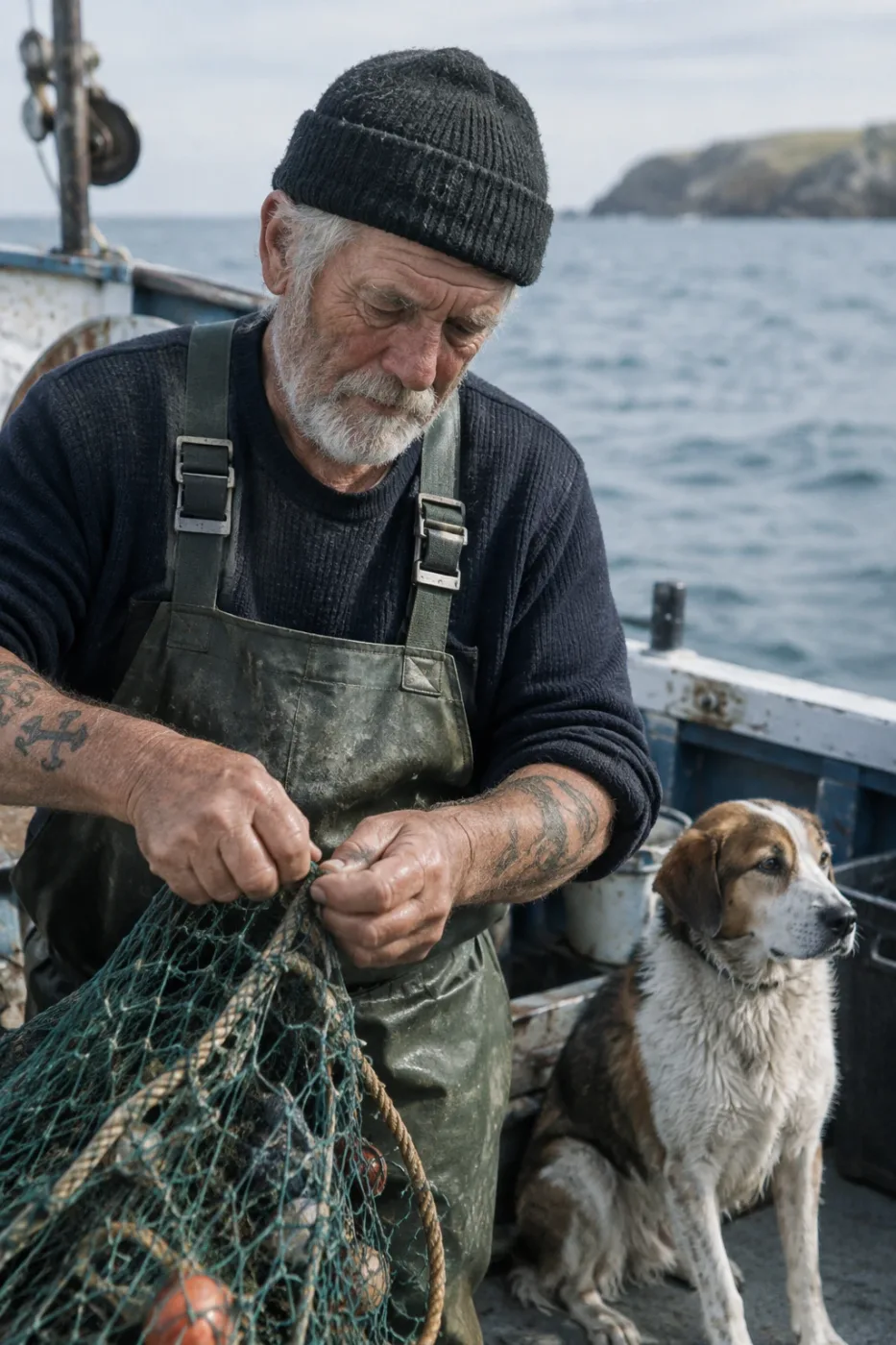
Weathered sailor on a fishing boat
Create a photorealistic candid photograph of an elderly sailor standing on a small fishing boat. He has weathered skin with visible wrinkles, pores, and sun texture, and a few faded traditional sailor tattoos on his arms. He is calmly adjusting a net while his dog sits nearby on the deck. Shot like a 35mm film photograph, medium close-up at eye level, using a 50mm lens. Soft coastal daylight, shallow depth of field, subtle film grain, natural color balance. The image should feel honest and unposed, with real skin texture, worn materials, and everyday detail. No glamorization, no heavy retouching.
by OpenAI
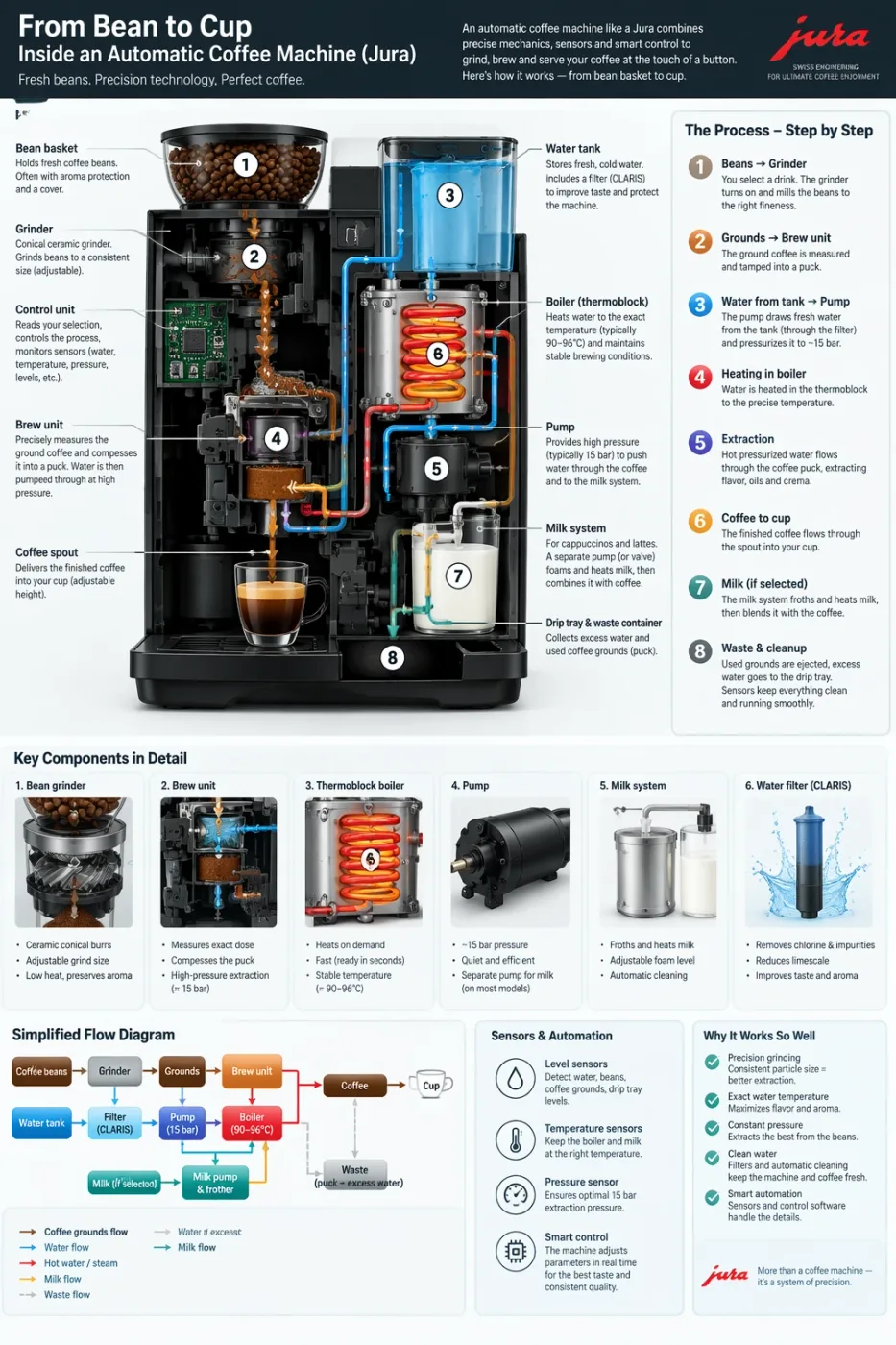
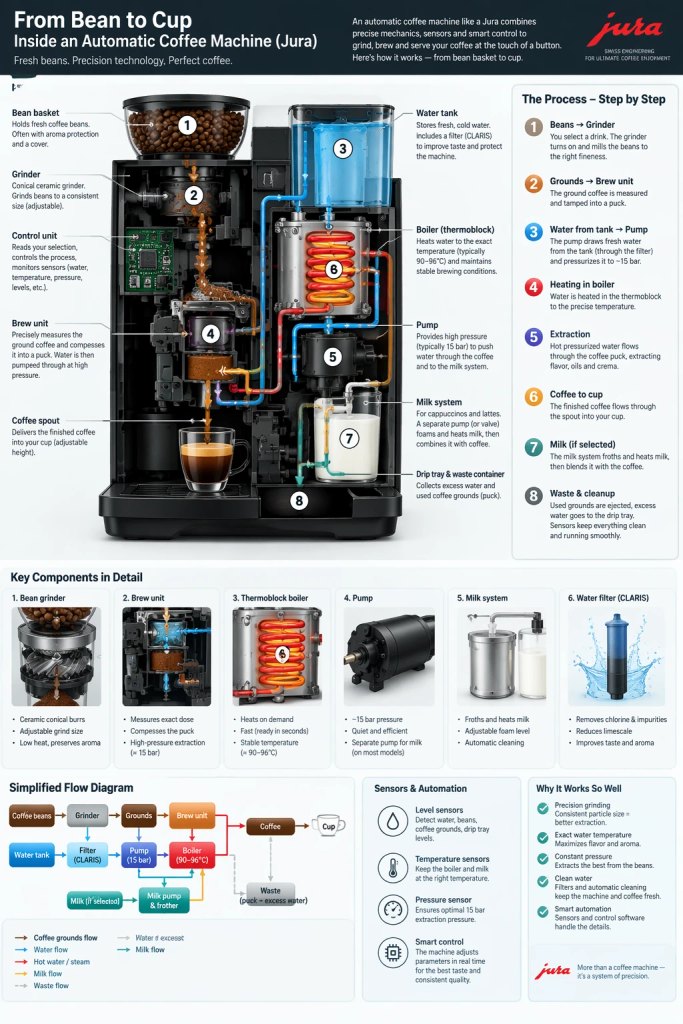
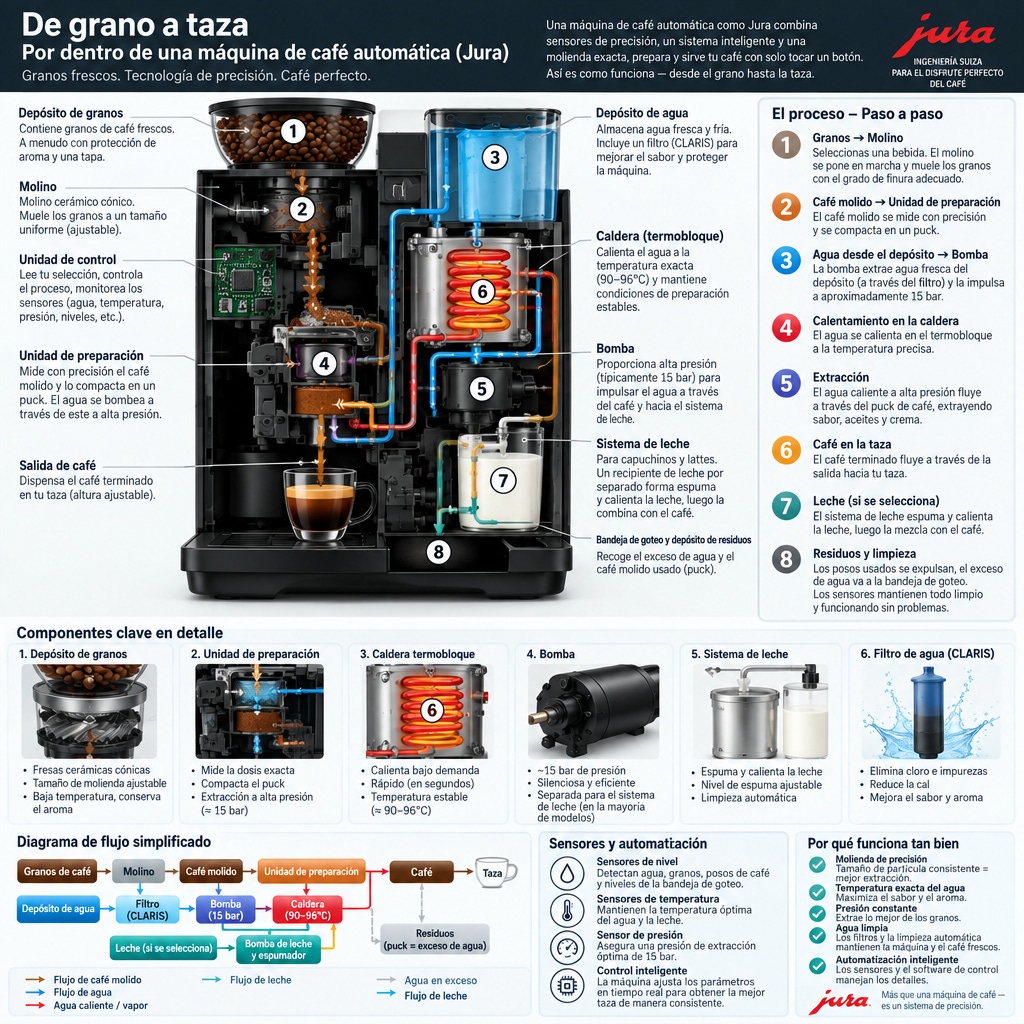
Automatic coffee machine workflow infographic
Create a detailed Infographic of the functioning and flow of an automatic coffee machine like a Jura. From bean basket, to grinding, to scale, water tank, boiler, etc. I'd like to understand technically and visually the flow.
by OpenAI
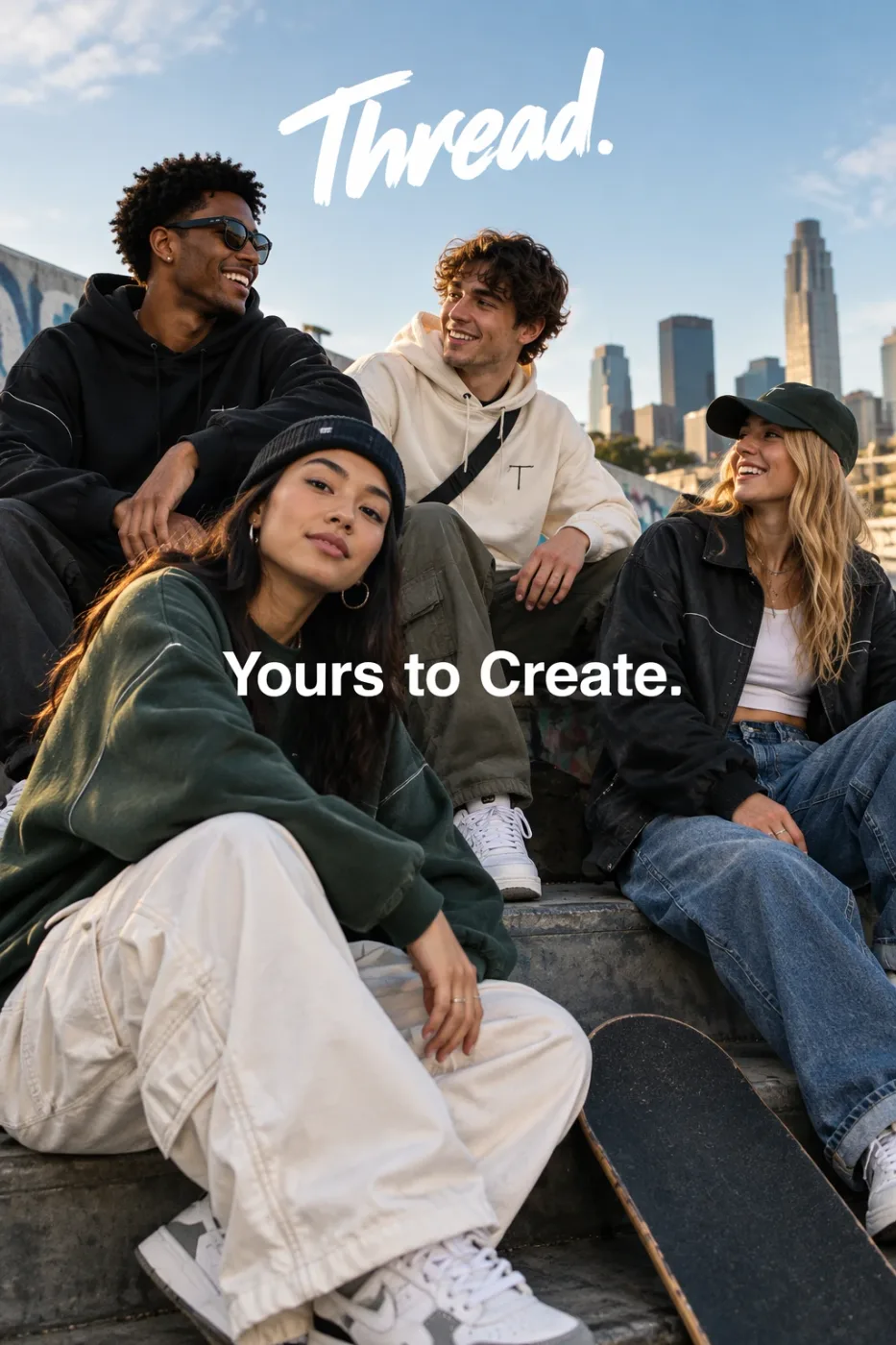
Thread streetwear ad with exact typography
Give me a cool in culture ad / fashion shot for a brand called Thread. It's a hip young street brand. The ad shows a group of friends hanging out together with the tagline "Yours to Create." Make it feel like a polished campaign image for a youth streetwear audience: stylish, contemporary, energetic, and tasteful. Use clean composition, strong color direction, natural poses, and premium fashion photography cues. Render the tagline exactly once, clearly and legibly, integrated into the ad layout. No extra text, no watermarks, no unrelated logos.
by OpenAI
We curate copy-ready prompt libraries — every entry shows its full text and a sample result, ready to adapt.
How to get access, regional availability, and how this model compares with its alternatives.
