
gpt-image-2API GPT Image 2 от OpenAI: генерация по тексту и редактирование с использованием до 16 референсных изображений в одном запросе, нативный вывод в 1K / 2K / 4K по цене $0.025 / $0.03 / $0.05 за изображение, качество Medium или High. Один API-ключ, заметно дешевле прямого доступа, без верификации организации в OpenAI и с доступом откуда угодно, включая материковый Китай. Неудачные задачи не тарифицируются, а готовые файлы отдаются по прямой ссылке.
Auto follows your reference image when editing. With text-to-image there is nothing to follow, so it renders square (1:1) — pick a ratio here if you want a shape. Widest available is 21:9; asking for a ratio in the prompt has no effect.
Generated image will appear here
Enter a prompt and click Generate
За последние 30 дней здесь отклонено 0.93% запросов на стороне вышестоящей системы безопасности — против 8.0% на gpt-image-2-all. Модель под капотом та же, отличается только строгость проверки. Если там промпт раз за разом отклоняют, попробуйте этот канал. За отклонённые запросы деньги не списываются
GPT Image 2 доступен по одному API-ключу: ни верификации организации или личности в OpenAI, ни листа ожидания, работает из любой страны, включая материковый Китай
Новейшая модель изображений от OpenAI, следование промпту — одно из лучших в классе
До 16 референсных изображений в одном запросе
1:1, 2:3, 3:2, 4:5, 5:4, 4:3, 3:4, 16:9, 9:16, 21:9 (5:4 и 4:5 — только в 1K)
$0.025 / $0.03 / $0.05 для 1K / 2K / 4K (качество medium); доступны также ступени low и high
Автоматическое переключение между несколькими вышестоящими каналами ради стабильности
Результат забирается опросом эндпоинта задачи — обычно 40-90 с
GPT Image 2 — это API категории «генерация изображений» от OpenAI. API GPT Image 2 от OpenAI: генерация по тексту и редактирование с использованием до 16 референсных изображений в одном запросе, нативный вывод в 1K / 2K / 4K по цене $0.025 / $0.03 / $0.05 за изображение, качество Medium или High. Один API-ключ, заметно дешевле прямого доступа, без верификации организации в OpenAI и с доступом откуда угодно, включая материковый Китай. Неудачные задачи не тарифицируются, а готовые файлы отдаются по прямой ссылке. Через платформу APIMODELS доступ к этой модели идёт по единому API с прозрачной оплатой по факту использования. Текущая цена: 1K: $0.025, 2K: $0.03, 4K: $0.05.
Похожая модель: gpt-image-2-all — same model, but you pick the quality tier — low / medium / high × 1K/2K/4K, and OpenAI-SDK compatible (images.generate / images.edit) so Codex and Cursor can call it directly
Постеры, рекламные креативы, обложки и упаковка, где слова — часть самой картинки. Это самый надёжный рендер текста внутри изображения из всего, что у нас есть: заголовки выходят набранными, а не размазанными.
До 16 референсных изображений удерживают персонажа, товар или стиль на протяжении всей партии — вместо того чтобы перезапускать генерацию, пока два кадра случайно не совпадут.
Поменять фон, перекрасить, заменить элемент — остальная часть кадра остаётся на месте. Редактирование здесь полноценный режим, а не трюк с промптом.
1K, 2K и 4K модель выдаёт именно в этом разрешении, без последующего апскейла, поэтому мелкие детали и мелкий шрифт доживают до результата — 4K стоит $0.05.
Цена зависит только от разрешения ($0.025 / $0.03 / $0.05), качество на неё не влияет. Умножьте число изображений на тариф — и вы знаете точную сумму ещё до первого вызова.
GPT Image 2 доступна через APIMODELS по цене: 1K: $0.025, 2K: $0.03, 4K: $0.05. Оплата идёт по факту использования — вы платите только за то, что сгенерировали.
Зарегистрируйтесь на APIMODELS, получите API-ключ и обращайтесь к нашему единому эндпоинту. Есть подробная документация с примерами на cURL, Python и Node.js.
APIMODELS отдаёт ту же самую модель GPT Image 2 через свою агрегирующую платформу. Мы предоставляем единый интерфейс API, поэтому отдельные аккаунты у каждого поставщика не нужны — один ключ открывает доступ ко всем моделям.
Модель изображений нового поколения от OpenAI: более чёткая типографика внутри картинки, более предсказуемое редактирование на уровне пикселей, больше знаний о мире, быстрая генерация и высокая точность следования промпту.
Нет — он всегда работает на уровне medium, и поле quality ни на что не влияет. Это сделано намеренно: одно имя модели, один параметр разрешения, на одно решение меньше, и цена зависит только от разрешения ($0.025 / $0.03 / $0.05 за 1K / 2K / 4K). Если уровень качества нужно выбирать самому, используйте gpt-image-2-all — та же модель под капотом, но с открытой полной матрицей разрешение × качество (1K/2K/4K × low/medium/high, плюс auto). Low в 1K стоит $0.01, а уровень high доступен, когда нужна максимальная детализация. Это ещё и синхронный канал, совместимый с OpenAI SDK, поэтому Codex и Cursor могут вызывать его, поменяв только base_url. Ссылка на него есть в блоке «Связанные модели» внизу этой страницы.
Да. Зарегистрируйтесь на apimodels.app, получите API-ключ и сразу вызывайте gpt-image-2: от $0.025 за изображение, по уровням 1K/2K/4K это $0.025/$0.03/$0.05, до 16 референсных изображений на запрос.
И то, и другое — через один эндпоинт, который сам выбирает режим по наличию референсного изображения. Соотношение сторон задаёт композицию результата, а в одном запросе можно объединить до 16 референсов.
Редактирование карточек товаров для e-commerce, пакетную генерацию маркетинговых визуалов, SaaS для генерации и редактирования изображений, продакшен-слой для дизайн-систем, локализованные визуалы на нескольких языках, иллюстрации для обучения — словом, любой процесс, где картинки нужны потоком.
Да. Отрисовка многоязычного текста — один из ключевых приоритетов модели, и вместе с более точным следованием инструкциям в промптах с несколькими объектами и слоями это заметно улучшает и сложные композиции, и текст внутри изображения.
Да. gpt-image-2 принимает до 16 референсных изображений на запрос, что подходит для лукбуков, виртуальной примерки на модели, сборки упаковки и других сценариев с несколькими референсами.
Один ключ на все модели, полная документация с примерами на cURL, Python и Node.js, неудачные задачи не тарифицируются, результаты хранятся в нашем R2, плюс автоматическое переключение между несколькими upstream-каналами для надёжности.
На apimodels.app у gpt-image-2 потарифная цена: $0.025 / $0.03 / $0.05 за изображение в 1K / 2K / 4K, без минимального расхода и без месячной абонплаты, а неудачные задачи не тарифицируются. Это один из самых дешёвых способов пользоваться API GPT Image 2.
Отправьте POST на https://api.apimodels.app/v1/images/generations с заголовком Authorization: Bearer <ваш ключ>. В теле JSON укажите model как "gpt-image-2" и prompt; для редактирования добавьте image_url (одно изображение) или image_urls (до 16). Готовые примеры на cURL, Python и Node.js есть в документации.
Это та же самая модель gpt-image-2 от OpenAI, поэтому качество идентично. Разница в доступе: через apimodels.app вы работаете одним API-ключом от $0.025 за изображение (цена по уровням), без верификации организации в OpenAI и с доступом из материкового Китая и откуда угодно ещё.
Да. Зарегистрируйтесь на apimodels.app и получите ключ — аккаунт OpenAI и верификация организации не нужны, а эндпоинт доступен как из материкового Китая, так и из любой другой страны. Сгенерированные изображения хранятся в нашем R2 и отдаются по прямой ссылке.
gpt-image-2 принимает до 16 референсных изображений на запрос для объединения и многокартиночного редактирования, генерирует в 1K, 2K и 4K с качеством Medium или High, а кадрирование задаётся соотношением сторон (1:1, 2:3, 3:2, 4:5, 16:9, 9:16 и другие).
За последние 30 дней внешнего продакшен-трафика — 24 208 вызовов — **инфраструктурный процент успеха составляет 98.9%**. Сюда попадают только те сбои, которые чинить нам: 119 таймаутов, 66 отказов из-за перегрузки upstream и 15 случаев, когда upstream не вернул изображение, — 200 в сумме. Отказы по контент-политике OpenAI и некорректные параметры не учитываются: и то, и другое снимается правкой промпта или параметров, и ни за то, ни за другое деньги не берутся. Проще говоря: если ваш промпт проходит контент-политику OpenAI, картинка дойдёт. Стоит сказать прямо: **почти никто в этой отрасли вообще не публикует процент успеха.** На других страницах API вас ждут «стабильно» и «высокая доступность» — прилагательные, которые невозможно проверить. Мы выкладываем реальные 30-дневные цифры вместе с методикой подсчёта, и тот же вопрос вы можете задать любому провайдеру.
По замерам в продакшене за 30 дней: медиана 60 секунд, p95 — 157 секунд. То есть половина запросов возвращается за минуту, а 95% — за две с половиной. Синхронный режим (передаёте `size` и не передаёте `callback_url`) держит соединение до готовности картинки; если держать долгое соединение не хочется, используйте задачный режим с опросом по task_id или с `callback_url`. Таймаут на клиенте ставьте больше 180 секунд.
Сбои не тарифицируются никогда — ни таймауты, ни перегрузка upstream, ни отказы по контент-политике не стоят ничего, вы платите только за реально доставленные изображения. gpt-image-2 и gpt-image-2-all идут через разные upstream-адаптеры, поэтому проблема на одном не роняет другой, а повторить попытку можно, просто сменив имя модели. Средства резервируются заранее и автоматически освобождаются, когда задача падает.
Ни подписки, ни абонплаты, ни минимального расхода — вы платите за изображение. Минимальное пополнение — $10, и один API-ключ открывает все модели платформы (изображения, видео, аудио и языковые модели делят общий долларовый баланс), так что заводить аккаунт у каждого вендора моделей не нужно. Новым аккаунтам на обычных почтовых доменах начисляется $0.10 бесплатно — это четыре изображения 1K в качестве по умолчанию, то есть качество можно посмотреть до первой оплаты. Аккаунт OpenAI и верификация организации не нужны, а эндпоинт доступен из материкового Китая.
Stripe (карта), PayPal и Alipay. **При оплате через Stripe на странице оплаты можно указать налоговый номер компании (EU VAT и аналоги): после платежа автоматически формируется официальный PDF-счёт с налоговыми реквизитами обеих сторон и приходит вам на почту**, а сам номер сохраняется и подставляется во все последующие счета. PayPal налоговые номера не собирает, поэтому там счета выставляются вручную — напишите на support@apimodels.app название компании, адрес и налоговый номер. Продавец — юридическое лицо в Великобритании, поэтому продажи компаниям из ЕС идут по reverse charge.
Аккаунт работает на предоплаченном балансе: когда он заканчивается, вызовы возвращают 402, а не продолжают начислять оплату, — потолок жёсткий, перерасход невозможен. Дополнительно есть webhook на низкий баланс (ваш сервис получает уведомление при падении ниже порога) и автопополнение (со счётчиком неудач и блокировкой, чтобы повторы не ушли вразнос). Фактическое списание, входные параметры и результат каждого вызова расписаны в консоли по пунктам, так что сводить что-то в конце месяца не придётся.
Реальных дверей три: официальный API OpenAI (и Azure OpenAI по тому же прайсу), независимые шлюзы вроде APIMODELS и универсальные агрегаторы. Смотреть стоит не на цену в заголовке, а на четыре вещи: (1) **реальный процент успеха и способ его подсчёта** — уточните, входят ли в знаменатель отказы по контент-политике, потому что эти два определения несопоставимы; (2) тарифицируются ли сбои; (3) предсказуема ли цена — официальный API считает изображения как выходные токены, поэтому стоимость картинки не число, а диапазон; (4) получится ли подключиться вообще, ведь OpenAI закрывает свои image-модели верификацией организации. Наши собственные цифры, включая невыгодные нам, есть на этой странице; те же четыре вопроса задайте любому провайдеру.
На этой модели — да, потому что низкая цена не получена урезанием чего-либо. Картинки выдаёт настоящий image-пайплайн OpenAI, мы просто берём фиксированную цену за изображение ($0.025 / $0.03 / $0.05 за 1K / 2K / 4K) там, где официальный API считает выходные токены и выходит примерно $0.053 за 1024x1024 в качестве по умолчанию. Инфраструктурный процент успеха — 98.9%, сбои не тарифицируются. Настоящий компромисс лежит в другом месте: идите в официальный API, если пайплайну нужна гарантия точного размера в пикселях или нужны документы вроде DPA и цепочек SOC 2, которые даёт только прямой договор.
Отклонение приходит от контент-политики OpenAI, а не от нас, и на практике это частая история: 6 007 из 24 208 вызовов за последние 30 дней упёрлись в неё — **примерно каждый четвёртый запрос**. Обычные триггеры: реальные люди по имени или внешности, бренды и защищённые авторским правом персонажи, насилие и контент для взрослых, а также макеты, которые читаются как поддельные документы. Лечится это обычно так: имя человека заменить описанием внешности, название бренда — категорией товара, а слова вроде «паспорт», «удостоверение» или «права» убрать. Отклонённые запросы не тарифицируются.
Деньги не спишут. В журнале вызовов это записывается как ошибка CONTENT_MODERATION, а зарезервированные средства освобождаются автоматически. В «инфраструктурный процент успеха» такие отказы мы тоже не включаем: те 98.9% считают только таймауты, перегрузку upstream и ответы без изображения — сбои, которые другим промптом не исправить.
По нашим условиям права на то, что вы отправляете, и на то, что генерируете, остаются за вами, коммерческое использование разрешено. Две оговорки, о которых стоит знать: конечное использование всё равно подчиняется контент-политике OpenAI (отсюда вопрос про отклонения выше), и юрисдикции расходятся в том, возникает ли на ИИ-изображения авторское право вообще — прежде чем строить на них бренд-ассеты или заявлять исключительные права, посоветуйтесь со своим юристом.
Файлы результатов лежат в нашем объектном хранилище **7 дней**, затем удаляются, так что нужное скачивайте или перекладывайте к себе. Промпты и записи вызовов остаются в консоли надолго, параметры всегда можно посмотреть. Одно уточнение: presigned-ссылка на загрузку живёт 10 минут — она нужна для отправки исходников и к семидневному хранению результатов отношения не имеет.
В APIMODELS GPT Image 2 соседствует более чем с 60 моделями под одним API-ключом и общим балансом, поэтому выбор — это вопрос соответствия задаче, а не привязки к поставщику. Модель поддерживает Text to Image, Image Editing, Multi-Image, 1K/2K/4K, Async; вы можете сравнить её по цене и возможностям с другими моделями категории «генерация изображений» и переключиться, изменив одну строку с именем модели — без нового аккаунта и без переписывания интеграции. Все варианты категории «генерация изображений» с актуальными ценами — на apimodels.app/models.
GPT Image 2 поддерживает: Text to Image, Image Editing, Multi-Image, 1K/2K/4K, Async. Полный список параметров и примеры вызовов — в документации APIMODELS.
Да. APIMODELS отдаёт GPT Image 2 через единый API и один ключ — отдельные аккаунты у каждого поставщика не нужны, и вам не приходится самостоятельно решать вопросы регионального сетевого доступа к каждому из них.
Принимаем Stripe (Visa, Mastercard и другие международные карты) и Alipay. Баланс становится доступен сразу после оплаты.
Замена текста — самое частое, ради чего обращаются к этой модели, и одновременно самое сложное для промпта: новая надпись должна лечь тем же шрифтом, того же кегля и на тот же фон. Если собирать это самому не хочется, EditTextImage — наш собственный интерфейс для этой задачи: он работает на этой же модели и просит только картинку, текущую надпись и новую. Там есть разбор, как редактировать текст на скриншоте, и отдельный — как сохранить тот же шрифт, что в оригинале; именно на втором и спотыкается большинство промптов, написанных вручную.
APIMODELS упрощает доступ к GPT Image 2 API — для генерации и редактирования изображений, визуалов с большим количеством текста и коммерческих задач, где важно качество.
GPT Image-2 API превращает текстовые описания в готовые визуалы: рекламные креативы, концепты продуктов, картинки для соцсетей, баннеры, иллюстрации и фирменные материалы. Работа через промпт даёт разработчикам гибкий способ строить свои сервисы генерации изображений — быстро перебирать идеи и доводить результат до чистового.
GPT-Image-2 API работает и от готовых изображений: смена стиля, замена фона, перекраска товара, доработка объекта, чистка композиции — управляемые правки, которые сохраняют важные части исходника. Для продуктов вида AI Image Editor это означает более аккуратные преобразования и больше контроля над картинкой.
Длинные фразы, подписи из нескольких слов, аккуратная пунктуация и единый регистр — то, что нужно для макетов витрин, постеров, концептов интерфейсов, инфографики, упаковки и фирменных материалов. Типографика перестала быть самым слабым местом сгенерированной картинки.
Поменять одну часть изображения, не разрушив остальное: перекрасить товар, заменить объект, обновить фон, доработать фрагмент сцены. Исходный свет, тени, фактуры и окружающий стиль остаются согласованными — чище, чем полная перегенерация кадра.
Лучше подходит там, где важна визуальная правдоподобность: карты, анатомические схемы, исторические реконструкции, архитектурные сцены, учебные иллюстрации. Сложные сцены и связи между объектами интерпретируются точнее, поэтому результат выглядит убедительнее.
Качественный результат при темпе генерации около 3 секунд (сквозное время асинхронной задачи 10–40 секунд). Модель лучше держит инструкции в промптах с несколькими объектами, детализированных сценах и там, где нужен жёсткий контроль композиции — это практично при потоковой работе.
Локализованная реклама, международная упаковка, макеты интерфейсов, учебная графика, материалы кампаний — текст внутри картинки является частью дизайна, а не заглушкой. Языковая корректность и аккуратность оформления приходят вместе.
Создайте аккаунт APIMODELS или войдите в существующий и сгенерируйте API-ключ в консоли. Этот ключ аутентифицирует все запросы и связывает GPT Image 2 API с вашим приложением или внутренним процессом.
Оцените модель в песочнице до интеграции: проверьте, как она реагирует на промпты, сравните генерацию из текста и правку изображения, посмотрите на качество результата и убедитесь, что она подходит, ещё до того как писать код.
Подключитесь из своего сервиса аутентифицированными запросами. Задайте параметры запроса, определите обработку промптов, проверяйте входные изображения и разбирайте ответ — чтобы модель работала в приложении предсказуемо.
Обрабатывайте готовые файлы, складывайте их у себя, управляйте возвращёнными ссылками или объектным хранилищем и определите, как результат доходит до пользователя и смежных сервисов. Аккуратный конвейер превращает API в полноценный продакшн-компонент.
Подготовьте стабильную эксплуатацию: расчёт конкурентности, повторные попытки, таймауты, реакция на модерацию, логирование, контроль расходов и правила под ваш продукт. С этим API уверенно держит продукты вида AI Image Generator и AI Image Editor.
Для команд, которым нужен постоянный поток готовых кампанийных визуалов по всем каналам: рекламные картинки, креативы для платных соцсетей, промо-баннеры, графика к запускам, сезонные материалы. Путь от идеи до пригодного результата короче, а первый же вариант ближе к тому, что можно ставить в кампанию.
Подходит e-commerce и мерчандайзингу, где правки контролируемые, а не разовый концепт-арт: заменить фон, перекрасить, довести изображение в карточке, протестировать упаковку, поменять главный визуал — не пересобирая сцену каждый раз. Это напрямую влияет на конверсию и на скорость выпуска контента.
Работает как производственный слой внутри общего контентного конвейера, а не как отдельная функция: графика для презентаций, редакционные иллюстрации, макеты интерфейсов, картинки к статьям, инфографика, концепт-кадры, вспомогательные фирменные изображения — согласованные с общей системой коммуникации.
Востребовано сразу в нескольких регионах, языках и сегментах аудитории: локализованные кампании, многоязычная упаковка, промо под конкретный рынок, учебная графика, элементы интерфейсов. Адаптация картинки, языковая корректность и единый стиль двигаются вместе.
Цена, при которой можно строить продукт на сильной модели изображений OpenAI, не разогнав расходы на раннем этапе. Частая генерация, перебор промптов, пакетное создание визуалов и массовое редактирование — всё это упирается в цену, и здесь она под контролем.
Документация закрывает подключение, тестирование и вывод в продакшн: структура запроса, работа со входными данными, доставка результата, аутентификация и логика интеграции — расписано и для первого внедрения, и для дальнейших итераций.
GPT Image 2, Gemini, Claude, Kling, SparkPix и другие вызываются через один общий API и один ключ — регистрироваться на разных платформах не нужно. Прозрачная оплата по факту использования, удобно инди-разработчикам и стартапам.
Задачи со state=failed не тарифицируются, поэтому повторять запрос безопасно. Успешные результаты размещаются на нашем R2, и ссылки можно использовать напрямую — но в течение 24 часов их всё же стоит перенести в собственное хранилище, для подстраховки.
Prompts shared by their authors — copy and adapt them. Each one credits its author and links back to the original post.
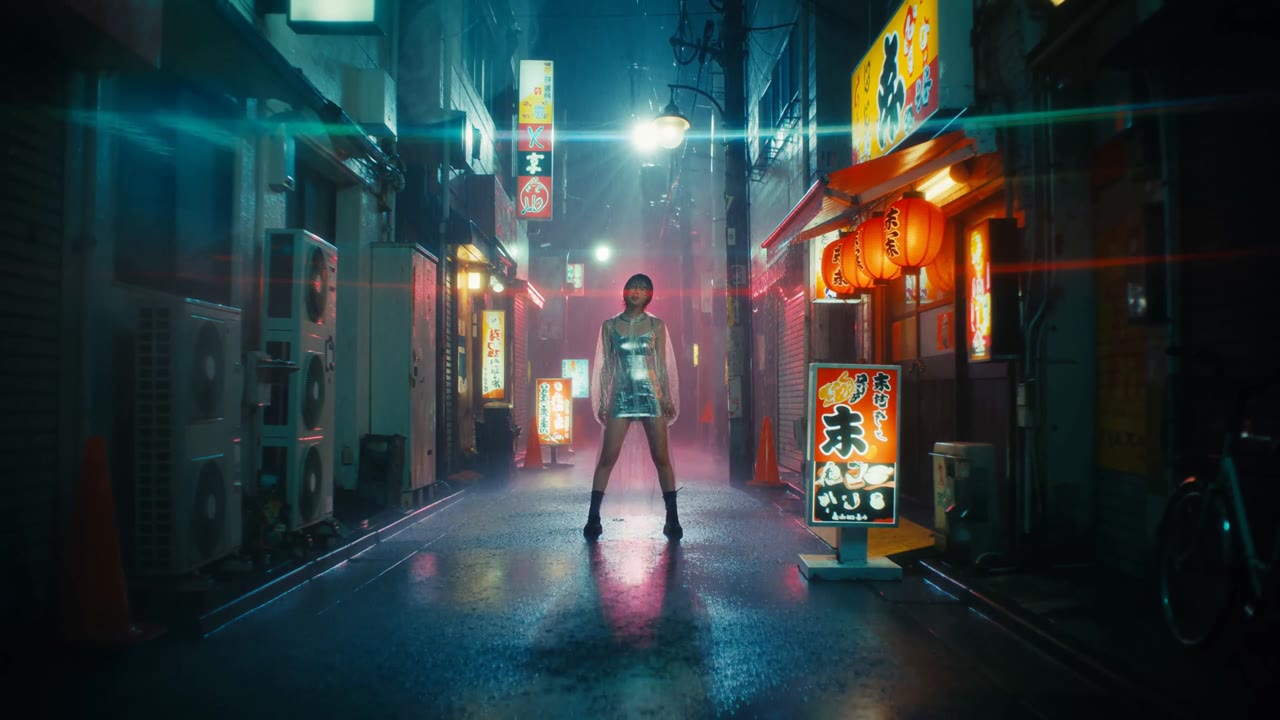
Neon Tokyo Music Video (native stereo audio)
Music video. The soundtrack is a high-energy city-pop / synthwave track with a driving bassline, punchy live drums and a bright analog synth hook, playing continuously from the first frame. Neon-lit Tokyo backstreet at night in the rain. A young female singer in an oversized translucent raincoat performs straight to camera under a red izakaya lantern, singing the hook in sync with the music. Fast cuts landing on the beat: wide shot down the alley with neon reflected in puddles; tight close-up of her face with magenta rim light and rain on her cheek; low-angle push as she walks toward camera when the bass drops; quick insert of rain hitting a buzzing neon sign; back to a wide performance shot as the hook repeats. Anamorphic lens flares, shallow depth of field, 35mm film grain, teal and magenta palette, cinematic colour grade. No on-screen text.
by APIMODELS
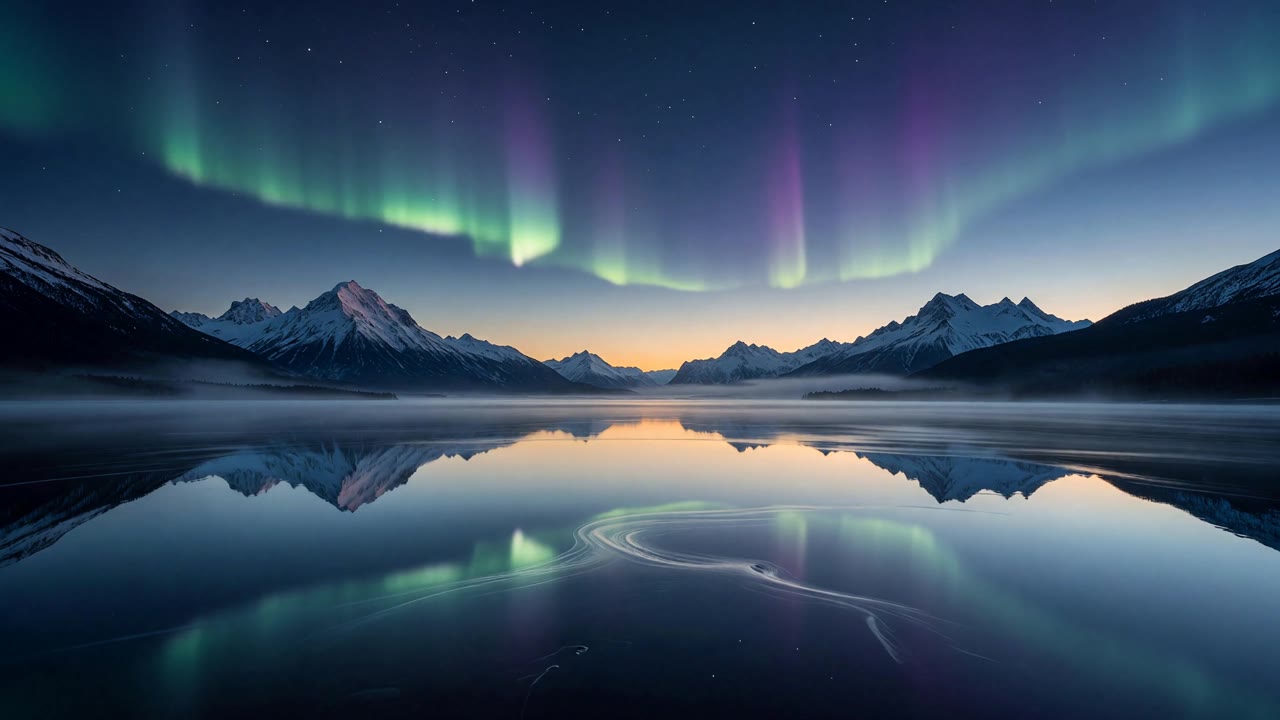
Living Wallpaper: Aurora Lake (locked camera)
Locked-off static camera. No zoom, no pan, no dolly, no parallax. Only ambient atmosphere moves: the aurora ribbons drift and undulate slowly across the night sky, thin low mist creeps gently across the lake, the water surface breathes with extremely subtle ripples while keeping the mirror reflection intact, faint stars shimmer. Calm, continuous, seamless ambient loop. Nothing enters or leaves the frame, no new objects, no people, no text.
by APIMODELS

Condor Heroes characters teach English word dream
神雕侠侣主角趣味讲单词 dream 教程
by @nicekate8888
We curate copy-ready prompt libraries — every entry shows its full text and a sample result, ready to adapt.
How to get access, regional availability, and how this model compares with its alternatives.
