
Blog · 2026-11-07
GPT Image 2.6 GIF and SVG: 40 Ways to Make Money, From Sticker Stores to Your Own Sticker Bot
Model pages: GPT Image 2.6 Flare API · GPT Image 2.6 Sunburst API — pricing, specs and the playground
What can you actually sell with GPT Image 2.6's GIF and SVG output? OpenAI's latest image model returns 2–16 frame animated GIFs and SVG vectors directly. We sorted 40 ways to earn with them into six groups: sticker stores such as WeChat, LINE and Telegram, custom sticker orders, developer products like sticker generators and bots, SVG logos, icons and cut files, and GIFs for marketing. A six-frame low-quality GIF costs about 3.4 cents to generate, and an SVG is a flat 3.15 cents.
GPT Image 2.6 is the image model OpenAI released in November 2026, offered in two tiers, Flare and Sunburst, and both can output GIF and SVG. The big change from the previous generation is the file you get back. An animated sticker used to mean a still image plus an animation tool; a vector logo meant a bitmap plus someone to trace it. Now one call returns a looping GIF, or an SVG that stays sharp at any size.
Stickers, emotes and cut files are old businesses; what changed is that they used to need an illustrator for every frame. We collected each platform's published listing rules, revenue shares and real market prices into one list. Every entry covers four things: how to make it, where to sell it, what it sells for, and the rules you have to follow. The facts are current as of 7 November 2026, platforms change their rules, and a price reference only shows that someone sells at that price, not that you will earn it. The full list with a source link for every entry is open source in the GitHub repository apimodels/gpt-image-2-6-gif-svg-money-ideas.
A word on who we are: we run apimodels.app, a platform where one API key calls GPT Image 2.6 alongside other image, video, audio and language models, so we have a stake in this topic. Every GIF and SVG in this article came out of GPT Image 2.6 untouched. AI helped us gather the sources and draft the list.
The short version
GIF and SVG lead to two different kinds of business. GIFs go into stickers, emotes, streamer reactions and small marketing loops, where what you sell is a character plus a set of moves. SVGs go into logos, icons, cut files and print designs, where what you sell is a file that scales and runs on a machine.
The money comes through three kinds of channel: platform stores (WeChat stickers, LINE, Adobe Stock and the like, each with its own revenue share), custom work (Fiverr, Etsy, Instagram commissions), and products you build yourself (sticker generators, bots, SVG tools). The same model output faces very different gates in each. Some stores require an AI declaration, some refuse AI work outright, and launching an AI product in mainland China needs a registered company and algorithm filing. Each entry below spells these out.
The cost side is easy to state: about 3.4 cents for a six-frame low-quality GIF, 3.15 cents for an SVG, and nothing for a failed call. The price references sit in each entry; how you combine them is your call. If you build with APIs, the seven developer products in group four are the most direct route, and we go deeper on them further down.
What GPT Image 2.6 can and cannot do with GIF and SVG
- Frames: 2 to 16 per GIF. Ask for more and the call fails; the “2–64 frames” figure still quoted online is out of date.
- Frame size: all frames are drawn on one sheet, so more frames means smaller frames. At 4–16 frames each one lands around 512–960 px, and about 720 px once you go past 12.
- Transparency: GIFs are not guaranteed a transparent background. For stickers, generate on a flat colour and cut each frame out.
- References: GIFs accept reference images, so one character can carry a whole set. SVG is text-to-image only, one image per call, on a canvas of about 1K, and it cannot vectorise a bitmap you hand it.
- Masks: a GIF cannot be combined with a mask. Edit the still first, then animate it.
- Billing: GIFs are billed by tokens, so frames, size and quality all move the price. SVGs are a flat 3.15 cents and ignore the quality setting.

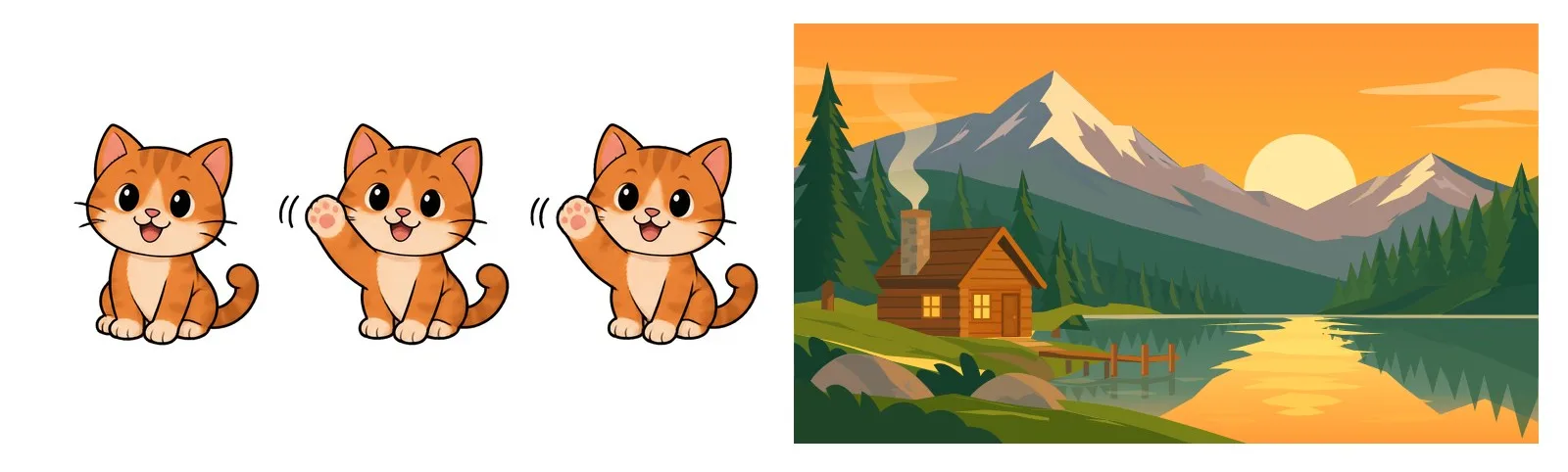
All three GIFs came from the same reference cat, and the stripes, eyes and proportions match across them; only the expression and the movement change. That consistency is what a sticker set rests on. A WeChat or LINE set runs 8 to 24 stickers, a Telegram pack can hold more, and the character has to look the same in every one.
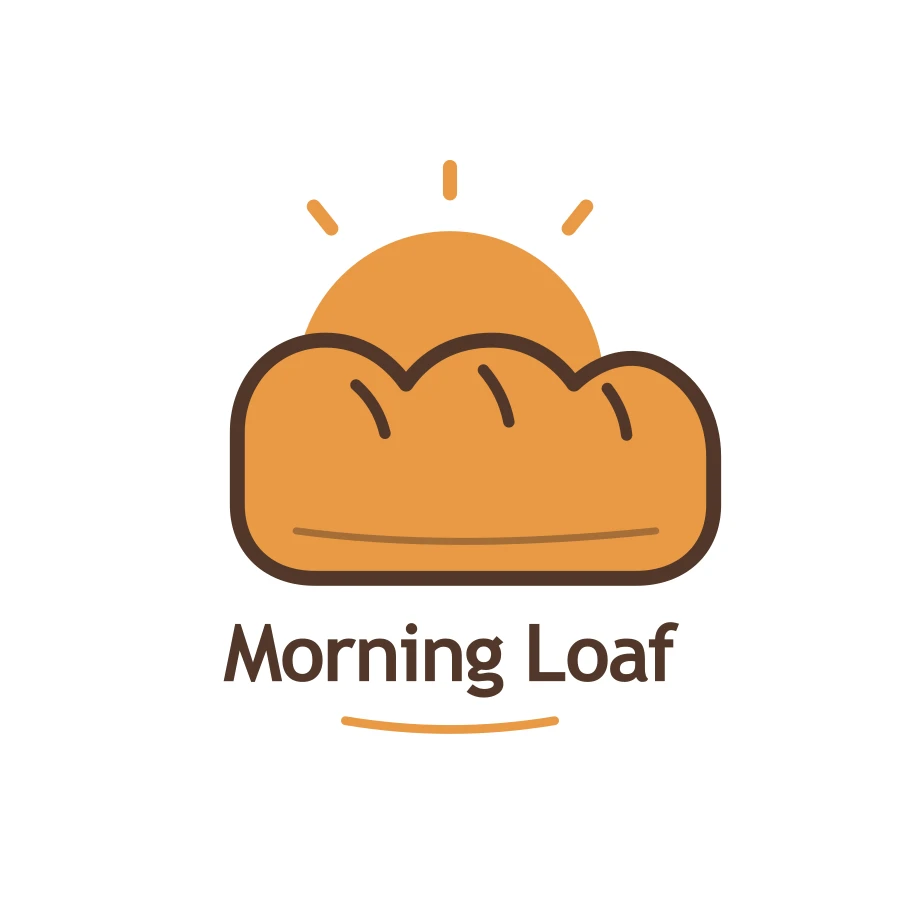
On the SVG side, 2.6 does best with few colours and clean shapes: two-colour logos, line icons, silhouettes, flat illustration. It will attempt photo-like scenes, but the path count explodes, the file gets heavy and a cutting machine will not thank you. Most SVGs need a cleanup pass before they are sellable; the steps are in the production section below.
All 40 ideas at a glance
Here they are in six groups, each with the format, where it sells and a price reference, plus a rule where one matters. The numbering matches the full list on GitHub, so you can look up the source for any entry.
1. Chinese sticker and customisation platforms
- 1 WeChat tip-jar stickers: 240×240 per sticker with a 2 px white outline, 500 KB max, 8–24 per set. You register with a mainland ID; fans tip whatever they like and, for now, the full amount reaches the creator. Work must be original, so no fan art.
- 2 WeChat paid stickers: open to creators with one live set and no violations in three months. Every paid set is 10 WeChat Beans, settled monthly. Paid sets are exclusive to WeChat and cannot go back to free.
- 3 An original character: keep one character and keep releasing sets, grouped on a WeChat “sticker character” page, with an SVG master of the character for merchandise. Long-running characters such as Mogutou earn mainly from licensing; merch on Taobao sells for 10–200 yuan.
- 4 QQ profile decorations: animated pendants and chat bubbles, applied for through Tencent's design platform. Revenue share, specs and AI policy are not public and come with the contract.
- 5 Official paid red-packet covers: an 8-frame loop exported as a 3:4 MP4 of 1–3 seconds. You need an Official Account or Channels account with 100 followers; you set the price and the platform takes 20% once a cover passes 50 heat points.
- 6 Red-packet covers for brands: design covers for companies, who pay the 1-yuan-per-cover issuing fee. Covers and their codes cannot be resold. Chinese New Year 2027 falls around 6 February, so first covers need to ship before December.
2. Global sticker and emoji platforms
- 7 LINE animated stickers: transparent APNG, up to 320×270, 4 seconds and 1 MB. Prices sit between 240 and 600 yen and the creator gets half of what is left after platform fees. You must declare “Use of AI”, and payouts only go to a PayPal Premier or Business account.
- 8 Telegram sticker packs: WEBM VP9 with one side exactly 512 px, 3 seconds and 256 KB max. Telegram packs cannot carry a price, so the money comes from custom orders (entries 16 and 17) or a paid bot (entry 23).
- 9 iMessage sticker apps: 408×408 APNG, 500 KB max, one size per pack. The App Store needs a $99 developer account and takes 15% under the Small Business Program.
- 10 WhatsApp sticker apps: 512×512 animated WebP, 500 KB max, 3–30 per pack. WhatsApp sells nothing itself, so third-party sticker apps live on ads and in-app purchases; one third-party estimate puts the top sticker-maker apps at $10k to $50k+ a month.
- 11 Kakao emoticons: 360×360, up to 24 GIF frames, 2,500 won a set. Kakao restricts generative-AI emoticons, so AI can help with concepts but the final art has to be drawn by hand.
- 12 GIPHY and Klipy: neither pays per view; they are for reach. Five uploads qualify you to apply for a Creator Channel with your commission link in the bio. Since the Tenor API shut down on 30 June 2026, WhatsApp's GIF search runs on GIPHY.
3. Custom work
- 13 Personal stickers in China: the client sends 3–5 face photos, approves one character sheet, then gets the animated set. Xianyu and Xiaohongshu listings run 9.9–99 yuan a set, against 200–300 yuan per hand-drawn sticker. Only take photos of the client or their family, get consent in writing, and close Xiaohongshu deals through its own store.
- 14 Brand and company stickers: if the brand has a mascot, use it as the reference for 16 animated stickers; if not, design one and keep an SVG master. Studios quote 4,800–9,600 yuan for 16 animated stickers and 7,000–10,000 yuan with a mascot. Contract, invoice and copyright transfer are expected.
- 15 Government holiday stickers: sold through public tenders; one district paid 68,000 yuan for a 2024 New Year set. You bid as a company or subcontract to the winner.
- 16 Personal stickers worldwide: deliver one character in every format, WebP for WhatsApp, WEBM for Telegram, APNG for iMessage and transparent PNG. One Instagram seller charges $50 for 8 and $90 for 16, and Fiverr packs go for $25–65. Fiverr requires you to say you used AI if a client asks.
- 17 Community and company emoji: Slack wants 128×128 at about 128 KB, Discord up to 256 KB. Telegram packs for crypto projects sell for $25–50 on Fiverr; self-published emoji packs go for $5–15.
- 18 Streamer emotes: animate the streamer's avatar in 6–8 frames, export 112, 56 and 28 px, and keep flashing under three times a second. Fiverr lists 1,900+ similar gigs starting at $15–41. VGen and Skeb do not accept AI work.
4. Developer products
- 19 Sticker generator sites: reference image in, frames cut out, files packed per platform. Deskslap charges $2 a sticker with three retries included.
- 20 Transparent GIF mascots: animated mascots for websites and apps, delivered as APNG or WebP for the web. One SaaS in this niche charges $15, $39 or $119 a month.
- 21 Machine-ready SVG tools: cut files for Cricut and laser users. VectoSolve charges $7.99 a month and shows $3,110 of Stripe-verified revenue over 30 days.
- 22 Logo and icon generators: Brandmark sells one-off packages at $35, $95 and $195; Looka at $35 or $72. Tell users to run their own trademark search.
- 23 Telegram and Discord bots: a user sends a photo and the bot returns 8–16 animated stickers as a ready pack. Inside Telegram you can only charge in Stars, worth about $0.013 each to the developer and withdrawn as TON through Fragment.
- 24 Mobile apps outside China: sticker specs are in entries 9 and 10. Google Play requires a report button in generative-AI apps, and both stores take 15% from small developers.
- 25 Mini-programs and sites in China: individuals cannot open the deep-synthesis category, so you need a company, algorithm filing and AI labels on exports. Run a domestic version on a filed Chinese model and ship the GPT Image 2.6 version abroad. One AI red-packet cover site charges 9.9 yuan for 10 generations.
5. SVG work
- 26 Logo design: generate 10–20 SVG directions (about 63 cents in generation), refine by hand, deliver SVG, AI, PDF and PNG. Zhubajie quotes 800–6,000 yuan; Fiverr logos commonly sell for $30–50.
- 27 Bitmap-to-vector service: describe a simple logo in words and let 2.6 redraw it as SVG; trace anything complex with a vectoriser. Etsy listings run $5–24, Dribbble from $59.
- 28 Laser, vinyl and embroidery files: badges and silhouettes with closed single-line cut paths; embroidery needs a separate PES or DST conversion. Laser kits sell for $3.49–14.99 on Etsy, and the Glowforge Catalog takes no commission from Premium members.
- 29 Atomm: test the design on an xTool laser, then publish it with materials and settings. Paid projects pay the creator 80%, withdrawable from $20.
- 30 Stock sites: Adobe Stock pays 33% and needs the AI box ticked; IconScout pays 40–70%; 699pic up to 50%. Envato and Shutterstock refuse AI work, and Qianku keeps the copyright of anything it approves.
- 31 Icon packs: generate a whole set from one grid prompt, clean it with svgo and switch fills to currentColor. Notion icon packs sell for $2–12 on Gumroad.
- 32 Print on demand: upload flat designs as SVG after stripping embedded CSS. A $19.99 Merch on Demand shirt pays about $2.44 in royalty, and Zazzle asks for AI work to be tagged.
- 33 Etsy cut files: export SVG, PNG, DXF, EPS and PDF; layered paper designs sell for $4.69–5.47. Since 22 October 2026 every Etsy listing needs at least one unaltered photo of the real item, so cut one and photograph it.
6. GIF marketing and content
- 34 Email and social GIFs: 2–6 flat frames with a first frame that works as a still, about 600 px wide and under 1 MB. Fiverr gigs start at $20, custom work from $150.
- 35 Display-ad GIFs: at least 210 ms per frame, 150 KB max, cropped to standard sizes such as 300×250. Fiverr from $25.
- 36 Product-page animations and feature icons: Taobao's main image must be a still, so GIFs go into the detail page at about 750 px wide. Use real photos for the product itself, keep AI animation to mood shots and icons, and label it clearly.
- 37 Product and game demo GIFs: Product Hunt thumbnails can be GIFs under 3 MB, and the same loops work in a README or a Steam page. Loading animations sell for $50–200 on Fiverr.
- 38 Livestream overlays: 9:16 ambient loops on a transparent background, such as falling petals or light sweeps, with text placed by hand.
- 39 A content account: post one original character's stickers and holiday covers, demo them on video and point viewers to search the set by name. Data from around 2021 put an ad on a 10k-follower sticker account at 250–500 yuan; Xiaohongshu limits reach for unlabelled AI content.
- 40 Tutorials and asset packs: Zhishi Xingqiu (a paid community platform that takes 20%), Xiaohongshu's store, Gumroad. Etsy bans selling AI prompt collections, and do not teach people to strip AI labels.
What developers can build on it
If you call APIs for a living, the seven ideas in group four use GPT Image 2.6 as the engine and leave you to build the pipeline around it. Here is what each kind of product needs on top of the model.
Sticker generators and chat bots
The two share one pipeline. A user uploads a photo or a character, your backend asks GPT Image 2.6 for a 6–8 frame GIF, you key out the flat background frame by frame and transcode for the target app: 512×512 animated WebP for WhatsApp, WEBM with one 512 px side and under 3 seconds for Telegram, APNG for LINE and iMessage. The open-source sticker-convert tool handles the conversion and upload in bulk. A website can charge per sticker; a Telegram bot has to charge in Stars.
An eight-sticker set at about 3.4 cents per six-frame low-quality GIF comes to roughly 27 cents in generation. Using a reference and default quality on every sticker costs more; in another of our tests that came to about 9 cents a GIF. Failed calls are not charged, so a retry costs time rather than money.
Transparent mascots and demo loops
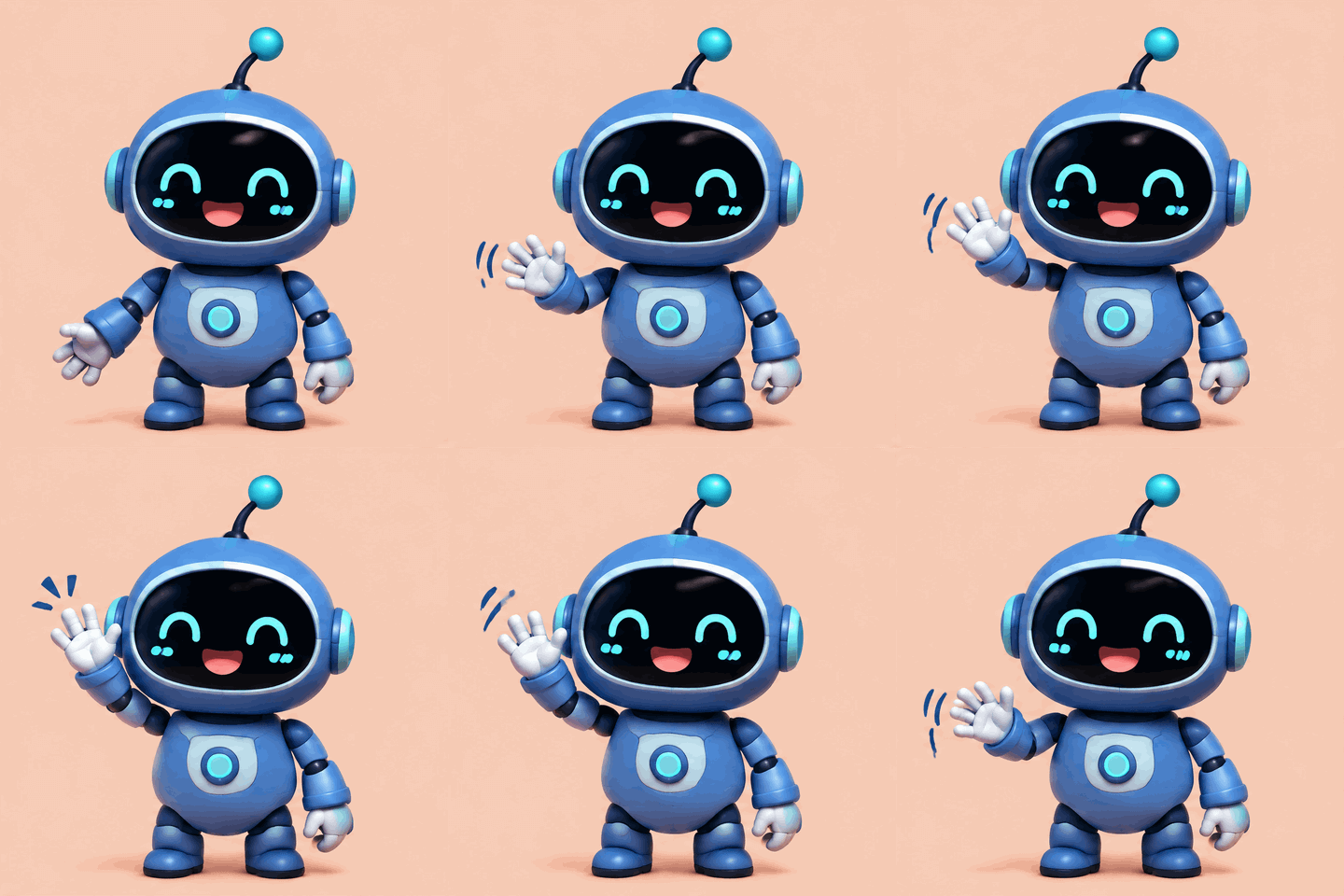
This robot is a six-frame GIF from a single sentence: the character, framing and background hold still and only the arm moves. Site mascots, loading states and empty-state art all suit this kind of small loop. GIF transparency is all-or-nothing per pixel, so cut-out edges tend to look jagged; for the web, deliver APNG or WebP instead.
SVG tools: cut files, logos and icons
The main limit on the SVG side is that it takes no reference image. “Turn my bitmap logo into a vector” is out of reach, so pair 2.6 with a tracing engine for that job; what 2.6 does well is drawing a flat logo, icon or silhouette from a description. Before a cutting machine sees the file, remove the background rectangle, close the paths and split layers by colour, or a Cricut or laser will cut lines you never wanted. For logo generators, horizontal short wordmarks in three or four colours work best, and an icon set comes out cleanly as a 3×2 grid you split afterwards.
Sort out compliance first
OpenAI's API is not available in mainland China, Hong Kong or Macau, so a GPT Image 2.6 product belongs in supported regions. Launching AI generation inside China needs a registered company in the deep-synthesis category, algorithm filing and AI labels on exported images. Generative-AI apps on Google Play must include a way to report content, and any generator, anywhere, should block prompts for existing IP and real celebrities.
A production pipeline that fits most of these
- Frames: 6–8 frames read best on a sticker; 12–16 move more smoothly but each frame drops to about 720 px.
- Background: generate on a flat colour such as magenta #FF00FF so it keys out cleanly, or remove it with a tool like rembg.
- Alignment: crop every frame with the same box before resizing, or the character jitters inside the sticker.
- Export: for GIF, threshold the alpha and add a 2 px white outline; for APNG, WebP and WEBM keep 8-bit alpha.
- SVG cleanup: drop the background rectangle, switch fills to currentColor and run svgo; for cut files, close every path and layer by colour.
- Records: keep prompts and source files, and declare AI wherever a platform asks.
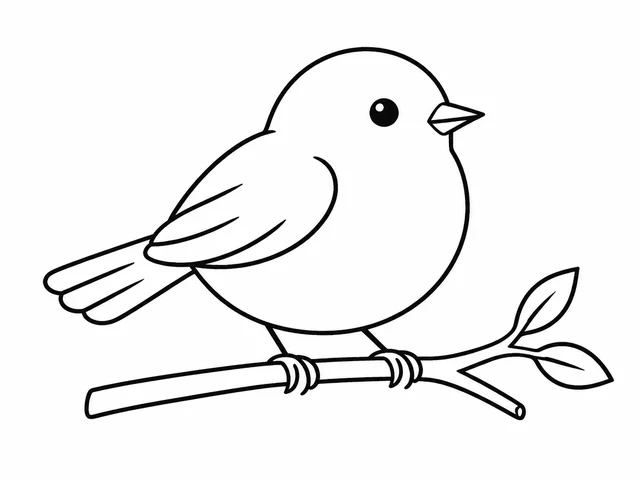
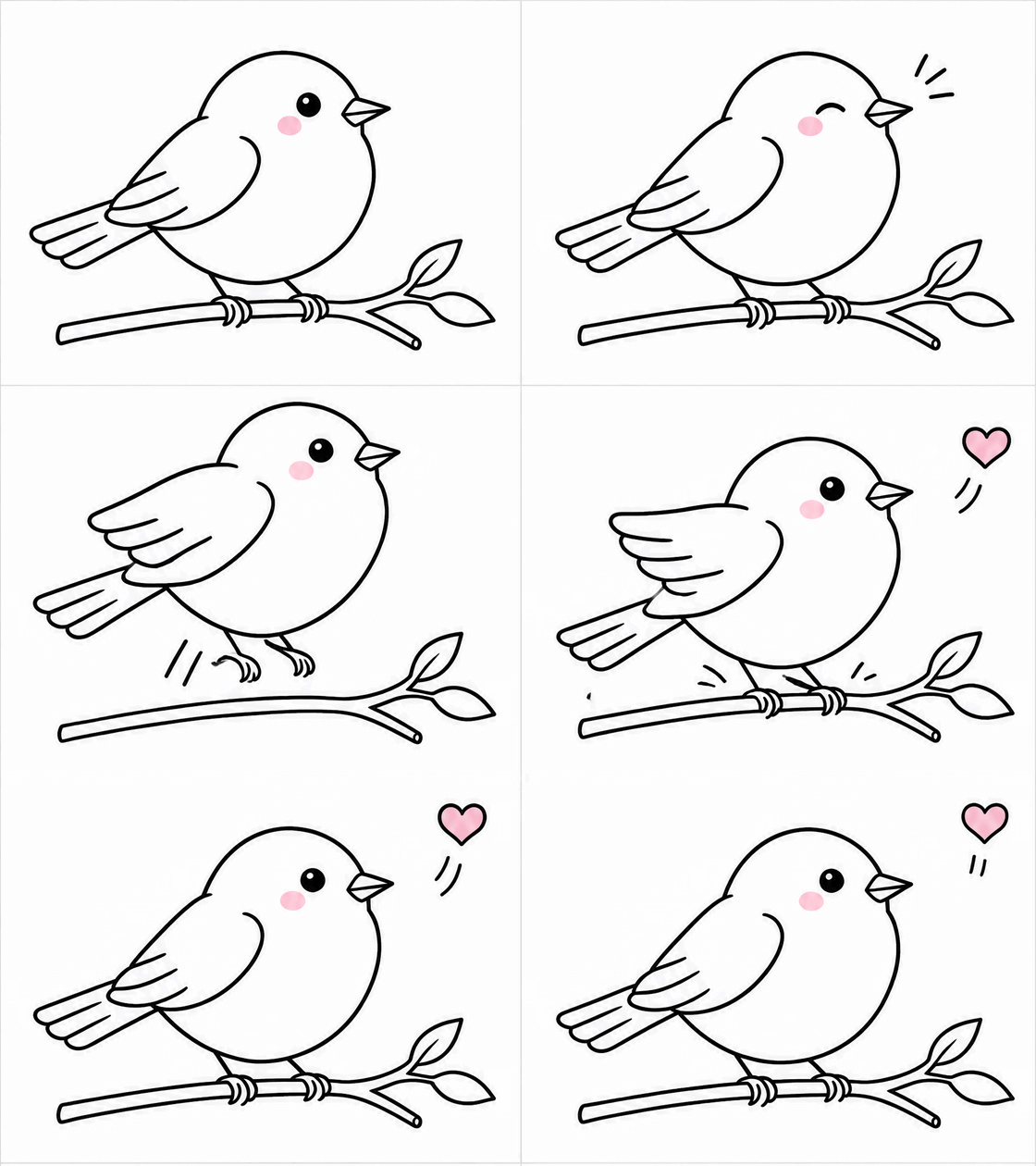
References matter most when you sell sets. The bird above started as a line drawing we gave 2.6, and the six-frame loop kept the line weight and drawing style in every frame. For an original character, that means an illustrator's own drawing can be animated in bulk without drifting off-model. This one, at default quality with one reference, cost about 9 cents.
Our sticker prompts come in four parts. First a character anchor (shape, colours, outfit, reused word for word every time) plus “keep the exact character from the reference image, do not redesign it”. Then one small movement that returns to the starting pose, with a fixed camera and the same framing in every frame. Last, a flat solid background, flat illustration, no text and a seamless loop. Set output_format=gif, frame_count to 6–8 and frame_duration_ms to 100–150, and attach the reference. Every parameter is in the GPT Image 2.6 API docs.
What a GIF and an SVG cost
SVG is the simple one: a flat 3.15 cents whatever the quality, $3.15 per hundred, or about 63 cents for 20 logo directions. GIFs are billed by tokens, so more frames, bigger frames and higher quality all cost more. Our measured points: about 1.5 cents for 4 frames at 512×512 low quality, about 3.4 cents for 6 frames at 1K low, and about 9 cents for a six-frame loop with one reference at default quality. A hundred six-frame low-quality GIFs come to roughly $3.40.
GIFs of 4–16 frames usually come back in 10 to 30 seconds, and neither GIF nor SVG calls are charged when they fail. Plain still images on 2.6 are priced per image from 1 cent at 1K low, which covers sticker covers and product shots. Our GPT Image 2.6 API test has more runs with the cost of each.
Platform rules people trip over
- Declaring AI: LINE asks for a “Use of AI” setting, Etsy wants it in the description, Adobe Stock has an AI checkbox, Zazzle uses a generativecontent tag, and content published in China needs an AI label.
- Stores that refuse AI: Kakao restricts generative-AI emoticons; Envato, Shutterstock, VGen and Skeb take no AI work; Hellorf only accepts images from named tools.
- Exclusivity: WeChat paid stickers cannot be sold anywhere else, and Qianku owns the copyright of approved uploads.
- Likeness and IP: only animate photos of the client or their family, with written consent; skip celebrities and existing characters, and never title a set “in the style of” someone.
- Real photos: since 22 October 2026 every Etsy listing needs at least one unaltered photo of the actual item, and bulk listing by bot is banned.
When GPT Image 2.6 is the wrong tool
- You need a transparent GIF straight from the model: 2.6 does not guarantee one, so you will be cutting frames out yourself.
- The animation needs more than 16 frames or several seconds of continuous motion: 16 is the ceiling; a video model fits longer clips better.
- A client wants their existing bitmap logo as an SVG: SVG generation takes no reference, so use a tracing tool.
- You only sell on stores that refuse AI, or your users are in mainland China: the first will not take the art, and the second cannot reach OpenAI's API, so use a filed Chinese model.
Related models
- GPT Image 2.6 Flare: the default tier, with GIF, SVG and markup edits; plain images from 1 cent.
- GPT Image 2.6 Sunburst: the highest-fidelity tier, same abilities as Flare and the same price at 1K and 2K, with more detail in the picture.
- Nano Banana 2.1: another option when you only need still sticker art, from 2.2 cents at 1K.
- Qwen Image 3.0: stills with a lot of small text, such as captioned stickers or posters, at 3.5 cents.
- Real-ESRGAN: upscales still stickers or print artwork for half a cent.
To see more of 2.6's GIF and SVG output first, read our GPT Image 2.6 vs 2.5 comparison; if you are choosing between the tiers, see Flare vs Sunburst. The full list in English and Chinese, with a source for every entry, lives in the GitHub repository apimodels/gpt-image-2-6-gif-svg-money-ideas, and issues are welcome when a rule changes or you have a new idea.
FAQ
Can GPT Image 2.6 generate animated GIFs, and how many frames?
Yes. Both GPT Image 2.6 tiers, Flare and Sunburst, return GIFs of 2 to 16 frames, and a request for more fails. All frames share one sheet, so more frames means smaller frames, about 720 px past 12; for stickers, 6 to 8 frames read best.
How much does one sticker GIF cost on GPT Image 2.6?
GIFs are billed by tokens, so frames, size and quality all affect the price. In our tests on apimodels.app, 4 frames at 512×512 low quality cost about 1.5 cents, 6 frames at 1K low about 3.4 cents, and a six-frame loop with one reference at default quality about 9 cents. Failed calls are not charged.
Can I use GPT Image 2.6 SVGs on a Cricut or a laser cutter?
As a starting point, yes, after a cleanup: remove the background rectangle, close the paths and split layers by colour. GPT Image 2.6 makes SVGs from text only, at a flat 3.15 cents each, and cannot convert an existing bitmap to vector.
Can AI-made stickers go on the WeChat sticker store?
Approval is up to WeChat's reviewers. Its published rules require original work and exclude fan art, any AI declaration offered at upload should be answered honestly, and Chinese law requires AI-generated content to be labelled. Paid sets are exclusive to WeChat once switched on.
Do GPT Image 2.6 GIFs have a transparent background?
Not guaranteed. For stickers, generate on a flat colour and cut each frame out, then threshold the alpha and add a 2 px white outline when exporting GIF. For smooth transparent edges, export APNG or WebP instead.