

Wan 2.2 Animate API
wan-2.2-animateWan 2.2 Animate turns a character image and a reference video into a new clip in one of two ways. In animate mode, the default, the character and background from your image are driven by the motion and expressions of the person in the video — dance covers, gestures, a talking head — which is how an illustration, a game character or an avatar gets a performance without motion capture. In replace mode the video keeps its scene, camera and motion and only the person is swapped for your character: a virtual character dropped into live footage, or an existing clip recast. The output is exactly as long as the reference video, at 480p or 720p (default 720p), 24fps, and it keeps the reference video's audio track. Billing is per second of the reference video, rounded up to whole seconds: $0.0742/s at 480p and $0.154/s at 720p — a 5-second reference is $0.371 or $0.77, a 30-second one $2.226 or $4.62 — fixed the moment the task is created, and failed requests are never charged. Measured here: a 3.54-second 1080p reference produced a 3.54-second 832x480 clip in 110 seconds, with the character following the gestures beat for beat. Inputs: the image as a public URL or base64 up to 50MB (one person, facing forward, with a clear face works best); the video as a public https MP4 URL up to 120 seconds and 200MB. We read the video's length before creating the task, so an unreadable, private or expired link returns a 400 immediately instead of failing minutes later. Where it fits: dance and choreography recreation, VTuber and avatar reaction clips triggered from a library of reference moves, and recasting existing footage with a virtual lead. Same endpoint and key as the Wan Spicy image-to-video models — only the model field changes.
Generate Video
One person facing forward with a clear face works best; stylised characters work too. Max 50MB.
MP4, max 100MB here (the API takes up to 200MB by public URL), up to 120s. The output is exactly this long, and so is the bill.
animate: your character and background, moving like the person in the video.
Result
Generated video will appear here
Provide URLs and click Generate
Motion transfer (animate)
Your character and background, moving and emoting like the person in the reference video — no motion capture
Character replacement (replace)
The video keeps its scene, camera and motion; only the person becomes your character
Output as long as the reference
No duration parameter. Billed per second of the reference video, rounded up: $0.0742/s at 480p, $0.154/s at 720p
Keeps the audio, 24fps
The reference video's sound stays in the output; the frame follows the reference. Measured: 3.54 s in, 3.54 s out
Cost known before it runs
We read the clip length at creation and fix the price there. Unreadable or private links return a 400 right away; up to 120 seconds per clip
About Wan 2.2 Animate
Wan 2.2 Animate is a Video Generation API provided by Alibaba. Wan 2.2 Animate turns a character image and a reference video into a new clip in one of two ways. In animate mode, the default, the character and background from your image are driven by the motion and expressions of the person in the video — dance covers, gestures, a talking head — which is how an illustration, a game character or an avatar gets a performance without motion capture. In replace mode the video keeps its scene, camera and motion and only the person is swapped for your character: a virtual character dropped into live footage, or an existing clip recast. The output is exactly as long as the reference video, at 480p or 720p (default 720p), 24fps, and it keeps the reference video's audio track. Billing is per second of the reference video, rounded up to whole seconds: $0.0742/s at 480p and $0.154/s at 720p — a 5-second reference is $0.371 or $0.77, a 30-second one $2.226 or $4.62 — fixed the moment the task is created, and failed requests are never charged. Measured here: a 3.54-second 1080p reference produced a 3.54-second 832x480 clip in 110 seconds, with the character following the gestures beat for beat. Inputs: the image as a public URL or base64 up to 50MB (one person, facing forward, with a clear face works best); the video as a public https MP4 URL up to 120 seconds and 200MB. We read the video's length before creating the task, so an unreadable, private or expired link returns a 400 immediately instead of failing minutes later. Where it fits: dance and choreography recreation, VTuber and avatar reaction clips triggered from a library of reference moves, and recasting existing footage with a virtual lead. Same endpoint and key as the Wan Spicy image-to-video models — only the model field changes. Through APIMODELS platform, you can access this model via a unified API with transparent pay-as-you-go pricing. Current pricing: 480p: $0.0742, 720p: $0.154.
Key Features
- Motion transfer (animate) -- Your character and background, moving and emoting like the person in the reference video — no motion capture
- Character replacement (replace) -- The video keeps its scene, camera and motion; only the person becomes your character
- Output as long as the reference -- No duration parameter. Billed per second of the reference video, rounded up: $0.0742/s at 480p, $0.154/s at 720p
- Keeps the audio, 24fps -- The reference video's sound stays in the output; the frame follows the reference. Measured: 3.54 s in, 3.54 s out
- Cost known before it runs -- We read the clip length at creation and fix the price there. Unreadable or private links return a 400 right away; up to 120 seconds per clip
Use Cases
Marketing Videos
Quickly generate brand promotion videos for ad campaigns and social media marketing.
Social Media Content
Create compelling short-form video content for platforms like TikTok, Instagram, and YouTube.
Product Demos
Generate product feature demonstrations and tutorials to improve user conversion.
Educational Content
Produce course explanations, knowledge explainers, and training videos at an affordable price.
Why APIMODELS
- Unified API -- One API key to access all models, no need to register on multiple platforms
- Transparent Pricing -- Pay-as-you-go with per-call pricing published on every model page, ideal for indie developers and startups
- Instant Access -- Start right after signup; pay by card, PayPal, Alipay or USDT
- Full Documentation -- Detailed API docs with code examples in cURL, Python, and Node.js
Frequently Asked Questions
How to use Wan 2.2 Animate API?
Sign up at APIMODELS, get your API key, and call our unified API endpoint. We provide detailed API documentation with code examples in cURL, Python, and Node.js.
What is the difference between APIMODELS and the official Alibaba API?
APIMODELS offers the same Wan 2.2 Animate model through our aggregation platform. We provide a unified API interface so you do not need separate accounts for each provider - one API key to access all models.
How much does Wan 2.2 Animate cost?
Per second of the reference video, rounded up to whole seconds: $0.0742/s at 480p and $0.154/s at 720p. A 5-second reference is $0.371 or $0.77, 10 seconds $0.742 or $1.54, 30 seconds $2.226 or $4.62. Both modes cost the same, the charge is fixed when the task is created with nothing added afterwards, and failed requests are not charged. Omitting resolution bills at 720p — pass 480p explicitly to pay less.
What is the difference between animate and replace?
animate (the default) keeps your image — the character and its background — and drives it with the motion and expressions of the person in the reference video, so the output shows your character dancing, talking or gesturing. replace keeps the reference video — scene, camera, motion — and only swaps the person for your character, so the output is the original shot with a new lead. Use animate to give an illustration or avatar a performance; use replace to put a virtual character into live footage or recast an existing clip.
How long is the output, and what does the reference video need?
The output is exactly as long as the reference video, to the millisecond; there is no duration parameter, and in our test a 3.54-second reference produced a 3.54-second clip. The video must be a public https MP4 URL of at most 120 seconds and 200MB — no base64, no login-gated or signed-expiry links. We read its length before creating the task to fix the price, so an unreadable link returns a 400 with the reason immediately instead of failing minutes later. The frame follows the reference: a 16:9 reference comes out at 832x480 in 480p.
Does the output have sound, and what kind of image works best?
The output keeps the reference video's audio track (stereo AAC in our test) at 24fps; a silent reference gives a silent clip, the model does not add sound of its own. The character image can be a public URL or base64 up to 50MB. One person, facing forward, with a clear unobstructed face works best, and stylised characters drive fine too — our test animated an elf character from a real person's gestures.
What is it for, and how long does it take?
Three uses come up first: dance and choreography recreation (one character image follows any dance video); VTuber and avatar reaction clips (keep a library of reference moves and generate the reaction a fan triggers); recasting existing footage (replace mode puts a virtual character into a live shot). Measured here, a 480p job on a 3.54-second reference took 110 seconds; longer clips and 720p take longer, so design around an async task. Same endpoint and key as the Wan Spicy image-to-video models — only the model field changes.
How does Wan 2.2 Animate compare with other models in the Video Generation category?
On APIMODELS, Wan 2.2 Animate runs alongside 60+ models on one API key and one balance, so choosing is about fit, not lock-in. It supports Motion Transfer, Character Replace, Image + Video, 480p / 720p, Keeps Audio, Up to 120s, and you can weigh it on price and capability against other models in the Video Generation category, then switch by changing a single model-name string — no new account or integration. Browse every model in that category with live pricing at apimodels.app/models.
What can Wan 2.2 Animate do?
Wan 2.2 Animate supports: Motion Transfer, Character Replace, Image + Video, 480p / 720p, Keeps Audio, Up to 120s. See the APIMODELS docs for full parameters and call examples.
Can I use the Wan 2.2 Animate API from any country, including mainland China?
Yes. APIMODELS does not restrict access by country: the site and the API answer requests from anywhere, and apimodels.app and api.apimodels.app are reachable directly from mainland China without a proxy. You call Wan 2.2 Animate with one APIMODELS key, so you do not need a separate account with the model's developer.
What payment methods are supported? Can I pay with PayPal or crypto?
Yes to both. You can top up with a card (Visa, Mastercard and others, through Stripe), PayPal, Alipay, or USDT on TRON (TRC20) or BNB Smart Chain (BEP20). Card, PayPal and Alipay top-ups are credited immediately; USDT is credited once the transfer confirms on-chain. Auto top-up is optional, and a $50 top-up adds a $1 bonus ($3 on a $100 top-up). The balance is in USD and billed per use, with no subscription.
Related models
Wan 3.0 prompt examples
See all 64 →Prompts shared by their authors — copy and adapt them. Each one credits its author and links back to the original post.
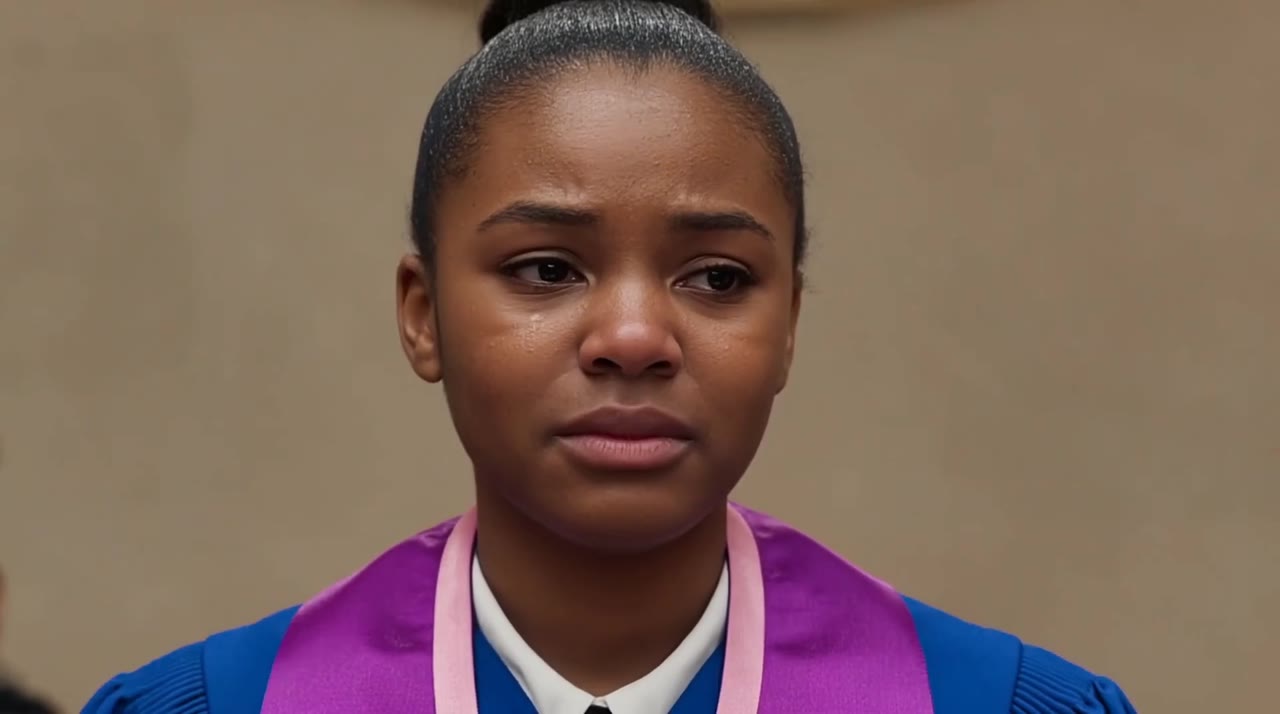
Graduation-gown close-up: a worried monologue to camera
这是一个正面的近景镜头,画面主要呈现一位年轻黑人女孩的头部和上半身,她穿着一件蓝色的毕业袍。镜头稍微偏一点点,可以看到左边还有一个人,但背景被虚化处理了,看起来很模糊。女孩正对着镜头说话,嘴巴在动,眉头稍微皱着,表情看起来有点严肃和忧虑。光线从上方照下来,把她脸上的轮廓衬托得很自…
by Wan 3.0 视频创作者手册 · 通义万相

Suspense long take down an empty hospital corridor
一段现代悬疑风格的电影感长镜头,整个画面呈现出强烈的淡绿色滤镜风格,营造出一种基于淡绿色系的清冷氛围。在散发着冰冷白光的荧光灯下,空无一人的医院走廊呈现出低饱和的色彩与极高对比的光影关系,锐利且非人情化。镜头从护士台后方开始,一名身穿墨绿色夹克的女子猛地从走廊尽头的门后冲入,沿着…
by Wan 3.0 视频创作者手册 · 通义万相

One-take comedy: director versus leading lady on set
镜头1 [0秒-30秒] 近景,平视视角,连续快速摇镜,一镜到底(单镜头连续无缝运镜): 画面左侧是身穿黑色潮流导演马甲、戴着高档专业工作耳麦的导演,其左下方放置着一台巨大的专业电影摄像机。右侧是妆容精致、留着时尚韩式逗号刘海、身穿高定制西装的关系户小鲜肉。背景是宽敞的专业影棚拍…
by Wan 3.0 视频创作者手册 · 通义万相
Need prompts?
We curate copy-ready prompt libraries — every entry shows its full text and a sample result, ready to adapt.
Related reading
How to get access, regional availability, and how this model compares with its alternatives.