grok-imagine-image-2Grok Imagine Image 2.0 は、眺めるための絵ではなく、そのまま仕事に出せる絵を作るための xAI の画像モデルです。文字組とレイアウトをデザイナーのように設計します —— 2K のポスターで実測したところ、指定した見出し、日付の行、下部に小さく入れた URL の 3 か所すべてが一字違わず読める状態で返ってきました。1 回の呼び出しで参照画像を最大 3 枚まで融合し、どの被写体をどこに置くかも取り違えません。4 枚目は黙って捨てられるのではなく明示的なエラーで拒否されます —— 黙って落とされると、融合できたと勘違いしてしまうからです。編集では被写体だけでなくシーンも保ちます。赤いティーポットを濃紺にと指示したとき、ポットの形、木のテーブルの木目、窓から差す光、窓辺の植物、背景の木の椅子はそのまま残り、変わったのは色だけでした。 実測から分かった注意点を一つ。ピクセルをその場で直すのではなく同じシーンを描き直す方式なので、出力のたびにカメラ位置、トリミング、被写体の大きさがずれます。色替え、質感替え、要素の追加・削除、複数参照の合成には向いていますが、「ここだけ変えて他のピクセルは 1 つも動かすな」が要件なら GPT Image 2 や Nano Banana Pro の系統を使ってください。もう一つの制限は透過です。アルファチャンネルを求めても、あのグレーと白の市松模様を普通のピクセルとして描いてしまい、返ってくる PNG は RGB でアルファを持ちません(2K の編集と 2K の text-to-image、どちらの経路でも同じでした)。背景の切り抜きが要るなら専用の工程を別に挟んでください。 料金は解像度 × 品質の 4 段階で、1K low $0.03、2K low $0.04、1K medium $0.045、2K medium $0.06(1 枚あたり)。quality は low と medium の 2 値しかなく、省略時は medium です —— 明示しなければ medium を買っていることになります。4 段階とも xAI 公式価格より 25% 安く、2K low は 33% 安くなります。参照画像に追加料金はかかりません(xAI は入力画像 1 枚につき $0.01 を上乗せしますが、当社は転嫁していません)。そのため image-to-image と text-to-image は同額です。アスペクト比は 14 種類あり、19.5:9 / 9:19.5 / 20:9 / 9:20 の超ワイド 4 種を含みます —— この 4 種は仕様表の書き写しではなく 1 つずつ実際に呼んで確認済みで(19.5:9 は 1248×576 が出ました)、当社の別の Grok チャネルはまさにこれらを受け付けません。API キー 1 本で直接呼べ、xAI の個別アカウントは不要、中国からも直接つながり、失敗したリクエストは課金されません。
Omitting quality in the API defaults to medium. Reference images are not charged extra.
Generated image will appear here
Enter a prompt and click Generate
2K のポスターで、指定した見出し・日付の行・小さな注記の URL を出させたところ、3 か所とも一字違わず読める状態で返ってきました。発表記事からの引用ではなく、稼働中のモデルで確かめた結果です。
参照画像は最大 3 枚。どれをどこに置くかを指示すると、テキストから描き直すのではなく、それぞれの被写体が見分けられる形で残ります。4 枚目は黙って捨てられるのではなく、はっきりエラーで拒否されます。
製品の色だけを変えると、物体の形、素材の質感、光、周囲の小物はそのまま残ります。残らないのは構図です —— 次の項目へ。
実行のたびに構図とトリミングが動きます。被写体が近づいたり、カメラアングルが変わったりします。色替え、スタイル変更、要素の追加・削除には最適ですが、「ここだけ変えて他は 1 ピクセルも触るな」という依頼には向きません。
背景を透明にと頼むと、あのグレーと白の市松模様を普通の画素として描いてしまい、返ってくる PNG にアルファチャンネルはありません。サムネイルでは切り抜き済みに見えますが、違います。背景除去は専用の工程を別に挟んでください。
1K Low $0.03、2K Low $0.04、1K Medium $0.045、2K Medium $0.06 —— 3 段階は xAI の公式価格より 25% 安く、2K Low は 33% 安い。xAI は参照画像 1 枚につき $0.01 を課金しますが、こちらは追加料金なし。アスペクト比は 19.5:9 や 20:9 を含む 14 種類。
Grok Imagine Image 2.0 は xAI の画像生成 API です。Grok Imagine Image 2.0 は、眺めるための絵ではなく、そのまま仕事に出せる絵を作るための xAI の画像モデルです。文字組とレイアウトをデザイナーのように設計します —— 2K のポスターで実測したところ、指定した見出し、日付の行、下部に小さく入れた URL の 3 か所すべてが一字違わず読める状態で返ってきました。1 回の呼び出しで参照画像を最大 3 枚まで融合し、どの被写体をどこに置くかも取り違えません。4 枚目は黙って捨てられるのではなく明示的なエラーで拒否されます —— 黙って落とされると、融合できたと勘違いしてしまうからです。編集では被写体だけでなくシーンも保ちます。赤いティーポットを濃紺にと指示したとき、ポットの形、木のテーブルの木目、窓から差す光、窓辺の植物、背景の木の椅子はそのまま残り、変わったのは色だけでした。 実測から分かった注意点を一つ。ピクセルをその場で直すのではなく同じシーンを描き直す方式なので、出力のたびにカメラ位置、トリミング、被写体の大きさがずれます。色替え、質感替え、要素の追加・削除、複数参照の合成には向いていますが、「ここだけ変えて他のピクセルは 1 つも動かすな」が要件なら GPT Image 2 や Nano Banana Pro の系統を使ってください。もう一つの制限は透過です。アルファチャンネルを求めても、あのグレーと白の市松模様を普通のピクセルとして描いてしまい、返ってくる PNG は RGB でアルファを持ちません(2K の編集と 2K の text-to-image、どちらの経路でも同じでした)。背景の切り抜きが要るなら専用の工程を別に挟んでください。 料金は解像度 × 品質の 4 段階で、1K low $0.03、2K low $0.04、1K medium $0.045、2K medium $0.06(1 枚あたり)。quality は low と medium の 2 値しかなく、省略時は medium です —— 明示しなければ medium を買っていることになります。4 段階とも xAI 公式価格より 25% 安く、2K low は 33% 安くなります。参照画像に追加料金はかかりません(xAI は入力画像 1 枚につき $0.01 を上乗せしますが、当社は転嫁していません)。そのため image-to-image と text-to-image は同額です。アスペクト比は 14 種類あり、19.5:9 / 9:19.5 / 20:9 / 9:20 の超ワイド 4 種を含みます —— この 4 種は仕様表の書き写しではなく 1 つずつ実際に呼んで確認済みで(19.5:9 は 1248×576 が出ました)、当社の別の Grok チャネルはまさにこれらを受け付けません。API キー 1 本で直接呼べ、xAI の個別アカウントは不要、中国からも直接つながり、失敗したリクエストは課金されません。 APIMODELS のプラットフォーム経由なら、統一 API と明朗な従量課金でこのモデルを呼び出せます。 現在の料金: 1K Low: $0.03, 2K Low: $0.04, 1K Medium: $0.045, 2K Medium: $0.06。
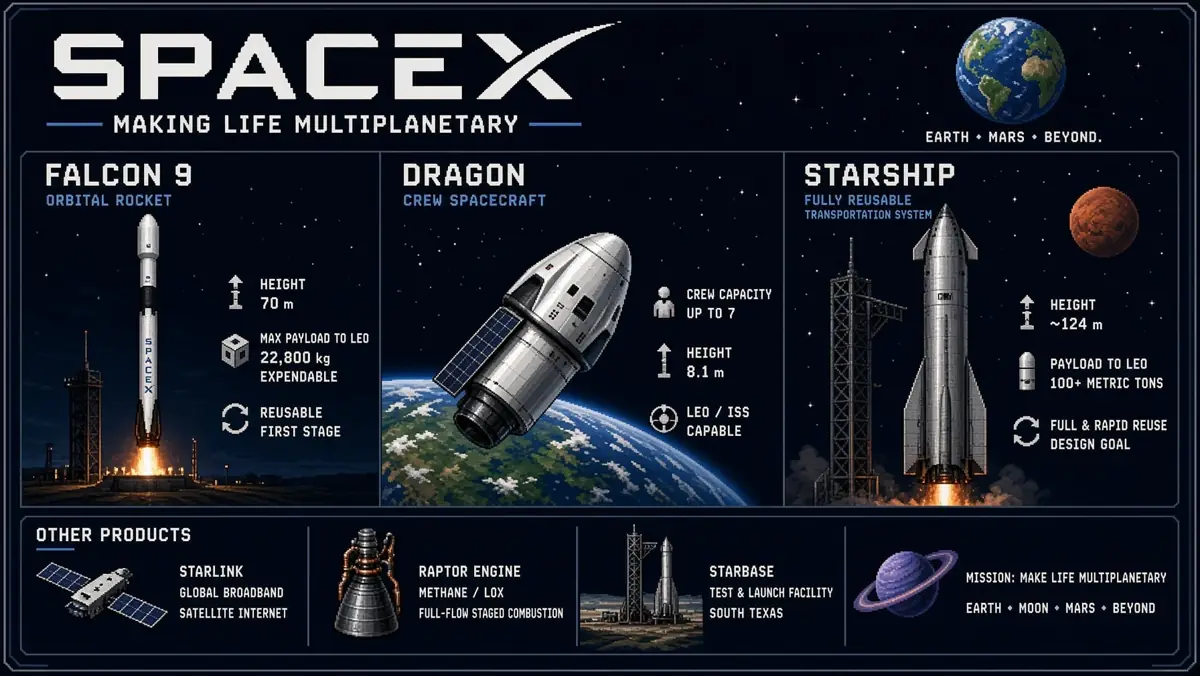
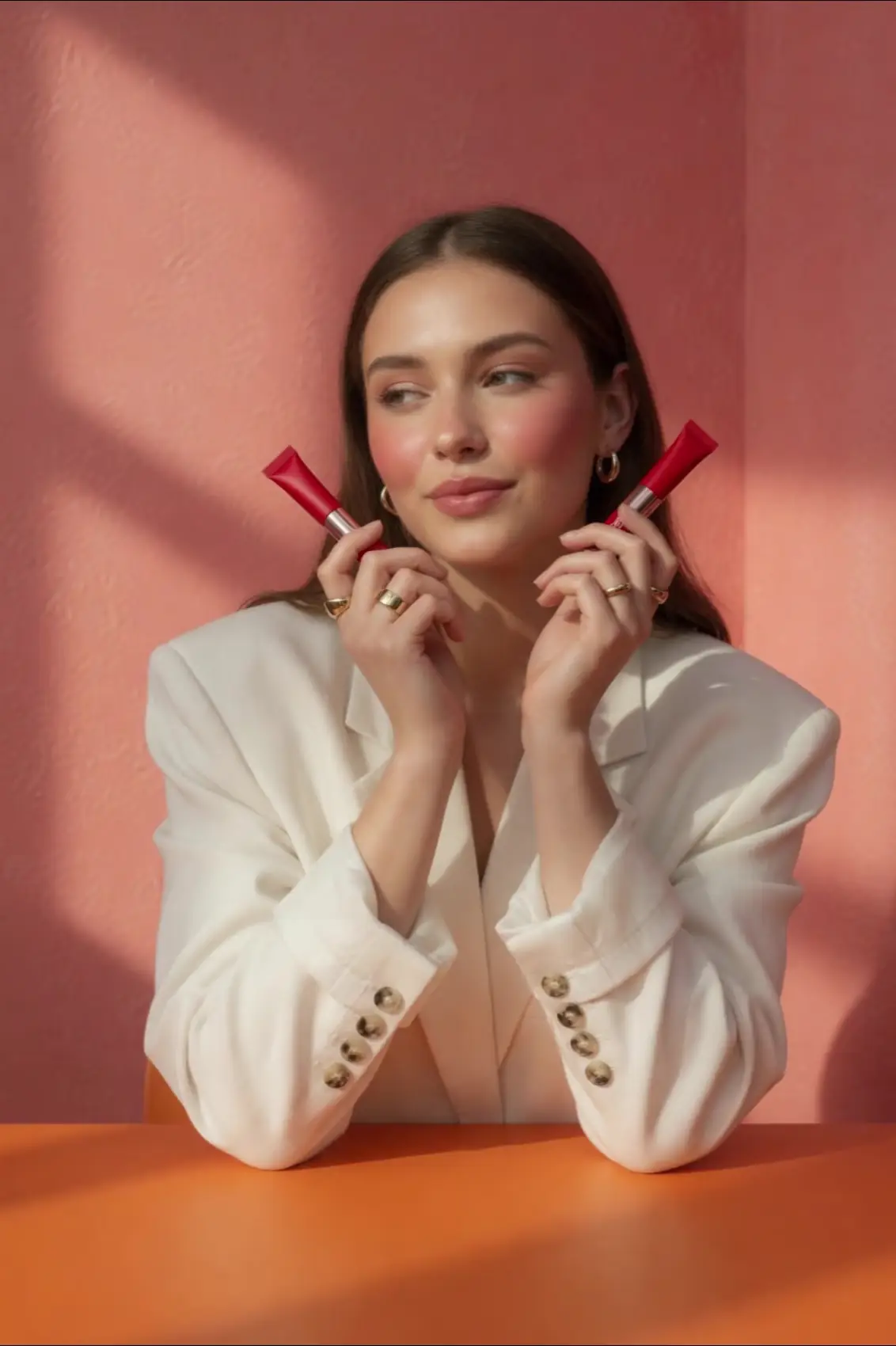
ネットショップ、広告、販促物に使える高品質な商品ビジュアルを生成します。
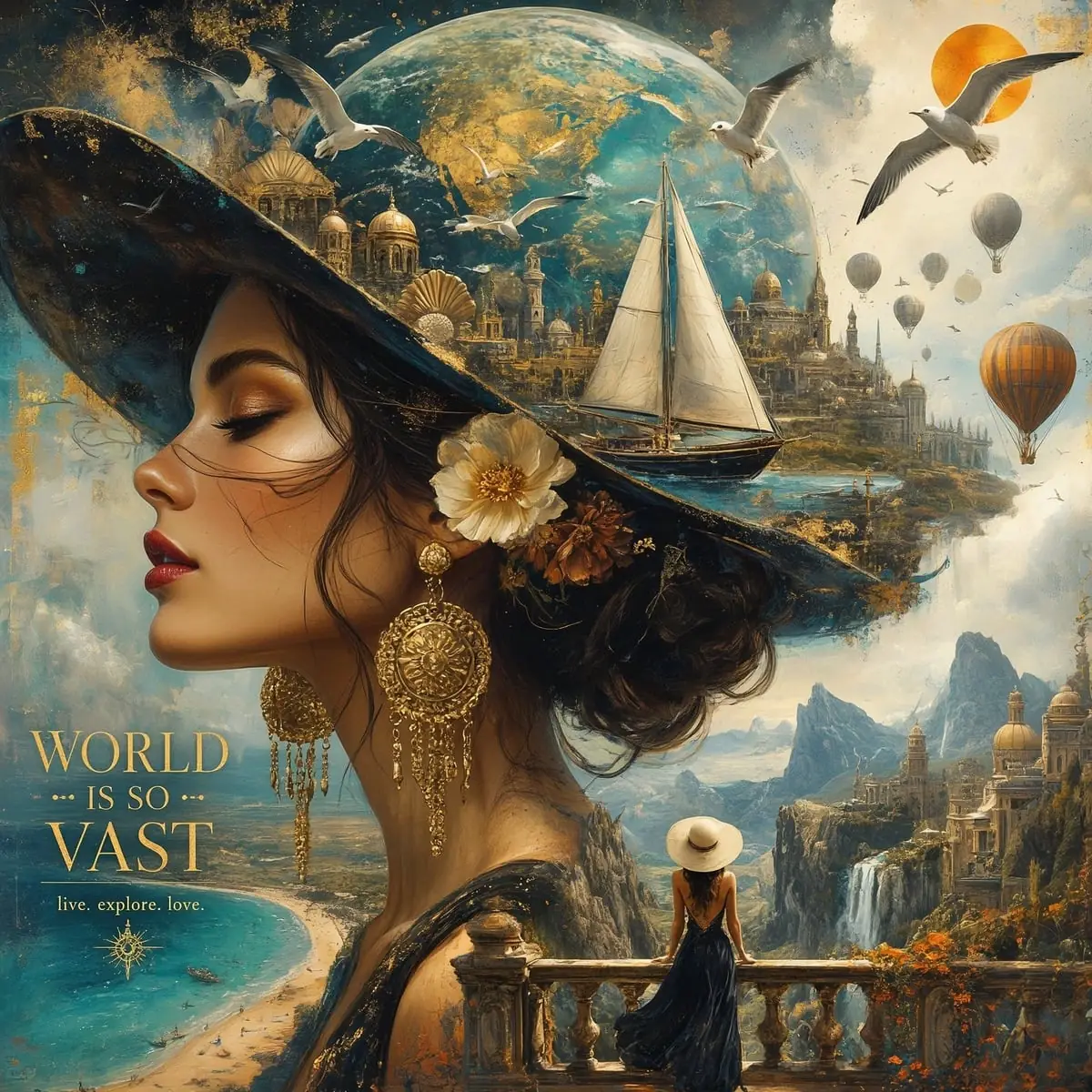
目に留まるビジュアルを用意して、エンゲージメントとブランド認知を伸ばします。
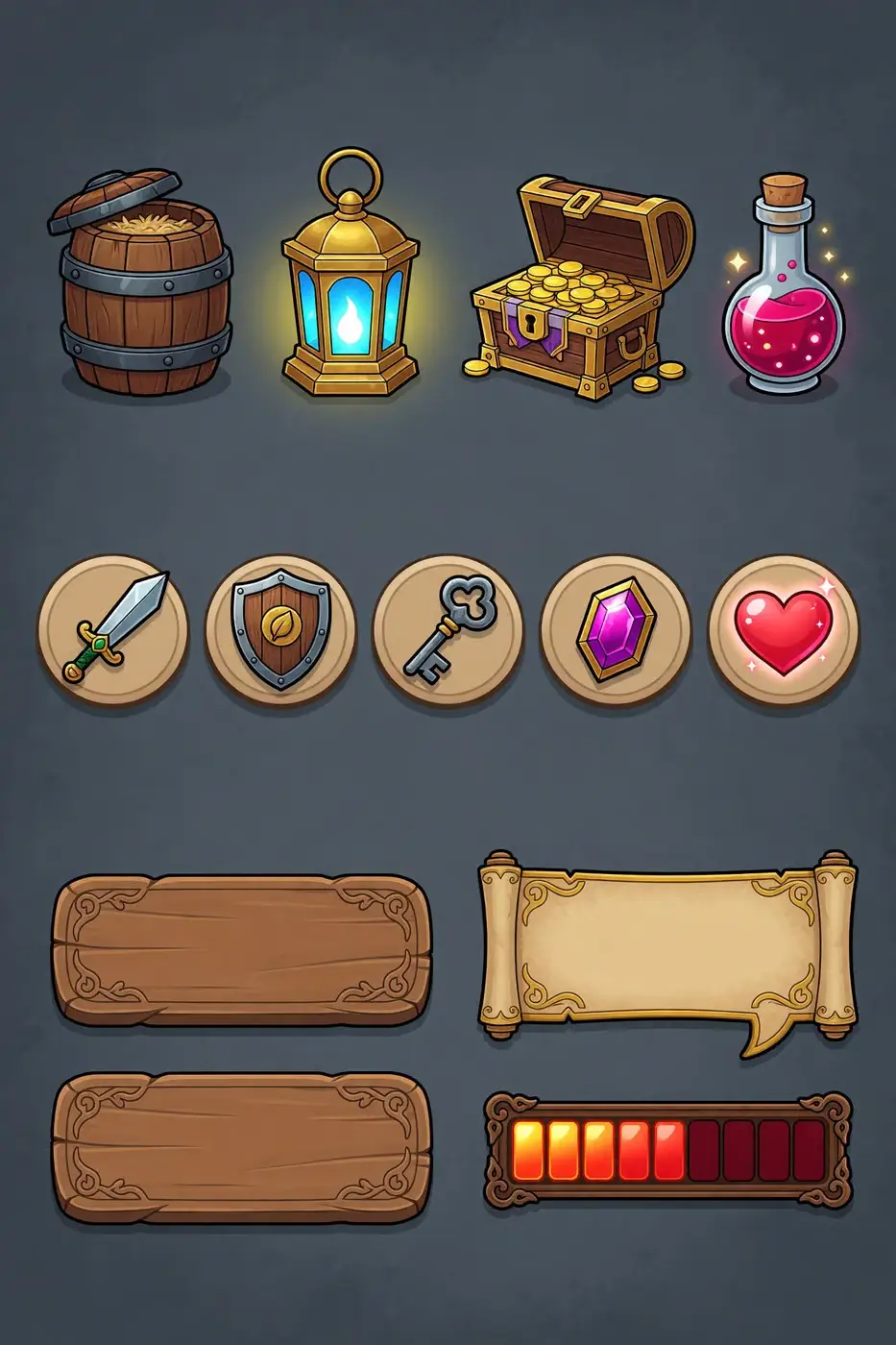
キャラクター、背景、小物のコンセプトアートを起こし、ゲーム開発の立ち上がりを速めます。
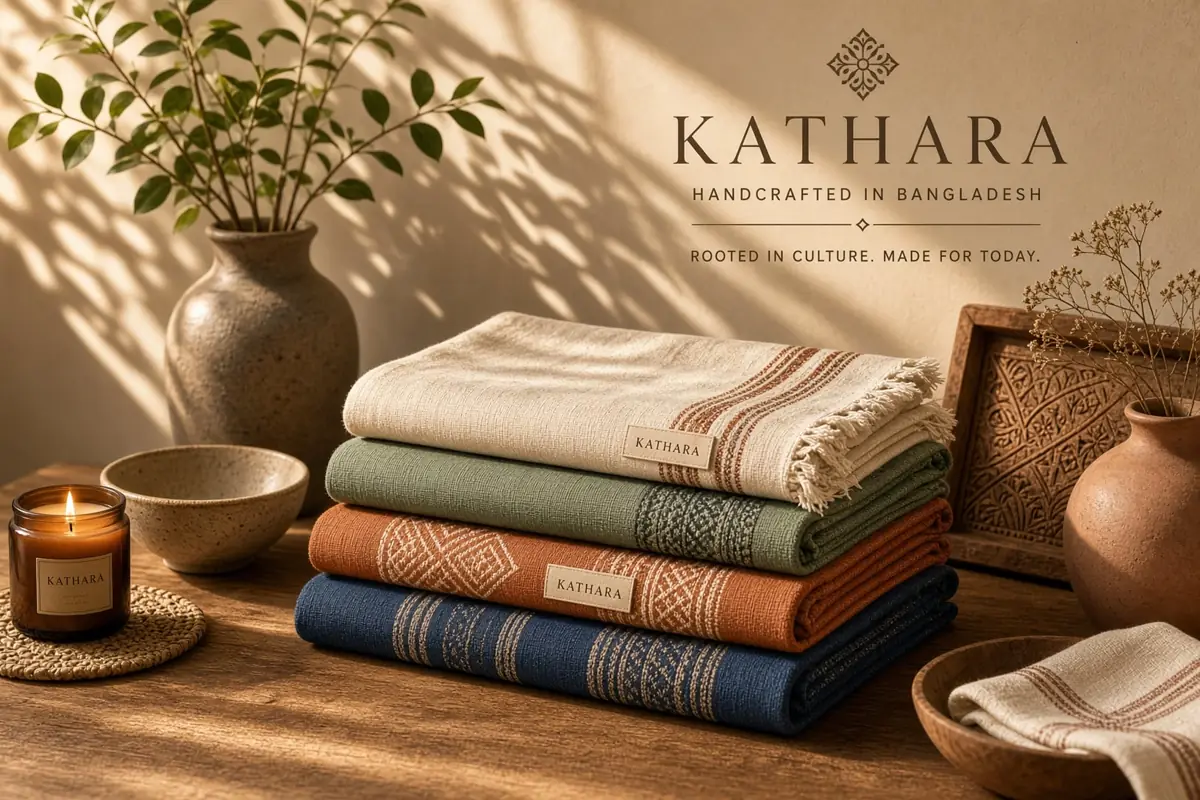
ポスター、バナー、キャンペーン素材を従来のデザイン費のごく一部で用意できます。
Grok Imagine Image 2.0 は APIMODELS 経由で 1K Low: $0.03, 2K Low: $0.04, 1K Medium: $0.045, 2K Medium: $0.06 で利用できます。課金は従量制で、生成した分だけの支払いです。
APIMODELS に登録して API キーを取得し、統一エンドポイントを呼ぶだけです。cURL / Python / Node.js のサンプルを含む詳しいドキュメントを用意しています。
APIMODELS は同じ Grok Imagine Image 2.0 を集約プラットフォーム経由で提供します。統一された API インターフェースなので、プロバイダごとにアカウントを作る必要はありません。キー 1 本ですべてのモデルに届きます。
価格帯は resolution × quality で決まります。1K low $0.03、2K low $0.04、1K medium $0.045、2K medium $0.06(1 枚あたり)。quality は low と medium の 2 値のみで、省略すると medium が適用されます——つまり指定しないことは medium 帯を買うことです。大量の下書きには 1K low、公開する成果物には 2K medium を。参照画像は追加料金なし:xAI は入力画像 1 枚につき $0.01 を課金しますが、当社は転嫁しません。4 帯すべて xAI 公式価格より 25% 安く、2K low は 33% 安くなります。
最大 3 枚です。1 枚なら image_url(または image_base64)、複数なら image_urls に配列で渡し、prompt 内では <IMAGE_0>、<IMAGE_1> のように参照します。4 枚目は黙って捨てられるのではなく、明確なエラーで拒否されます——黙って捨てられると合成が成功したと勘違いしてしまうため、この違いは重要です。参照画像に追加料金はかかりません。編集時に aspect_ratio を省略すると、出力比率は 1 枚目の入力画像に従います。異なる 3 つの物体で実測したところ、3 つとも個別に判別でき、文章から描き直されたものではありませんでした。
14 種類です。1:1、16:9、9:16、4:3、3:4、3:2、2:3、2:1、1:2 に加え、超ワイドの 19.5:9、9:19.5、20:9、9:20、そして auto。超ワイドの 4 種は仕様表の引き写しではなく、実際のチャネルで 1 つずつ実行して確認しています(19.5:9 は 1248×576 が返りました)。編集時に aspect_ratio を省略すると、1 枚目の入力画像の比率に従います。
被写体と場面は保たれますが、構図は描き直されます。実測では、赤いティーポットの写真に「濃紺に」と指示したところ、ポットの形、木目、窓からの光、窓辺の植物、背後の椅子はすべて残り、色だけが変わりました。毎回変わるのは構図です——カメラアングル、トリミング、被写体の大きさが動きます。ピクセル単位の修正ではなく、同じ場面を描き直しているためです。色変え、質感変え、要素の追加・削除、複数参照の合成には最適ですが、「ここだけ変えて他のピクセルは一切触るな」という要件には向きません。
できません。「透明背景・アルファチャンネル」と指示すると、あの灰と白の市松模様を通常のピクセルとして描いてしまいます。返ってくる PNG は RGB で、アルファチャンネルは含まれていません。サムネイルでは切り抜き済みに見えますが、実際は違います。2K の編集と 2K のテキストから画像の両方で試して同じ結果でした。背景除去が必要なら、専用の工程を挟んでください。
2.0 は新世代で、文字組みと複数参照に強みがあります。2K のポスターで見出し・日付行・小さな URL を指定したところ、3 つとも判読でき、一字一句正確に出ました。1 回の呼び出しで参照画像を最大 3 枚まで合成し、4 枚目は黙って捨てずに明確に拒否します。価格も $0.03 からで、Pro の $0.08(1K)/ $0.12(2K)より安価です。Pro は 1.0 エンジンの高精細ティアとして残ります。apimodels.app では両者ともエンドポイントも API キーも共通なので、切り替えは model の文字列 1 つだけです。
APIMODELS では Grok Imagine Image 2.0 が 60 以上のモデルと同じ API キー・同じ残高の上に並んでいるので、選択は「相性」の問題であって「囲い込み」の問題ではありません。Text to Image、Multi-Image Editing (up to 3)、Typography & Layout、14 Aspect Ratios、1K/2K × Low/Medium、From $0.03 に対応しており、他の画像生成モデルと価格・機能を並べて評価できます。乗り換えはモデル名の文字列を 1 つ書き換えるだけ。新しいアカウントも追加の実装も要りません。画像生成の選択肢と最新価格は apimodels.app/models で確認できます。
Grok Imagine Image 2.0 は次に対応しています: Text to Image、Multi-Image Editing (up to 3)、Typography & Layout、14 Aspect Ratios、1K/2K × Low/Medium、From $0.03。パラメータの全一覧と呼び出し例は APIMODELS のドキュメントをご覧ください。
はい。APIMODELS は Grok Imagine Image 2.0 を単一の統一 API とキー 1 本で提供します。プロバイダごとのアカウントも、各社の地域ごとのネットワーク経路を自分で面倒みる必要もありません。
Stripe(Visa、Mastercard などの国際カード)と Alipay に対応しています。支払い後、残高はすぐ反映されます。
Prompts shared by their authors — copy and adapt them. Each one credits its author and links back to the original post.
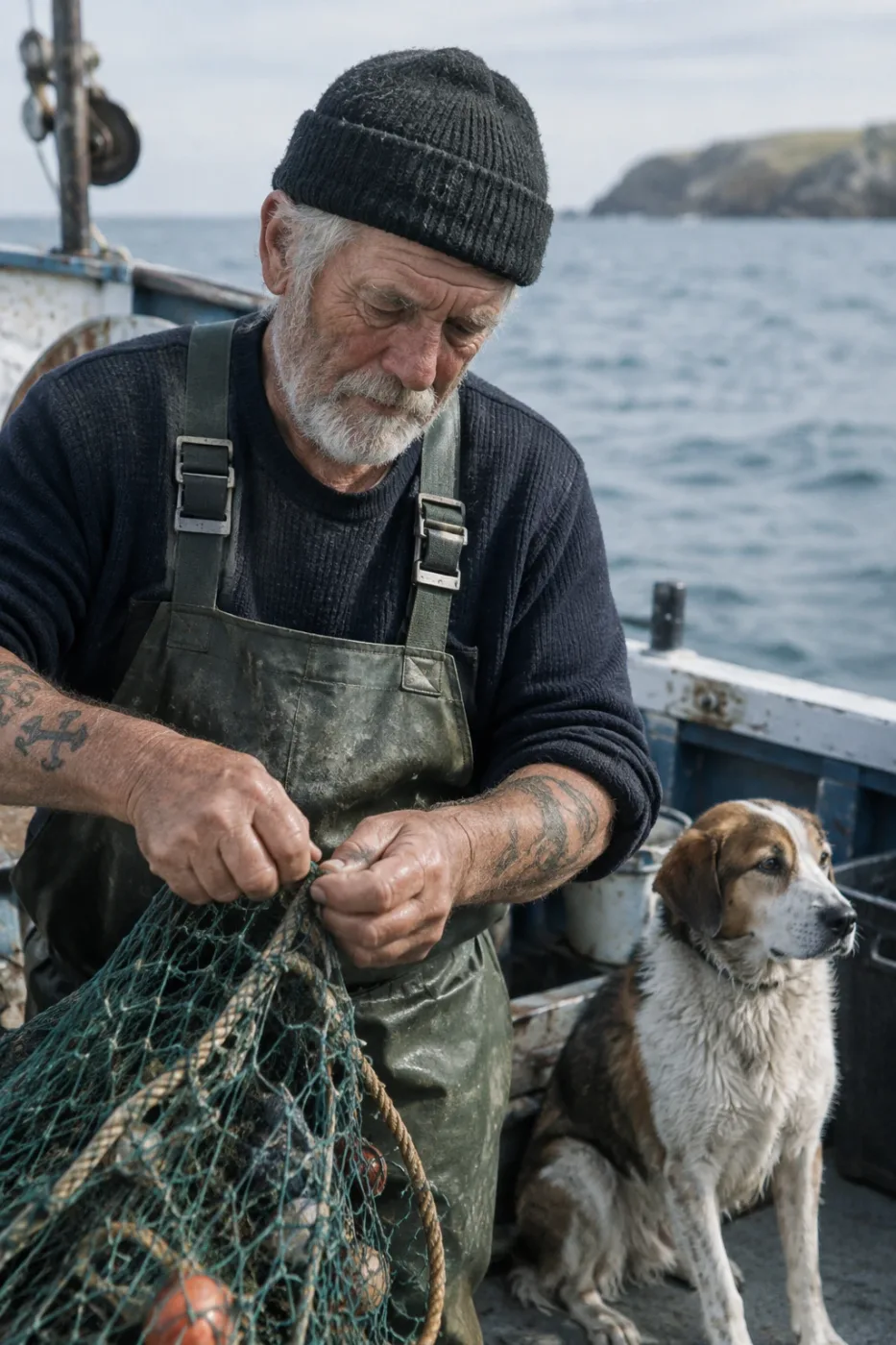
Weathered sailor on a fishing boat
Create a photorealistic candid photograph of an elderly sailor standing on a small fishing boat. He has weathered skin with visible wrinkles, pores, and sun texture, and a few faded traditional sailor tattoos on his arms. He is calmly adjusting a net while his dog sits nearby on the deck. Shot like a 35mm film photograph, medium close-up at eye level, using a 50mm lens. Soft coastal daylight, shallow depth of field, subtle film grain, natural color balance. The image should feel honest and unposed, with real skin texture, worn materials, and everyday detail. No glamorization, no heavy retouching.
by OpenAI
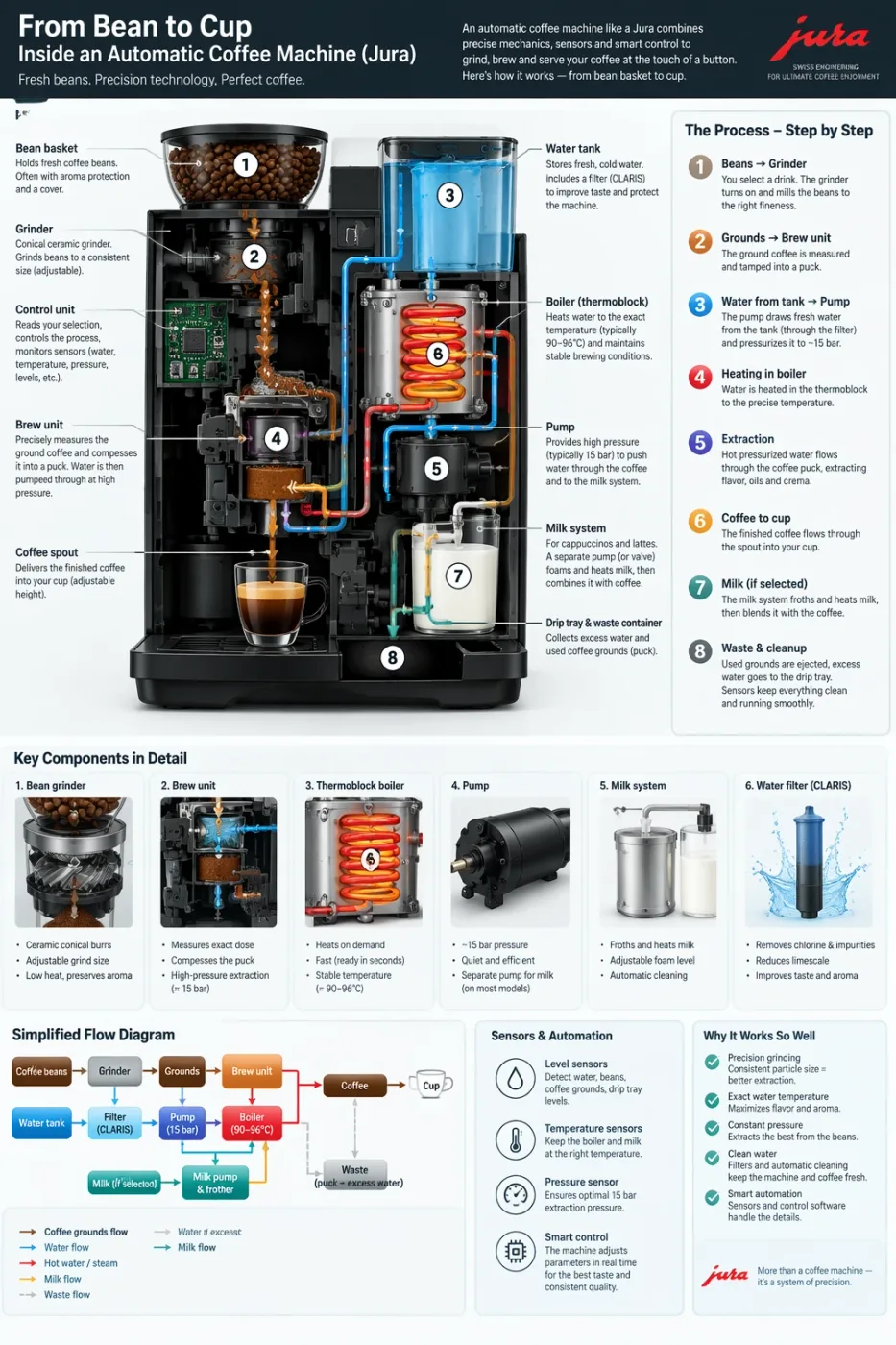
Automatic coffee machine workflow infographic
Create a detailed Infographic of the functioning and flow of an automatic coffee machine like a Jura. From bean basket, to grinding, to scale, water tank, boiler, etc. I'd like to understand technically and visually the flow.
by OpenAI
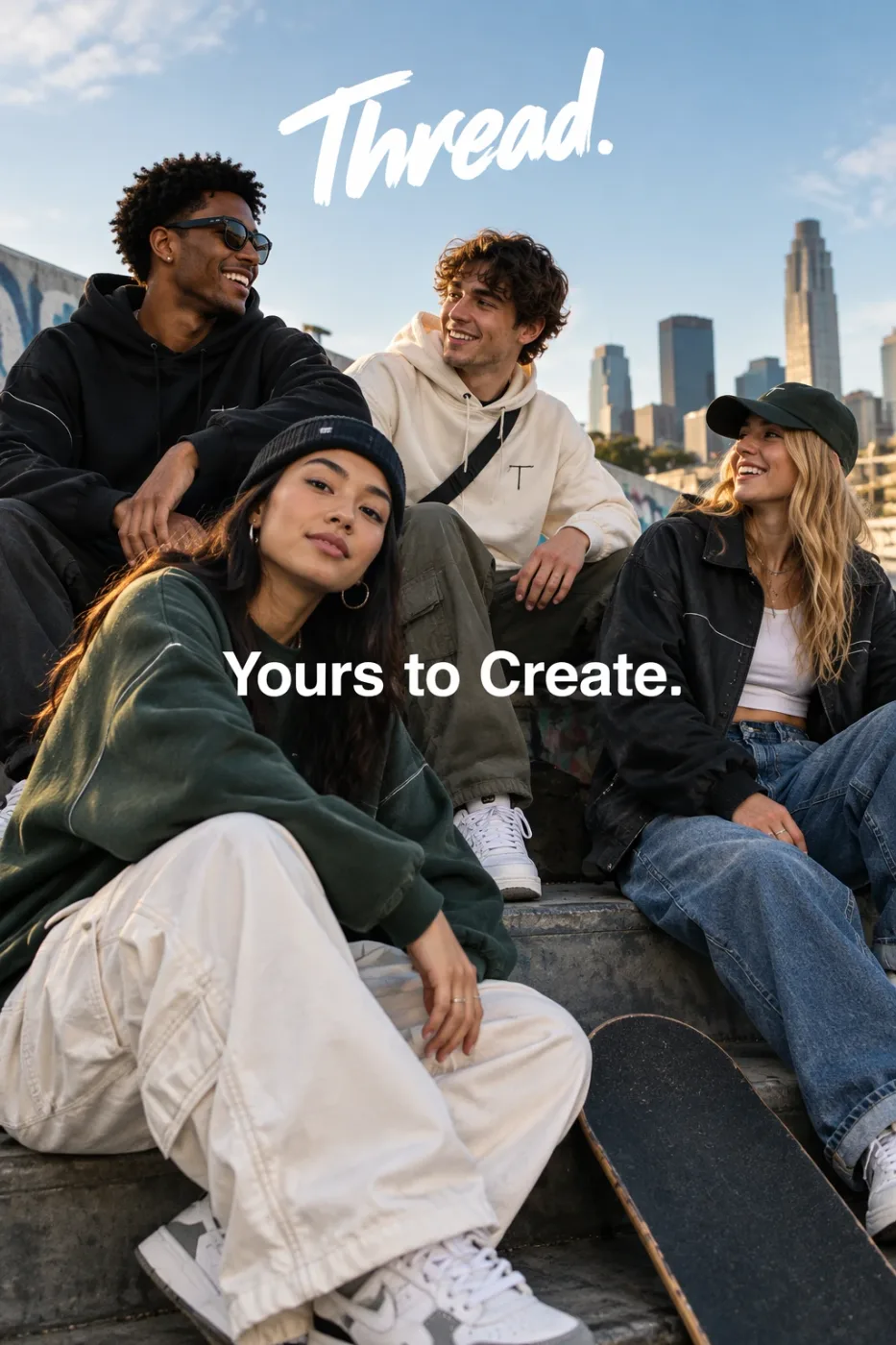
Thread streetwear ad with exact typography
Give me a cool in culture ad / fashion shot for a brand called Thread. It's a hip young street brand. The ad shows a group of friends hanging out together with the tagline "Yours to Create." Make it feel like a polished campaign image for a youth streetwear audience: stylish, contemporary, energetic, and tasteful. Use clean composition, strong color direction, natural poses, and premium fashion photography cues. Render the tagline exactly once, clearly and legibly, integrated into the ad layout. No extra text, no watermarks, no unrelated logos.
by OpenAI
We curate copy-ready prompt libraries — every entry shows its full text and a sample result, ready to adapt.
How to get access, regional availability, and how this model compares with its alternatives.
