
muse-videoMuse Video es el modelo de vídeo de Meta Superintelligence Labs. En APIMODELS es un solo id de modelo, muse-video, en el endpoint unificado de vídeo: envía solo un prompt para texto a vídeo, añade una imagen de primer fotograma y el clip arranca desde esa imagen, o añade hasta cuatro imágenes de referencia y el modelo mantiene a la misma persona o sujeto sin arrancar desde ellas. La petición es breve. prompt es obligatorio (hasta 4000 caracteres, en cualquier idioma). duration fija la duración en segundos enteros de 4 a 30 (también vale el campo seconds al estilo OpenAI); si lo omites, obtienes 5 segundos. aspect_ratio elige 16:9 horizontal (por defecto, 1280×720) o 9:16 vertical (720×1280); size 1280x720 o 720x1280 hace lo mismo. La salida es siempre 720p: no hay opción 1080p ni cuadrada, y pedirlas devuelve un 400 antes de crear ninguna tarea. Para imagen a vídeo, pasa el primer fotograma en image_url (también sirven first_frame_url, image e input_reference), idealmente con la misma orientación que el clip; para imágenes de referencia, pasa hasta cuatro en images (también sirven image_urls y reference_image_urls). Cada imagen es una URL pública o un data URI en base64, en PNG, JPEG o WebP. Es una cosa o la otra: un primer fotograma junto con imágenes de referencia, más de cuatro imágenes de referencia, un último fotograma, vídeo o audio de referencia, negative_prompt, seed y desactivar el sonido se rechazan con un 400. Las duraciones van por escalones. Las peticiones de 5, 6, 8, 10, 15, 20, 25 o 30 segundos vuelven exactamente con esa duración; cualquier otro número entero se redondea hacia arriba al siguiente escalón (4 → 5 s, 7 → 8 s, 11 → 15 s), así que un clip nunca es más corto de lo que pagaste. El vídeo es un MP4 H.264 a 24 fps, y Meta describe Muse Video como un modelo que genera el sonido junto con la imagen. En nuestra prueba con imágenes de referencia, cuatro fotos de una misma mujer dieron un clip de 5 segundos en la playa en el que conservaba la cara y el pelo; el modelo no arrancó desde ninguna de las fotos. Funciona como tarea asíncrona: la creas y después consultas su estado o recibes un callback. Los clips de hasta 10 segundos suelen tardar de uno a dos minutos; los de 15 a 30 segundos, de tres a siete. No todas las peticiones salen bien: el modelo puede rechazar el contenido, una generación puede sufrir un error temporal y un clip con la orientación o la duración equivocadas se descarta; una tarea fallida no se cobra. El precio es de $0.037 por segundo solicitado: 5 s $0.185, 10 s $0.37, 30 s $1.11.
The API also takes any other whole number from 4 to 30; it rounds up to the next length here (7 s comes out as 8 s) and is billed on the seconds you request.
Generated video will appear here
Provide URLs and click Generate
Un solo id de modelo: solo el prompt, un primer fotograma para que el clip arranque desde tu imagen, o hasta cuatro imágenes de referencia para mantener a la misma persona de un clip a otro
Segundos enteros; 5, 6, 8, 10, 15, 20, 25 y 30 s salen exactos, el resto se redondea hacia arriba, así que un clip nunca es más corto de lo que pagas
1280×720 (16:9, por defecto) o 720×1280 (9:16), MP4 H.264 a 24 fps; sin 1080p, sin formato cuadrado ni otras proporciones
Meta describe Muse Video como un modelo que genera el audio a la vez que el vídeo
No todas las peticiones salen bien, y una tarea fallida no se cobra; las duraciones, tamaños o entradas no admitidos se rechazan con un 400 antes de crear la tarea
Se factura por los segundos solicitados: 5 s $0.185, 10 s $0.37, 30 s $1.11
Muse Video es el modelo de vídeo de Meta. Envía solo un prompt, añade una imagen como primer fotograma para que el clip arranque desde ella, o añade hasta cuatro imágenes de referencia para mantener a la misma persona o el mismo elemento, y recibes un MP4 en 720p de 4 a 30 segundos, en horizontal 16:9 o en vertical 9:16.
En APIMODELS es un único id de modelo, muse-video, en POST /v1/video/generations, y se factura a $0.037 por segundo solicitado. Antes de construir sobre él, revisa los límites de abajo: solo 720p, solo horizontal o vertical, un primer fotograma o hasta cuatro imágenes de referencia (no ambas cosas), y no todas las peticiones tienen éxito.
muse-videoTexto a vídeo, sin primer fotograma, 9:16, 10 segundos. Una sola generación, tal como salió.
Una sola petición con el prompt de abajo, duration 10 y aspect_ratio 9:16. Muse Video devolvió en unos 75 segundos un clip de 10,0 segundos a 720×1280 con música, y siguió la lista de acciones en orden y en un único plano: ojos cerrados sobre la almohada, ojos que se abren hacia la cámara, una sonrisa tímida, la manta subida hasta tapar media cara, una V con los dedos casi pegada al objetivo, la mano sobre la boca mientras se ríe contra la almohada y el móvil que se inclina hacia el techo.
Es el tipo de clip que Muse Video resuelve bien: una sola persona, encuadre vertical de selfie con el móvil en la mano, una cadena corta de gestos pequeños y un ambiente creado con luz cálida y tenue y música. Si vuelves a generar el mismo prompt, el resultado será distinto. El texto a vídeo no mantiene la misma cara de un clip a otro; para un personaje recurrente, pasa hasta cuatro imágenes de referencia suyas (images): el modelo mantiene la cara sin arrancar desde la imagen.
主体:人物是明月(我的固定角色),穿奶白低领细肩吊带;头发被枕头压乱,多缕发丝横过脸部。从闭眼侧躺开始,再睁眼互动。全程同一张脸、同一套衣服。

场景:夜间卧室床上,白被子白枕头,暖色床头灯。她自己拿手机前置超近距自拍,头到上胸几乎占满竖屏,腰腹和下半身不入画。手腕轻轻晃,构图略歪;一镜到底,不切镜。

音乐:轻甜 bedroom pop 器乐,约 90 BPM。无台词、无说话口型。配乐里不要人声和笑声。

动作:侧脸贴枕闭眼浅笑 → 慢慢睁眼锁定镜头 → 下巴抵肩害羞抿嘴笑 → 拉起白被子挡住半张脸再拉开 → 空着手从上胸前伸向镜头,V 手势几乎贴住镜头再收成夹捏/小爱心 → 握拳挡嘴害羞偷笑,把脸埋进枕头 → 手机一歪甩向天花板。实时速度。

画质:故意拍糊,手持动态模糊和局部失焦,暖色低照度,10 秒竖屏。18 clips, cada uno una petición de 10 segundos con dos imágenes de referencia. Tal como salieron; abre cualquier tarjeta para ver el prompt exacto.
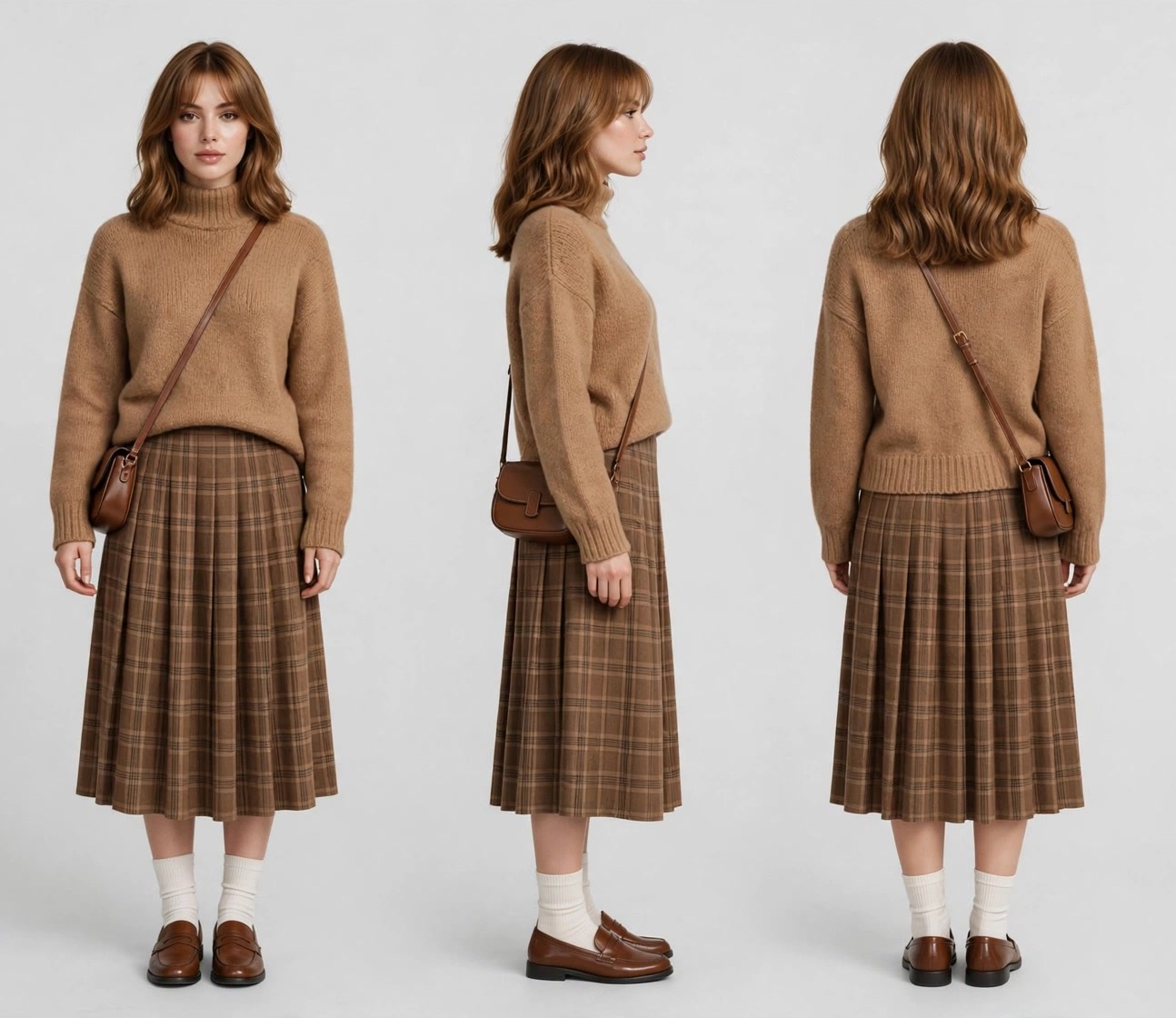
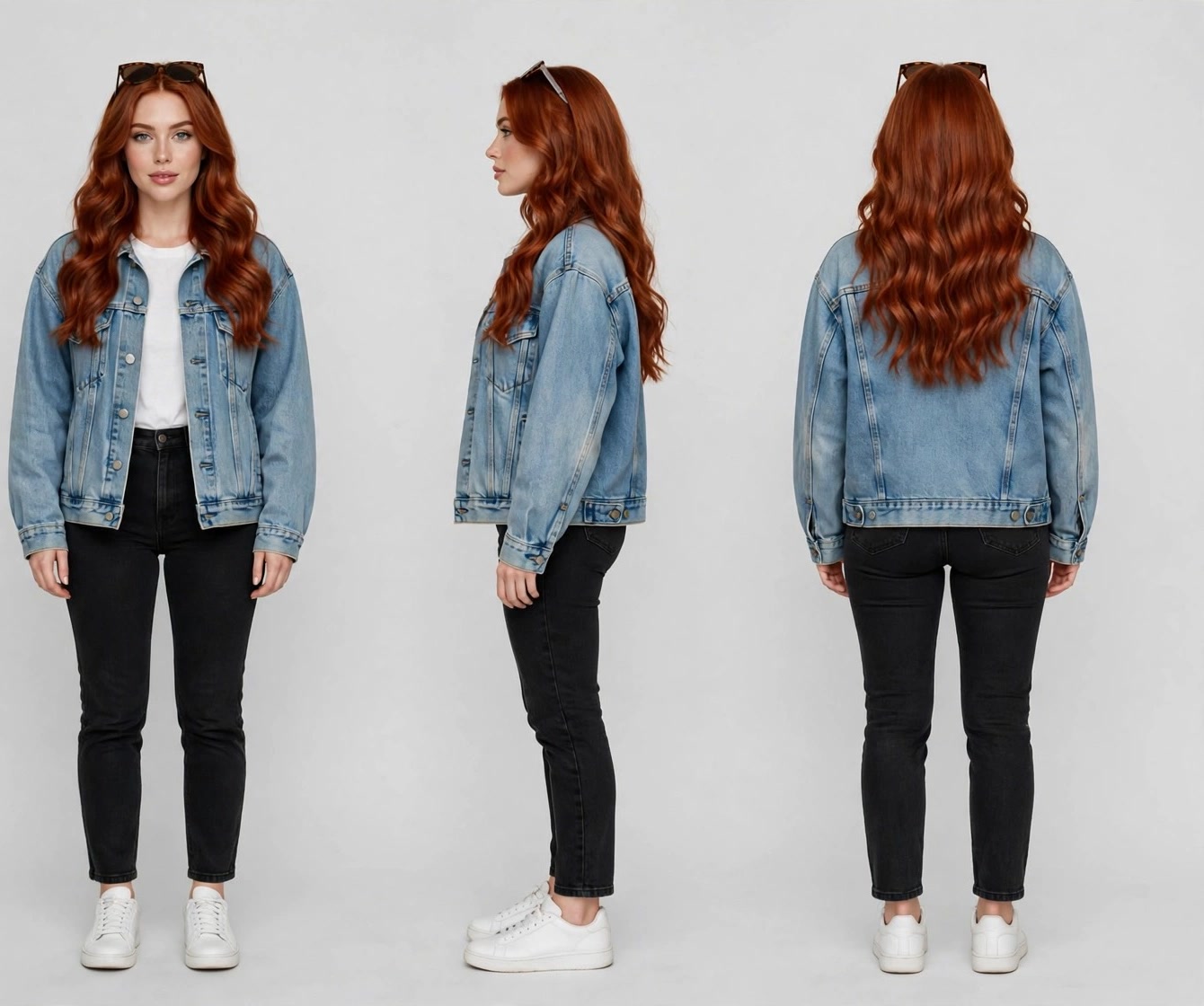
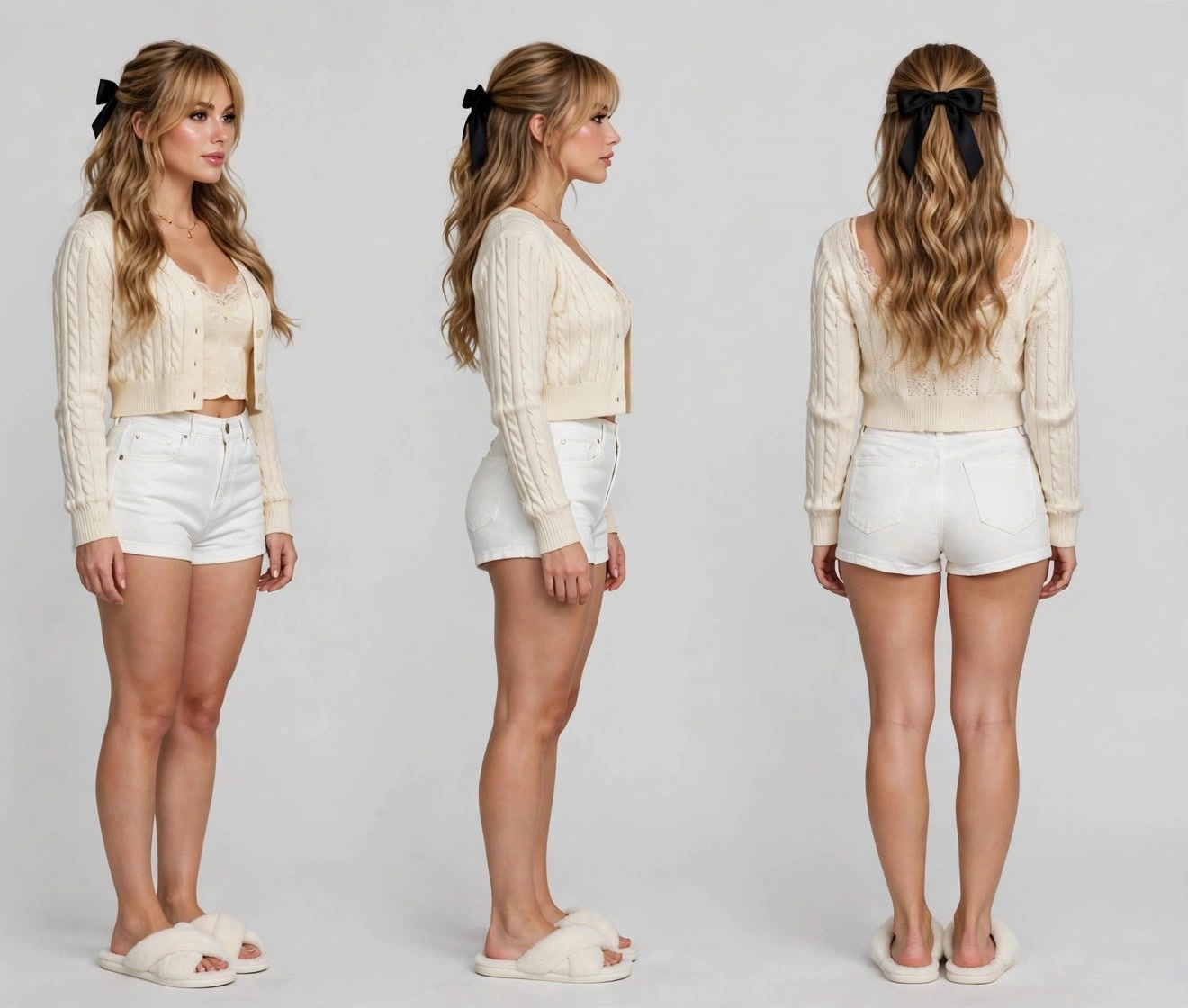
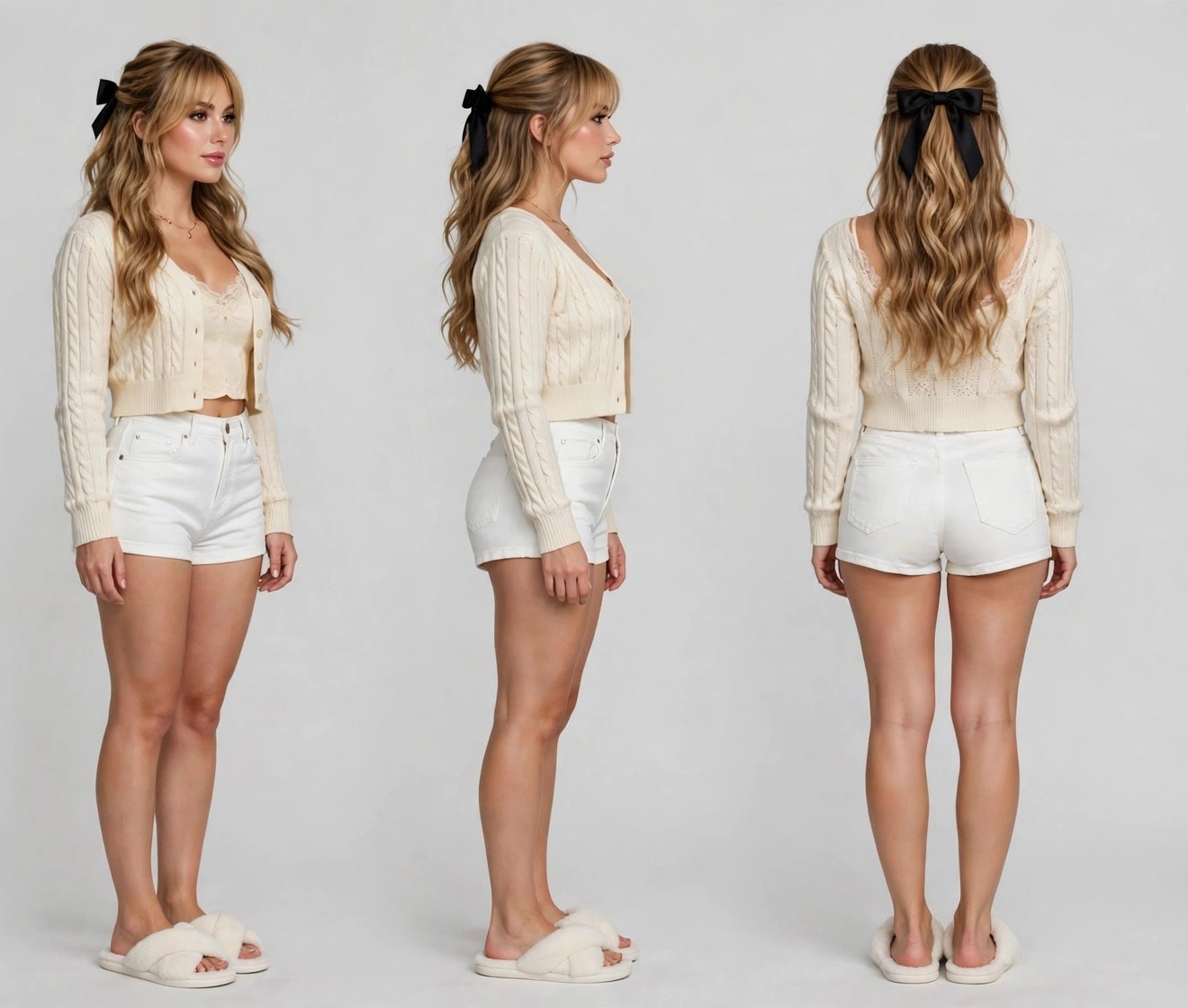
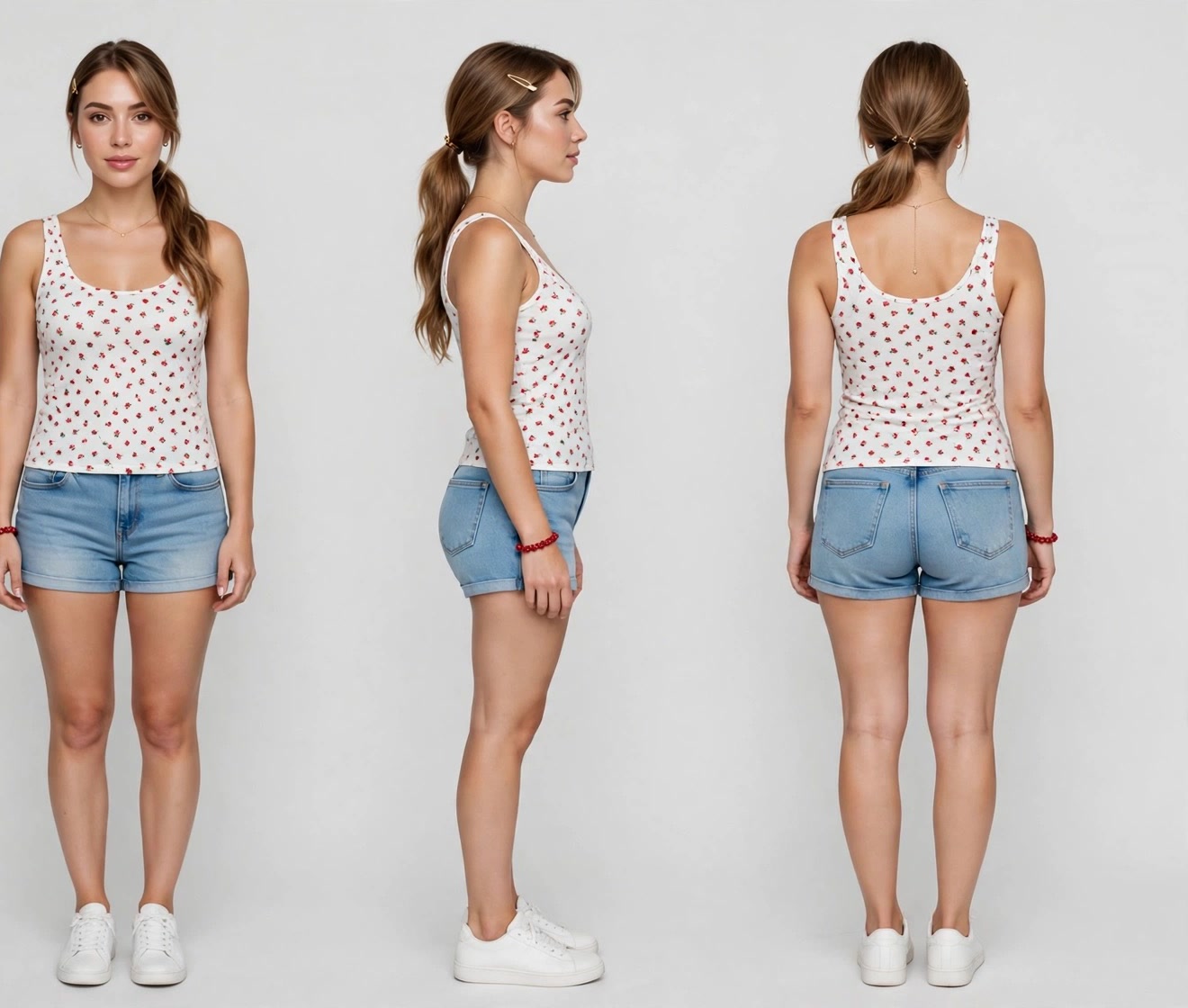
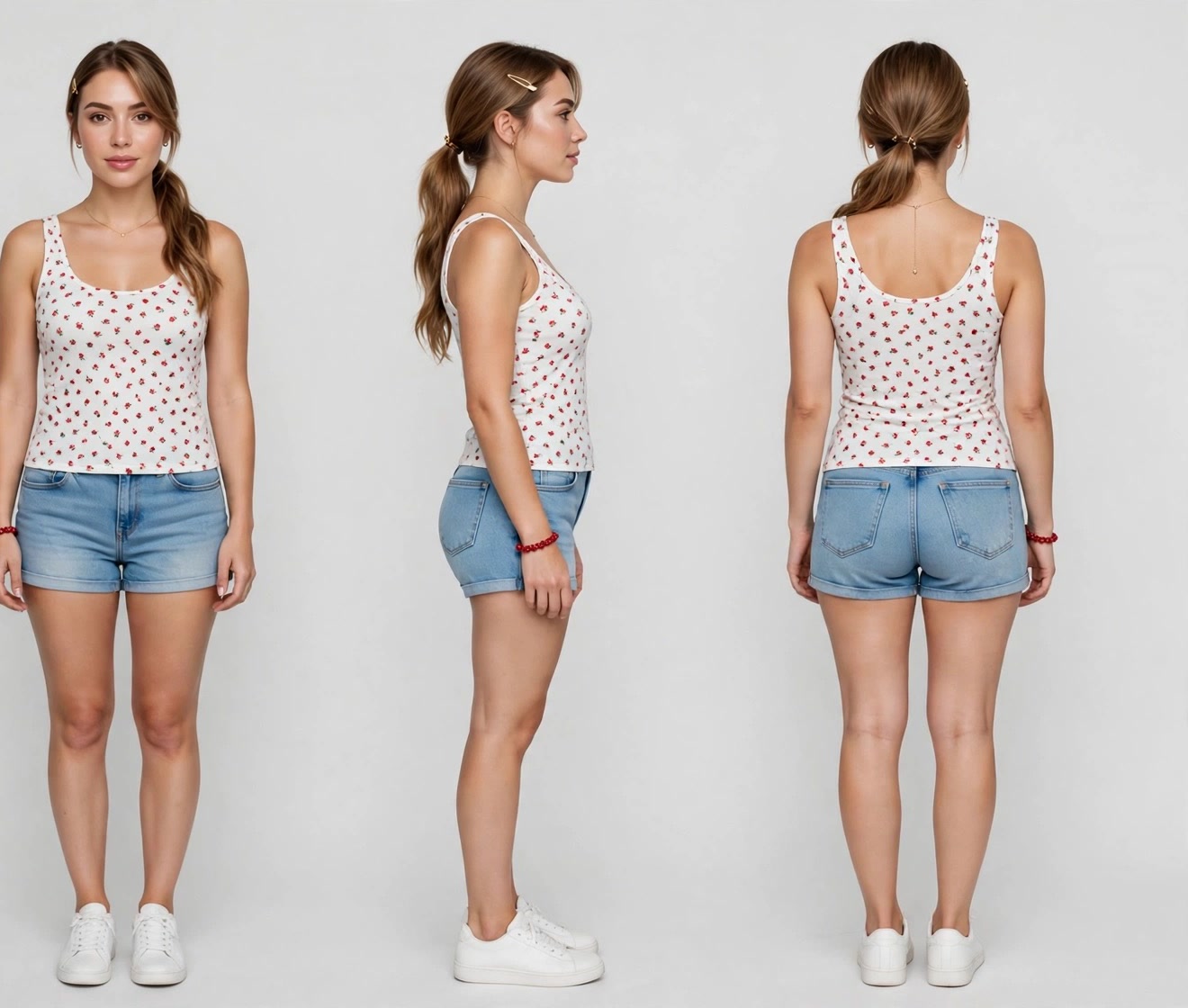
Cómo se hicieron: para cada personaje generamos con Muse Image una hoja de personaje (un retrato junto a vistas de frente, perfil y espalda), la recortamos en dos imágenes y las enviamos como imágenes de referencia (images) con un prompt de 10 segundos en 9:16; el vlog de cocina es 16:9. Los prompts describen la acción segundo a segundo, con ropa que no deja ver de más, y le dan una frase corta en inglés. La cara y la ropa se mantienen de un plano a otro, y una segunda toma del mismo prompt (las parejas A / B) muestra cuánto varía cada generación. Tres de los prompts están adaptados de prompts compartidos en X, con el crédito en la tarjeta.
Took you long enough. I already ordered yours.Imágenes de referencia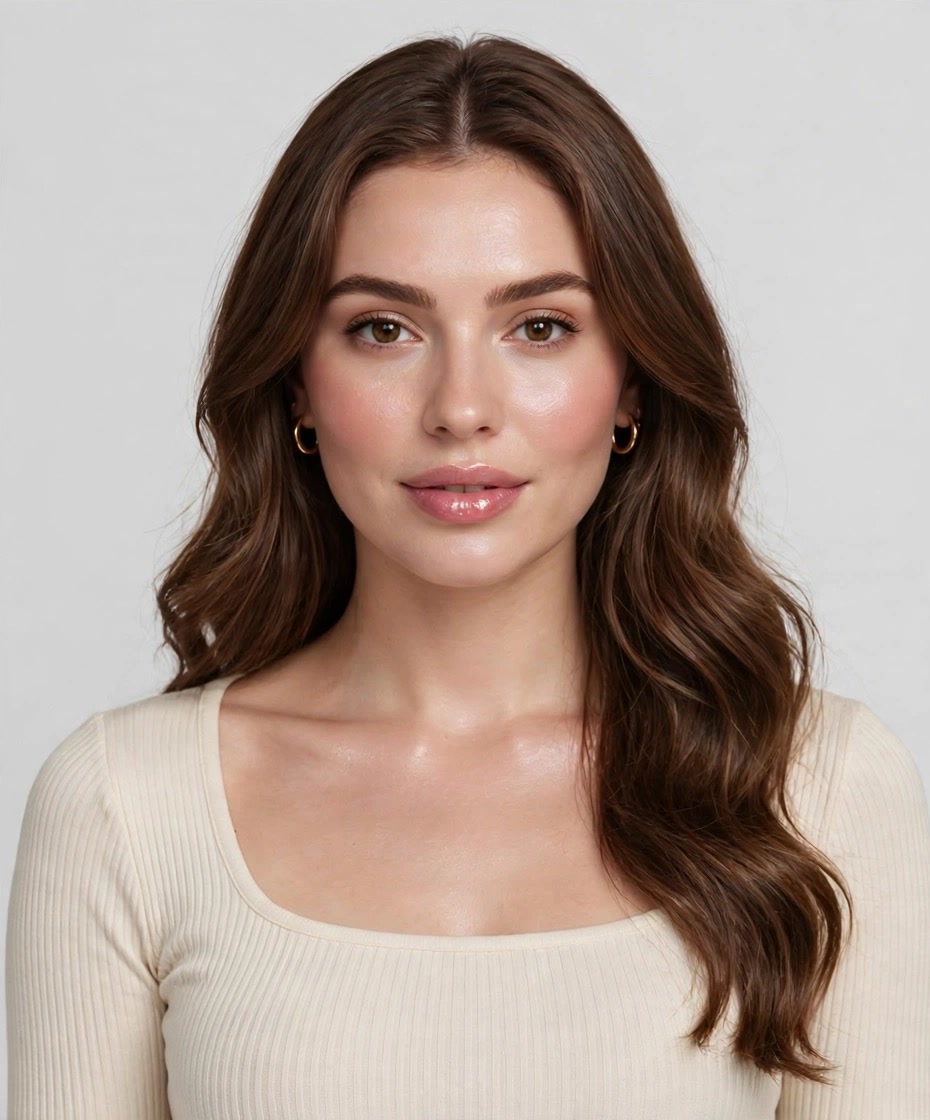
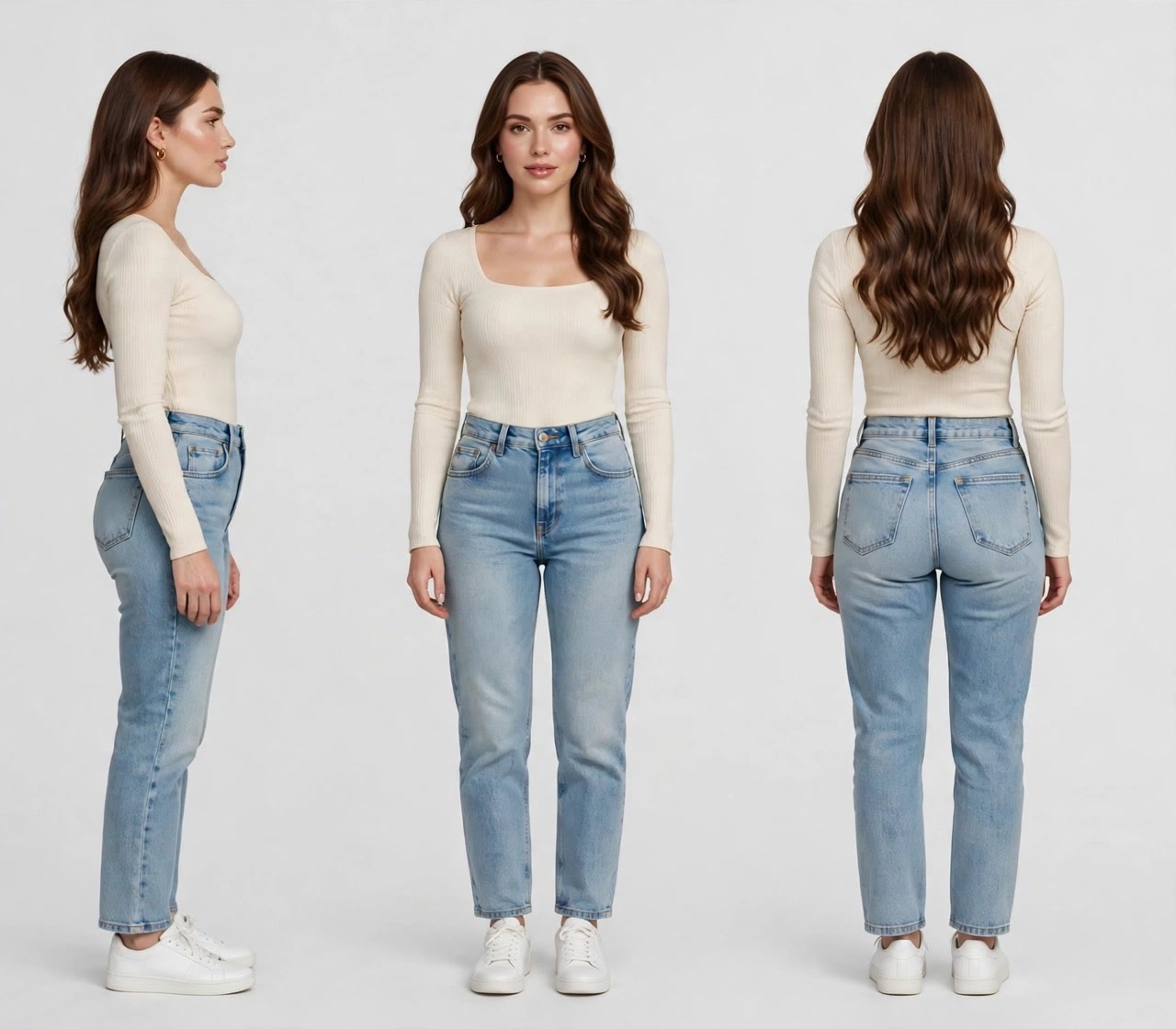
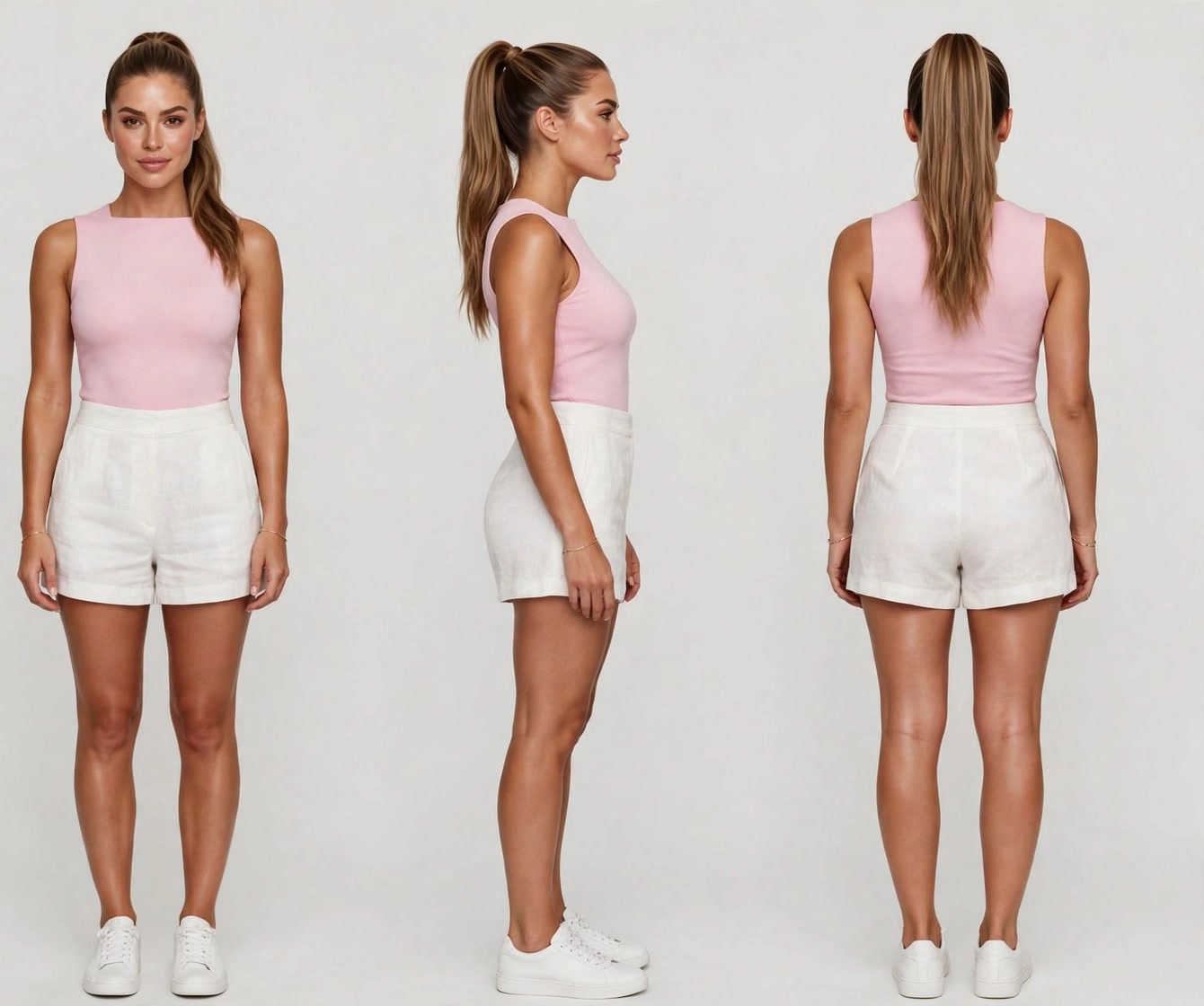
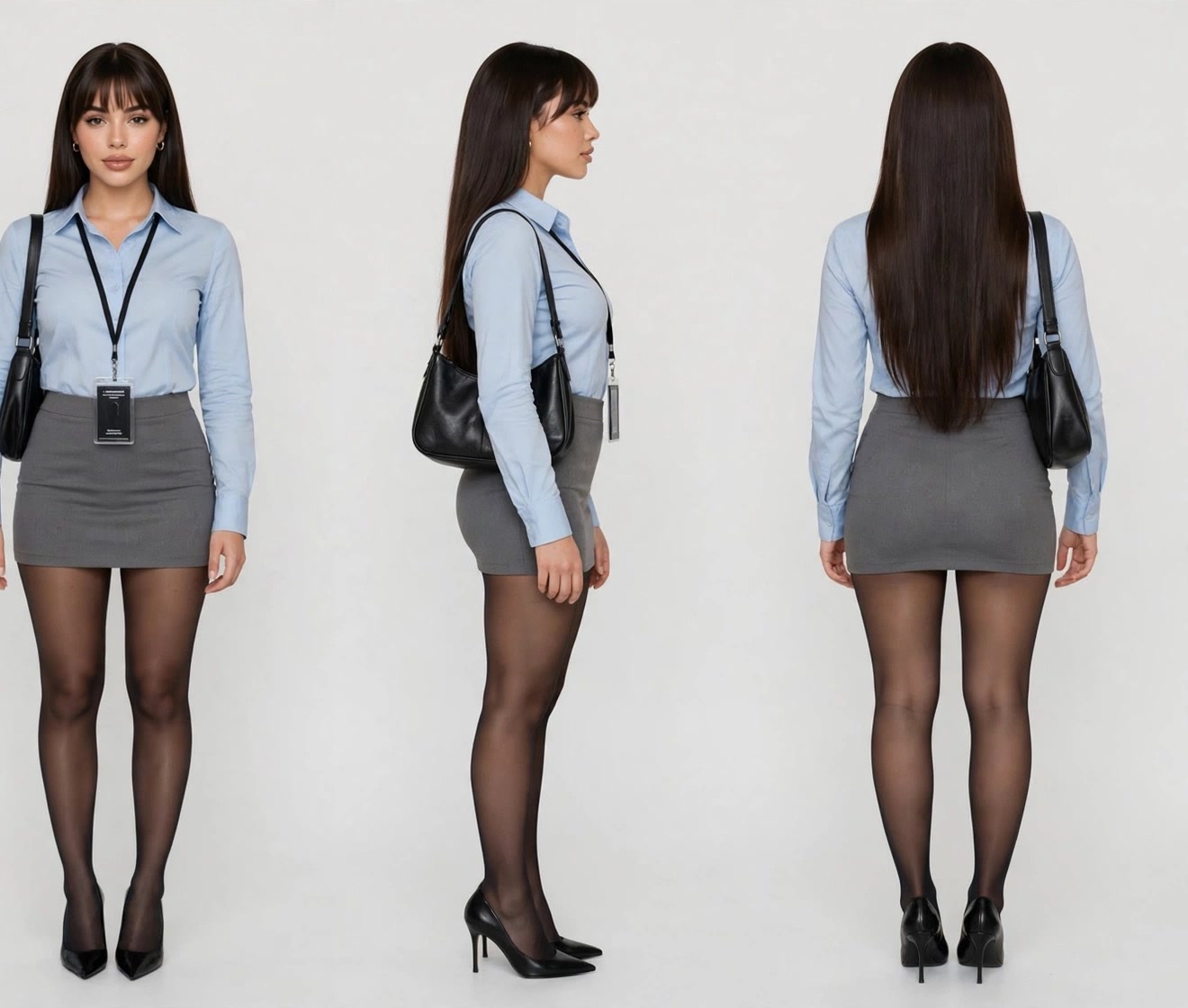
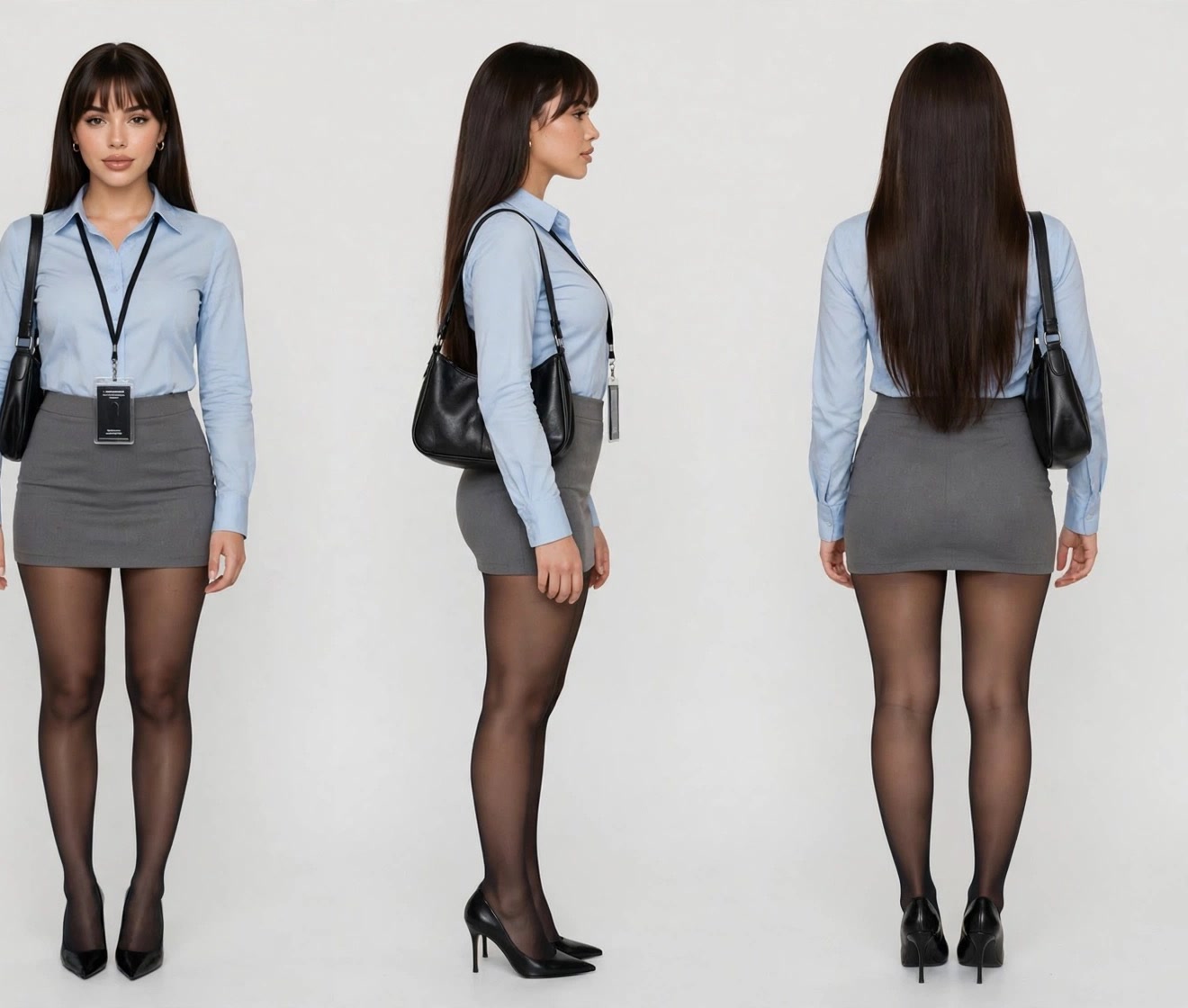
Reference images: image 1 is her headshot (face, features, hair, makeup); image 2 is a front / side / back three-view of the same woman (outfit, accessories, shoes, body). Keep exactly this face, hair and outfit in every frame. She is a 25-year-old woman with a polished Instagram look.

Coffee date. Scene: a sunny corner café, window seat, a small wooden table with two iced oat lattes, soft morning light through the window, the street blurred outside, a few customers far in the background.
Camera: the viewer's point of view, sitting across the table from her, eye level, one continuous take, no cuts.
0.0–1.5 s: she rests her chin on one hand and stirs her latte with the straw, looking down with a small smile.
1.5–3.0 s: she looks up into the lens, raises one eyebrow and her smile widens.
3.0–5.0 s: she says, warm and teasing: "Took you long enough. I already ordered yours." and slides the second latte toward the camera with two fingers.
5.0–7.0 s: she tucks a strand of hair behind her ear and leans forward a little on her elbows, holding eye contact, with a soft laugh.
7.0–8.5 s: she taps the table twice and tilts her head toward the empty chair, inviting the viewer to sit.
8.5–10.0 s: she sips her latte and keeps looking into the lens over the straw, eyes smiling, until the end.
Mood: warm, playful, confident, friendly; natural eye contact, nothing exaggerated.
Lighting: soft warm daylight, gentle highlights in her hair, realistic skin texture.

Audio: soft acoustic café music and light café ambience; her line is clear, natural American English; no other voices, no laugh track.
Style: realistic Instagram Reel shot on an iPhone, vertical 9:16, natural colors, crisp focus on her face, gentle handheld motion.
Avoid: changing her face or outfit, revealing or low-cut clothing, see-through fabric, extra fingers, warped hands, strangers staring at the camera, on-screen text, subtitles, watermark.Come on, the sun's going down!Imágenes de referencia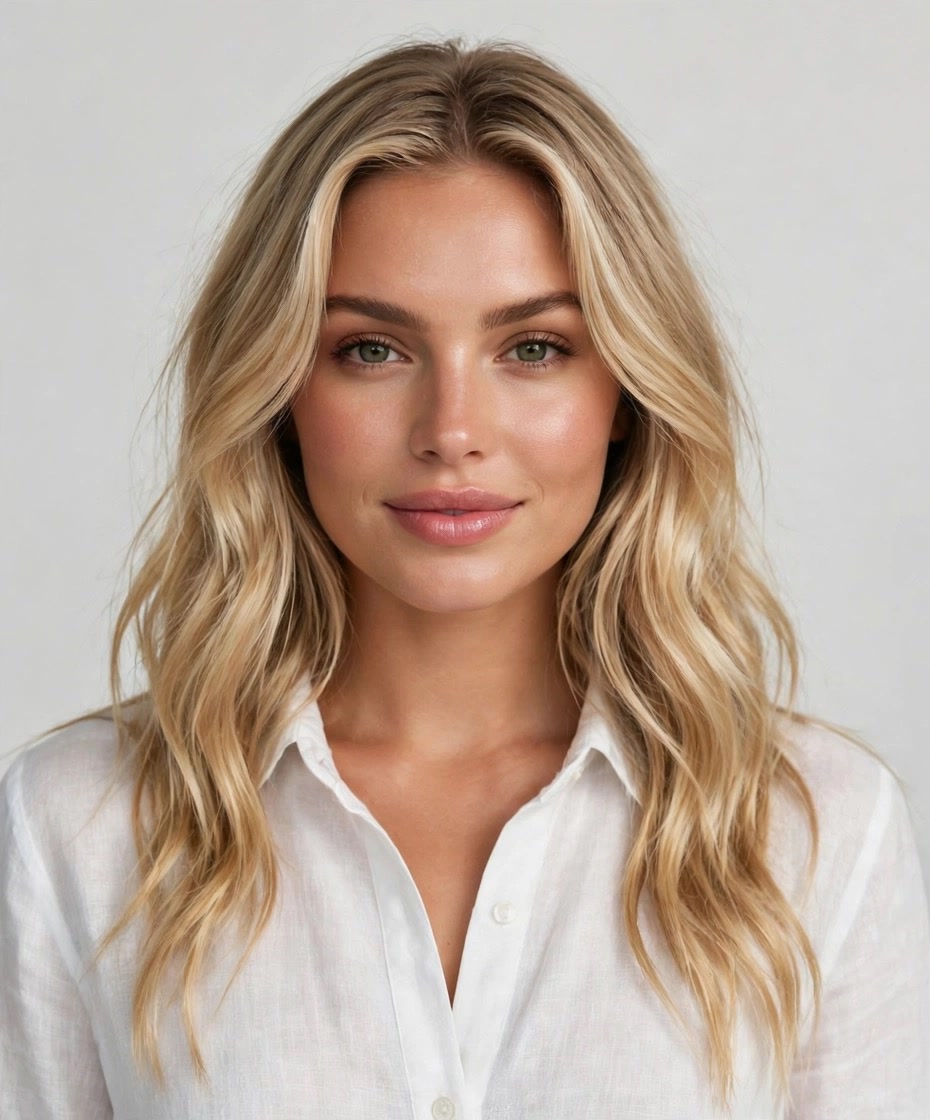
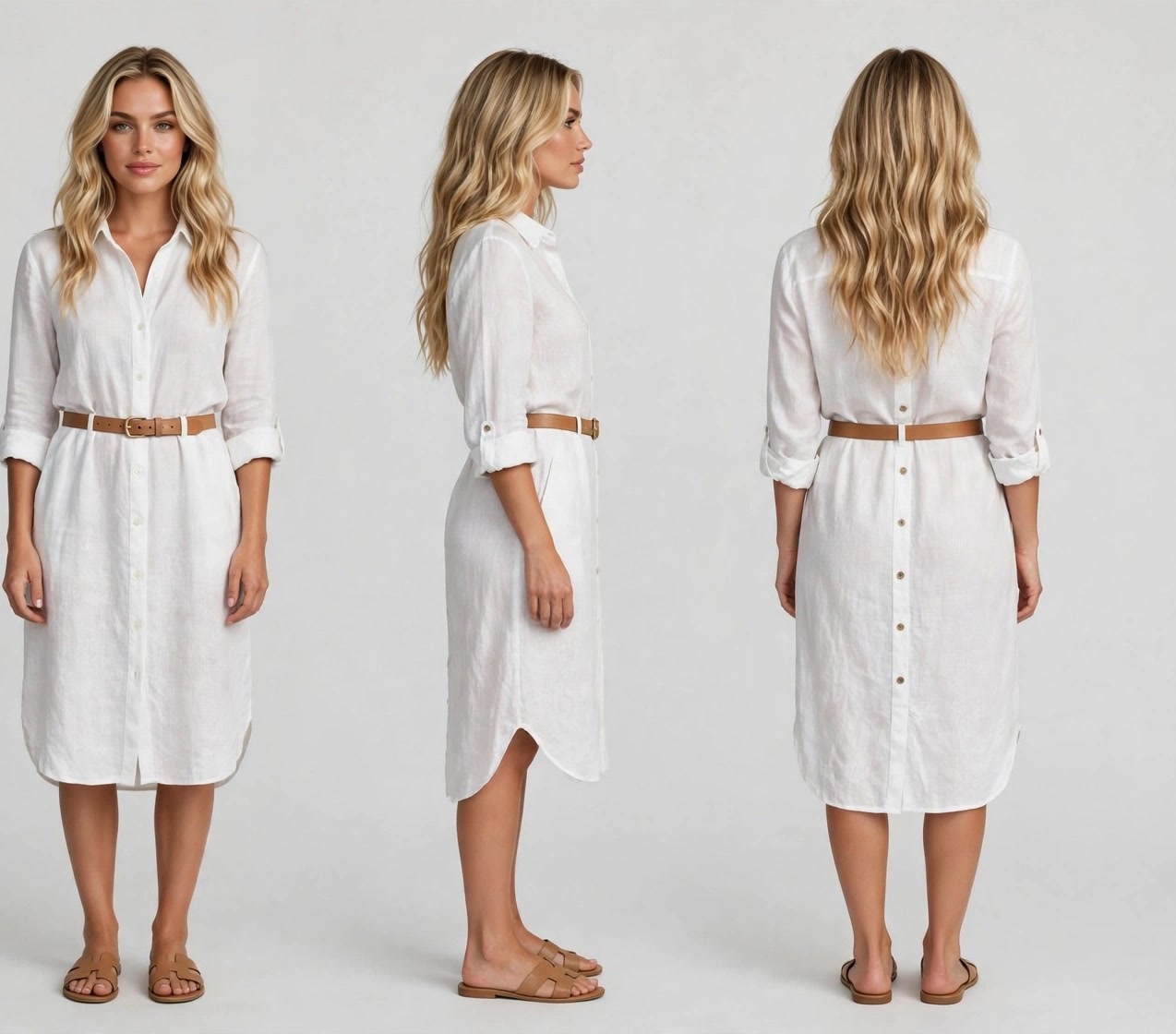
Reference images: image 1 is her headshot (face, features, hair, makeup); image 2 is a front / side / back three-view of the same woman (outfit, accessories, shoes, body). Keep exactly this face, hair and outfit in every frame. She is a 25-year-old woman with a polished Instagram look.

Golden hour beach. Scene: a wide sandy beach at sunset, gentle waves, the sun low over the ocean, footprints in wet sand, a light sea breeze.
Camera: the viewer walking a few steps behind her, one continuous take, smooth natural movement.
0.0–2.0 s: she walks barefoot along the waterline away from the camera, sandals hanging from one hand, the breeze moving her hair and the hem of her shirt dress.
2.0–3.5 s: she slows down and looks back over her shoulder at the lens with a bright smile.
3.5–5.5 s: she turns around, walks backwards for a few steps and reaches one hand toward the camera, palm up, saying: "Come on, the sun's going down!"
5.5–7.5 s: the camera moves closer; she laughs and pushes her windblown hair off her face, eyes on the lens.
7.5–9.0 s: she takes a little splash step in the shallow water and glances back with a playful grin.
9.0–10.0 s: she stops and faces the camera with the sunset behind her, tilts her head and smiles softly, holding eye contact.
Mood: carefree, warm, inviting, romantic but natural.
Lighting: golden backlight, soft lens flare, warm skin tones, rim light on her hair.

Audio: dreamy indie pop music with soft waves and wind; her line is clear, natural American English; no other voices, no laugh track.
Style: realistic Instagram Reel shot on an iPhone, vertical 9:16, natural colors, crisp focus on her face, gentle handheld motion.
Avoid: changing her face or outfit, revealing or low-cut clothing, see-through fabric, extra fingers, warped hands, strangers staring at the camera, on-screen text, subtitles, watermark.Have you read this one?Imágenes de referencia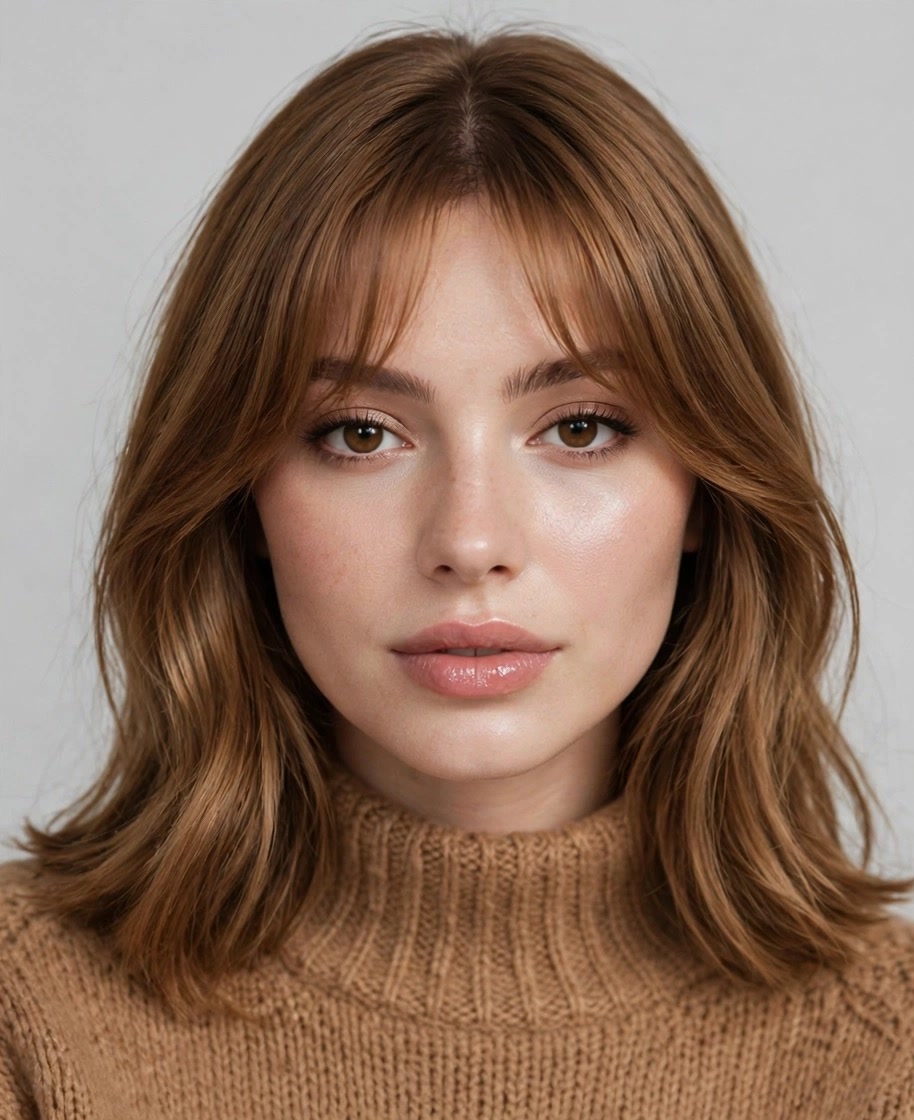
Reference images: image 1 is her headshot (face, features, hair, makeup); image 2 is a front / side / back three-view of the same woman (outfit, accessories, shoes, body). Keep exactly this face, hair and outfit in every frame. She is a 25-year-old woman with a polished Instagram look.

Bookstore. Scene: a cozy independent bookstore, tall wooden shelves, warm reading lamps, a rolling ladder, soft afternoon light, a few customers far in the background.
Camera: the viewer standing in the aisle facing her, one continuous take, a slow push-in.
0.0–1.5 s: she peeks out from behind the end of a bookshelf, only half her face visible, eyes on the lens.
1.5–3.0 s: she steps out holding a book up so it covers her nose and mouth, her eyes smiling above it.
3.0–4.5 s: she slowly lowers the book to reveal a playful smile.
4.5–6.5 s: she taps the cover and whispers: "Have you read this one?"
6.5–8.0 s: she leans her shoulder against the shelf, hugging the book to her chest, and tilts her head.
8.0–10.0 s: she bites back a smile, glances down, then looks up again through her lashes and holds eye contact.
Mood: sweet, curious, playful, intimate but wholesome.
Lighting: warm tungsten lamps, soft window light, cozy amber tones.
Book covers stay plain, with no readable text.

Audio: soft piano and acoustic guitar music with a quiet bookstore ambience; her line is clear, natural American English; no other voices, no laugh track.
Style: realistic Instagram Reel shot on an iPhone, vertical 9:16, natural colors, crisp focus on her face, gentle handheld motion.
Avoid: changing her face or outfit, revealing or low-cut clothing, see-through fabric, extra fingers, warped hands, strangers staring at the camera, on-screen text, subtitles, watermark.Mine's better.Imágenes de referencia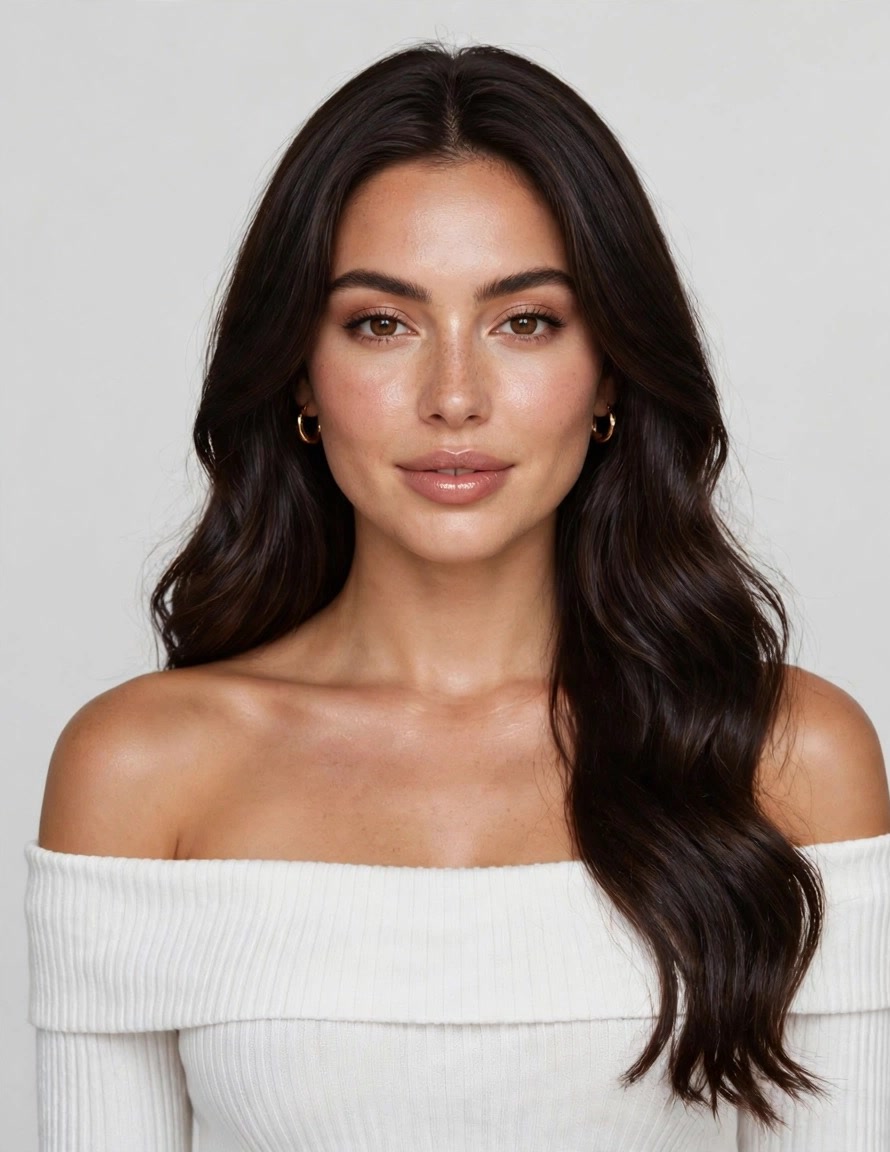
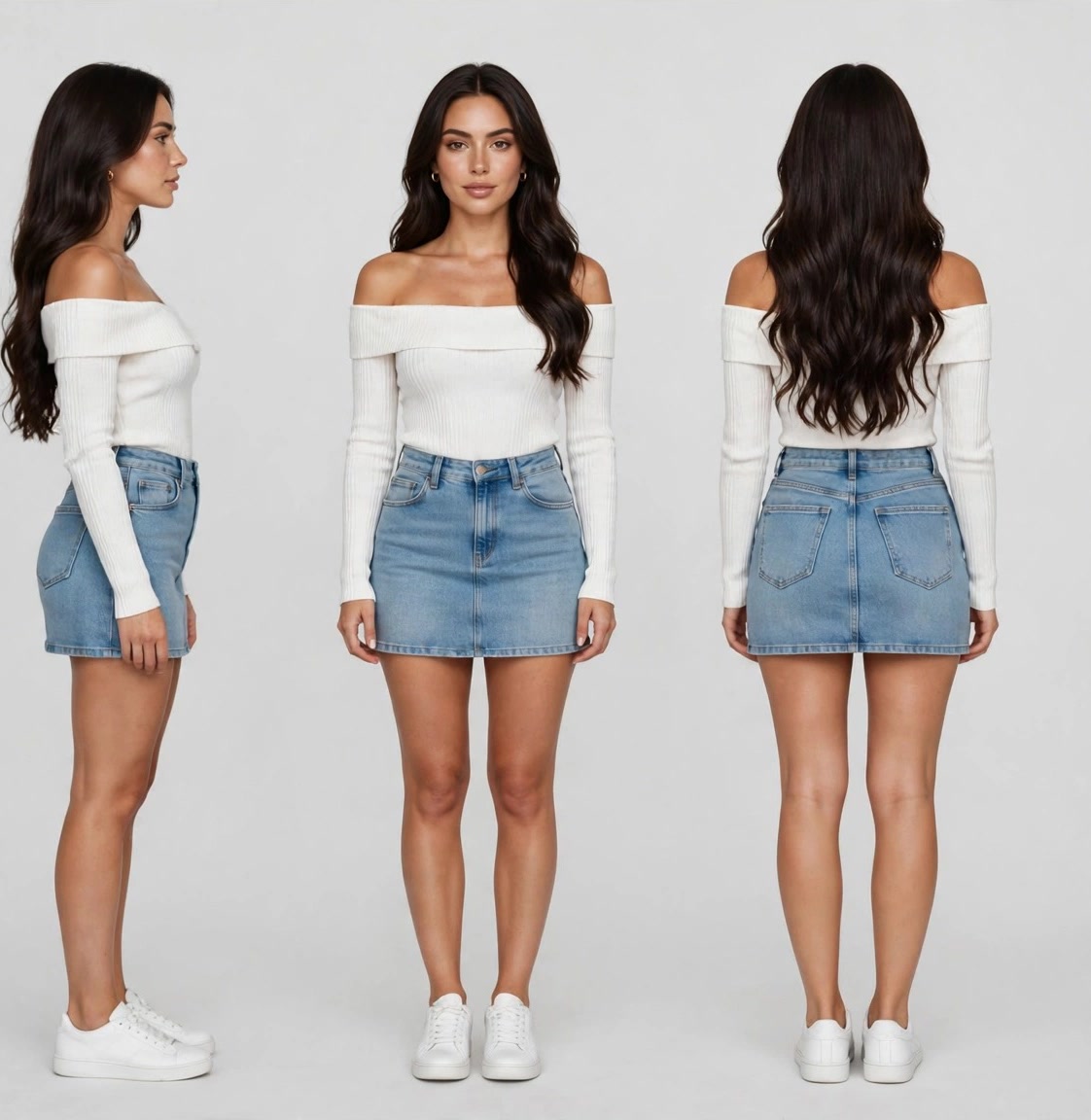
Reference images: image 1 is her headshot (face, features, hair, makeup); image 2 is a front / side / back three-view of the same woman in a light summer outfit (outfit, accessories, shoes, body). Keep exactly this face, hair and outfit in every frame. She is a 25-year-old woman with a polished Instagram look.

Outdoor café date. Scene: a sunny café terrace on a quiet European-style street, a small round marble table with two cappuccinos and a croissant, a striped awning, potted flowers, soft morning sun.
Camera: the viewer's point of view sitting across the small table, very close to her, eye level.
0.0–1.5 s: she rests her chin on her interlaced fingers, watching the lens with a slow half-smile.
1.5–3.0 s: she reaches across, takes the viewer's cappuccino instead of her own and sips it, eyes on the lens over the cup.
3.0–4.5 s: she wipes a little milk foam from her lip with her thumb and laughs.
4.5–6.0 s: she says, teasing: "Mine's better." and slides her own cup toward the camera.
6.0–8.0 s: she leans in close to the lens on her elbows, her bare shoulders catching the sun, lightly bites her lower lip and holds eye contact.
8.0–10.0 s: she leans back, tucks her hair behind her ear and gives one playful wink.
Lighting: soft warm morning sun, gentle highlights on her hair and shoulders.
Flirt cues (natural and playful, never explicit): long lingering eye contact with the lens, a slow half-smile, lightly biting her lower lip once, glancing down and then back up through her lashes, leaning in close to the lens as if sharing a secret, at most one playful wink. She is clearly enjoying the viewer's company.

Audio: light French café jazz and soft street ambience; her line is clear, natural American English; no other voices, no laugh track.
Style: realistic Instagram Reel shot on an iPhone, vertical 9:16, warm natural colors, crisp focus on her face, gentle handheld motion, one continuous take.
Avoid: changing her face or outfit, cleavage, lingerie, swimwear, see-through fabric, kissing, touching her own body suggestively, extra fingers, warped hands, strangers staring at the camera, on-screen text, subtitles, watermark.Sit with me.Imágenes de referencia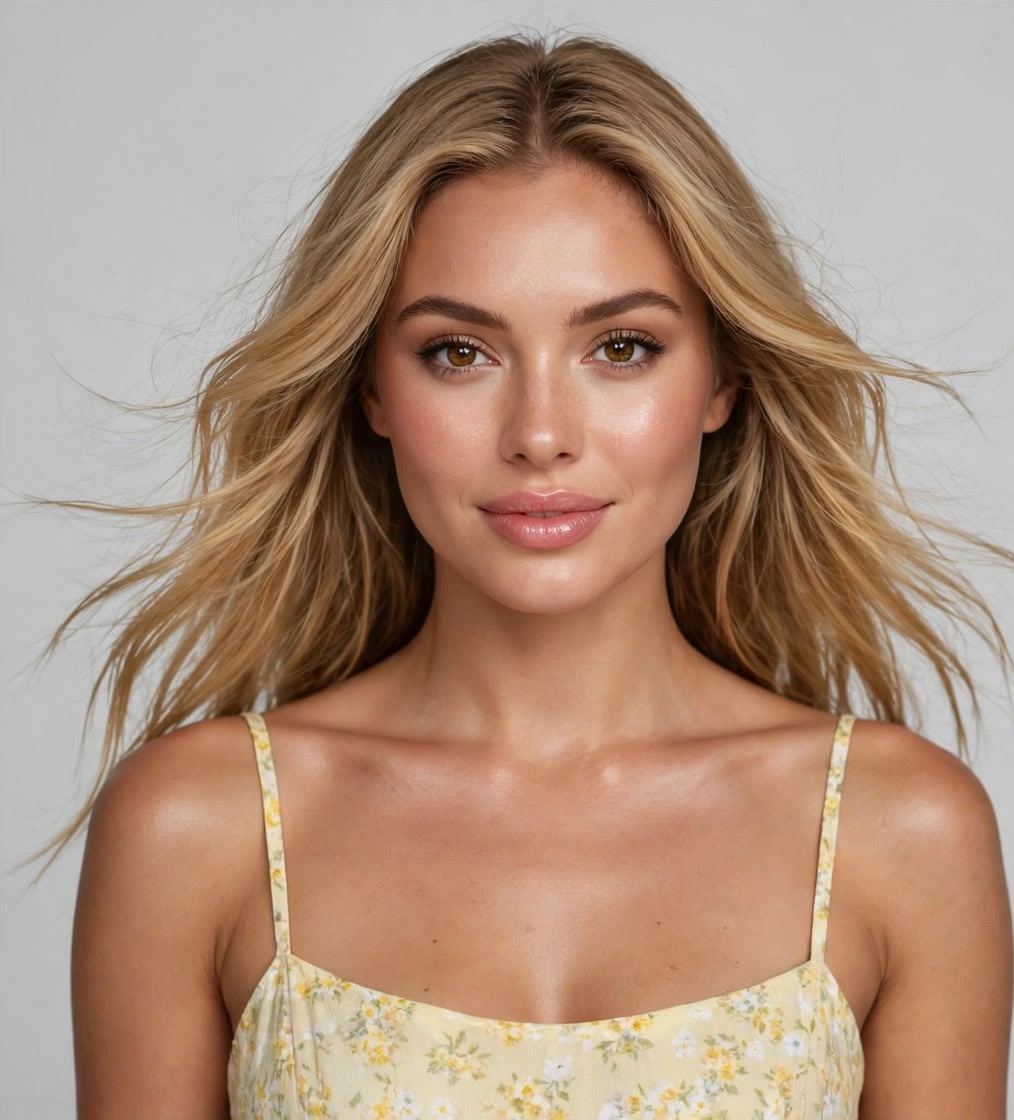
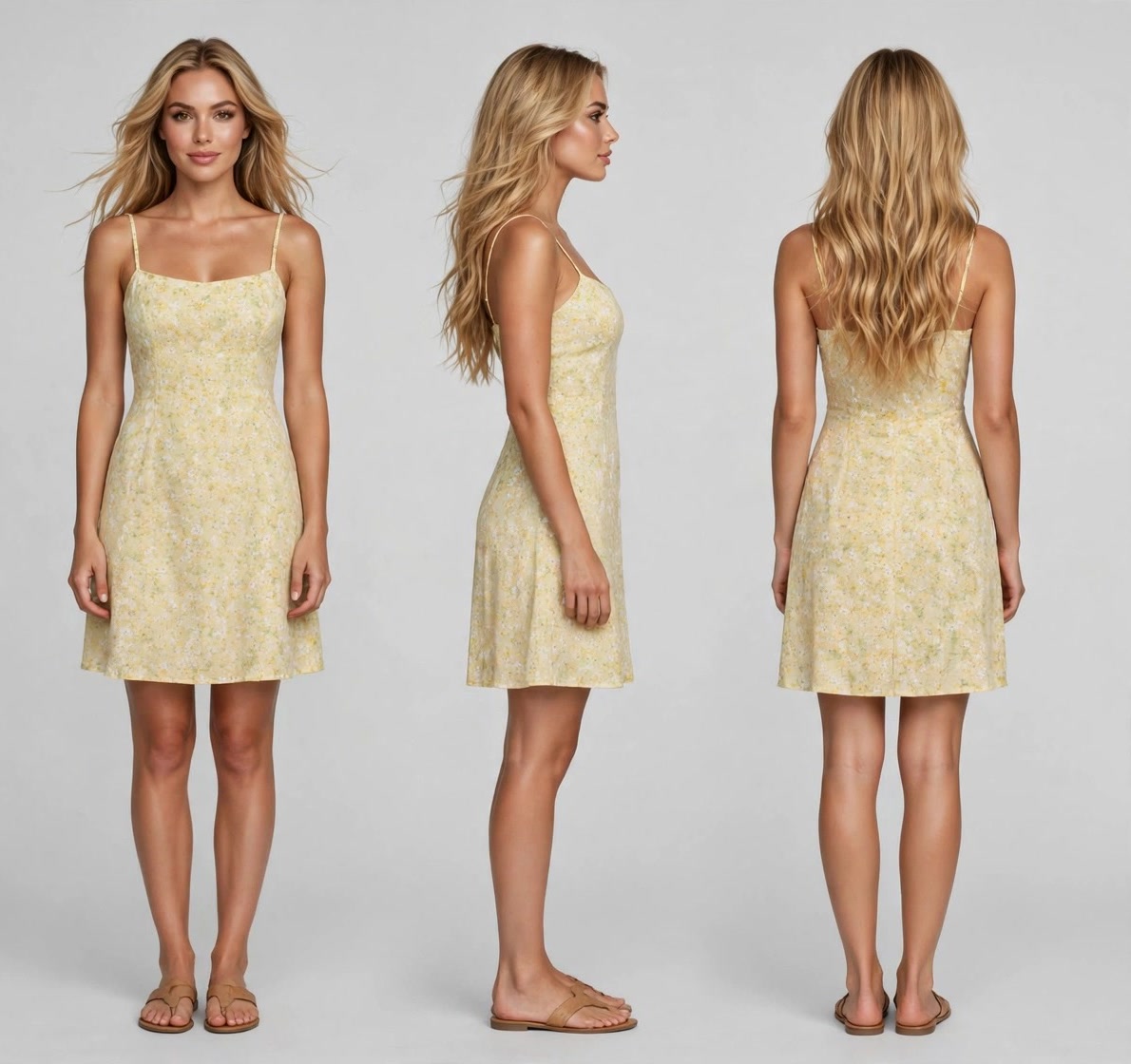
Reference images: image 1 is her headshot (face, features, hair, makeup); image 2 is a front / side / back three-view of the same woman in a light summer outfit (outfit, accessories, shoes, body). Keep exactly this face, hair and outfit in every frame. She is a 25-year-old woman with a polished Instagram look.

Sunset pier. Scene: a wooden pier over calm water at sunset, golden light, a pink and orange sky, a gentle breeze.
Camera: the viewer walking up to her and then sitting down right beside her.
0.0–2.0 s: she sits on the edge of the pier, legs dangling over the water, sandals beside her, the breeze lifting her hair and the hem of her sundress.
2.0–3.5 s: she hears the viewer, looks back over her shoulder and her face breaks into a soft smile.
3.5–5.0 s: she pats the boards right next to her and says: "Sit with me."
5.0–7.0 s: the camera lowers to sit beside her, very close; she turns her face to the lens, sunset light on her skin, and lets her gaze linger.
7.0–8.5 s: she leans her shoulder lightly toward the camera, looks down at the water, then back up through her lashes.
8.5–10.0 s: she rests her chin on her hand and smiles at the lens as the sun dips behind her.
Lighting: golden backlight, soft lens flare, warm glowing skin.
Flirt cues (natural and playful, never explicit): long lingering eye contact with the lens, a slow half-smile, lightly biting her lower lip once, glancing down and then back up through her lashes, leaning in close to the lens as if sharing a secret, at most one playful wink. She is clearly enjoying the viewer's company.

Audio: dreamy acoustic indie music with soft water and wind; her line is clear, natural American English; no other voices, no laugh track.
Style: realistic Instagram Reel shot on an iPhone, vertical 9:16, warm natural colors, crisp focus on her face, gentle handheld motion, one continuous take.
Avoid: changing her face or outfit, cleavage, lingerie, swimwear, see-through fabric, kissing, touching her own body suggestively, extra fingers, warped hands, strangers staring at the camera, on-screen text, subtitles, watermark.This part reminds me of you.Imágenes de referencia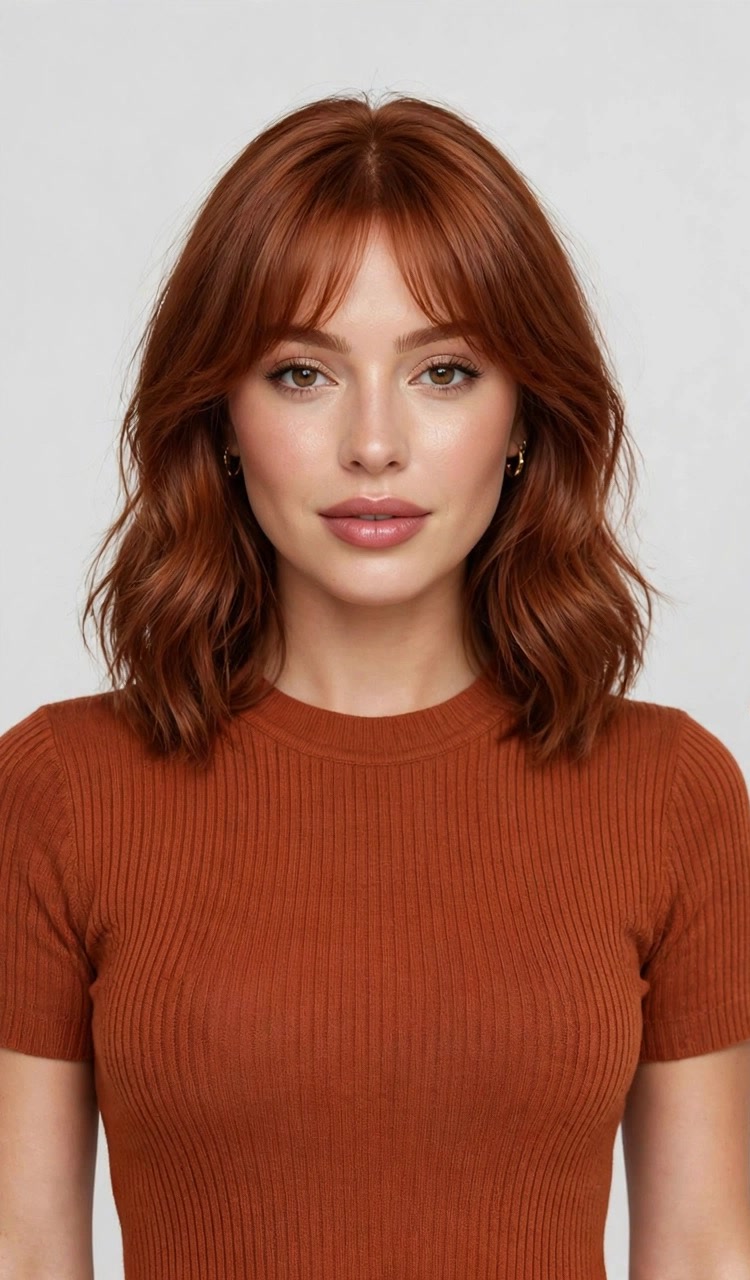
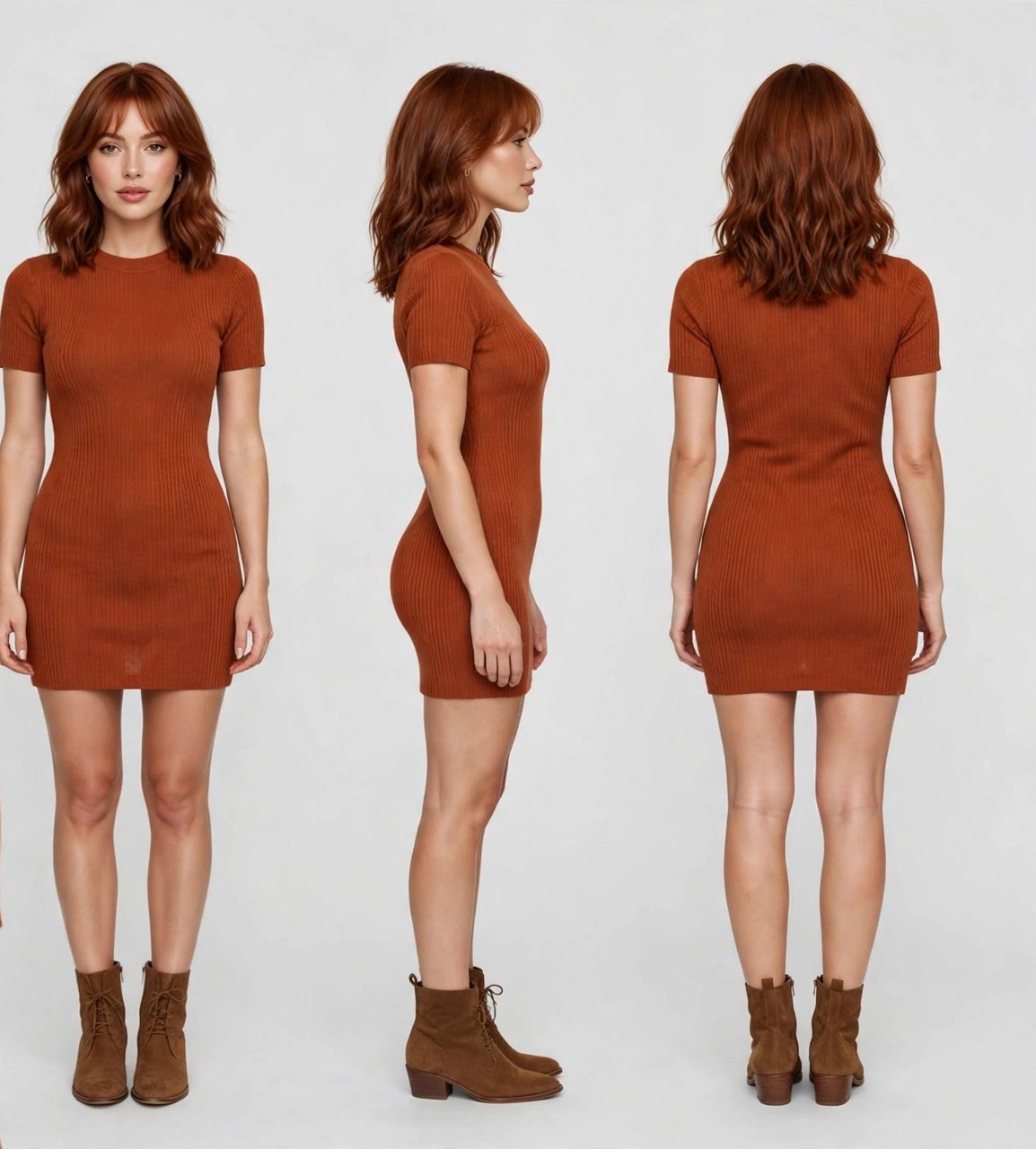
Reference images: image 1 is her headshot (face, features, hair, makeup); image 2 is a front / side / back three-view of the same woman in a light summer outfit (outfit, accessories, shoes, body). Keep exactly this face, hair and outfit in every frame. She is a 25-year-old woman with a polished Instagram look.

Bookstore reading nook. Scene: a cozy window seat in an independent bookstore, cushions, stacks of books, warm lamp light mixed with late-afternoon sun.
Camera: the viewer sitting down next to her on the window seat, close.
0.0–1.5 s: she sits curled up on the window seat reading an open book, a strand of hair falling across her face.
1.5–3.0 s: she glances up over the top of the book at the lens, then back down, hiding a smile.
3.0–5.0 s: she lowers the book and says softly: "This part reminds me of you."
5.0–7.0 s: she shifts closer and holds the open book toward the camera, her face close to the lens.
7.0–8.5 s: she watches the viewer's reaction, lightly bites her lower lip and laughs quietly.
8.5–10.0 s: she closes the book against her chest, tilts her head and holds eye contact with a soft smile.
Book pages and covers stay plain, with no readable text.
Lighting: warm amber lamps, soft window light on her face.
Flirt cues (natural and playful, never explicit): long lingering eye contact with the lens, a slow half-smile, lightly biting her lower lip once, glancing down and then back up through her lashes, leaning in close to the lens as if sharing a secret, at most one playful wink. She is clearly enjoying the viewer's company.

Audio: soft piano and acoustic guitar music with a quiet bookstore ambience; her line is clear, natural American English; no other voices, no laugh track.
Style: realistic Instagram Reel shot on an iPhone, vertical 9:16, warm natural colors, crisp focus on her face, gentle handheld motion, one continuous take.
Avoid: changing her face or outfit, cleavage, lingerie, swimwear, see-through fabric, kissing, touching her own body suggestively, extra fingers, warped hands, strangers staring at the camera, on-screen text, subtitles, watermark.Just one bite.Imágenes de referencia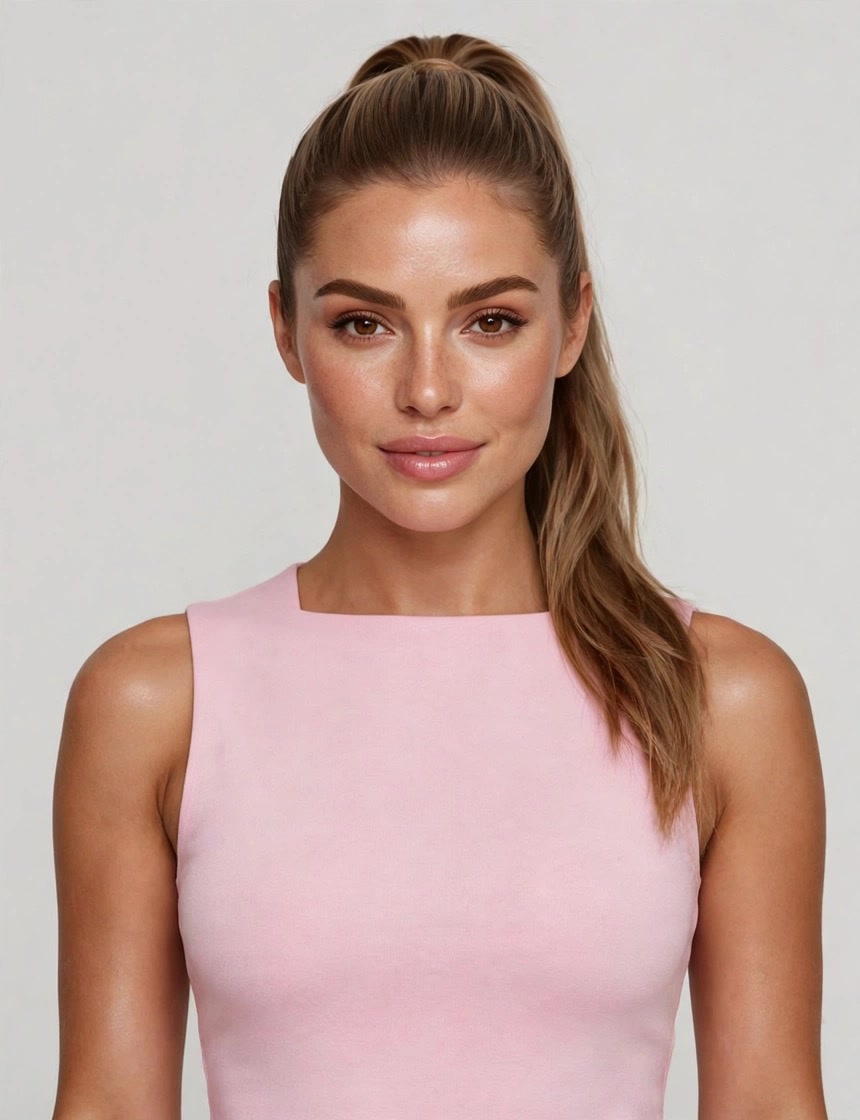
Reference images: image 1 is her headshot (face, features, hair, makeup); image 2 is a front / side / back three-view of the same woman in a light summer outfit (outfit, accessories, shoes, body). Keep exactly this face, hair and outfit in every frame. She is a 25-year-old woman with a polished Instagram look.

Ice cream on the promenade. Scene: a sunny seaside promenade in summer, pastel shopfronts, palm trees, people strolling far in the background.
Camera: the viewer walking beside her, then facing her.
0.0–1.5 s: she walks along holding a strawberry ice-cream cone and takes a small bite.
1.5–3.0 s: she notices the viewer watching and holds the cone out toward the camera, eyebrows raised.
3.0–4.5 s: as the camera leans in, she pulls it back with a playful laugh and says: "Just one bite."
4.5–6.5 s: she holds it out again, closer this time, watching the lens with a teasing half-smile.
6.5–8.5 s: she gets a tiny dot of ice cream on the tip of her nose, laughs and wipes it off.
8.5–10.0 s: she swings her ponytail, turns to keep walking and glances back at the lens with a wink.
Lighting: bright summer sun, warm tones, soft shadows.
Flirt cues (natural and playful, never explicit): long lingering eye contact with the lens, a slow half-smile, lightly biting her lower lip once, glancing down and then back up through her lashes, leaning in close to the lens as if sharing a secret, at most one playful wink. She is clearly enjoying the viewer's company.

Audio: upbeat summer pop music and light seaside ambience; her line is clear, natural American English; no other voices, no laugh track.
Style: realistic Instagram Reel shot on an iPhone, vertical 9:16, warm natural colors, crisp focus on her face, gentle handheld motion, one continuous take.
Avoid: changing her face or outfit, cleavage, lingerie, swimwear, see-through fabric, kissing, touching her own body suggestively, extra fingers, warped hands, strangers staring at the camera, on-screen text, subtitles, watermark.Open up.Imágenes de referencia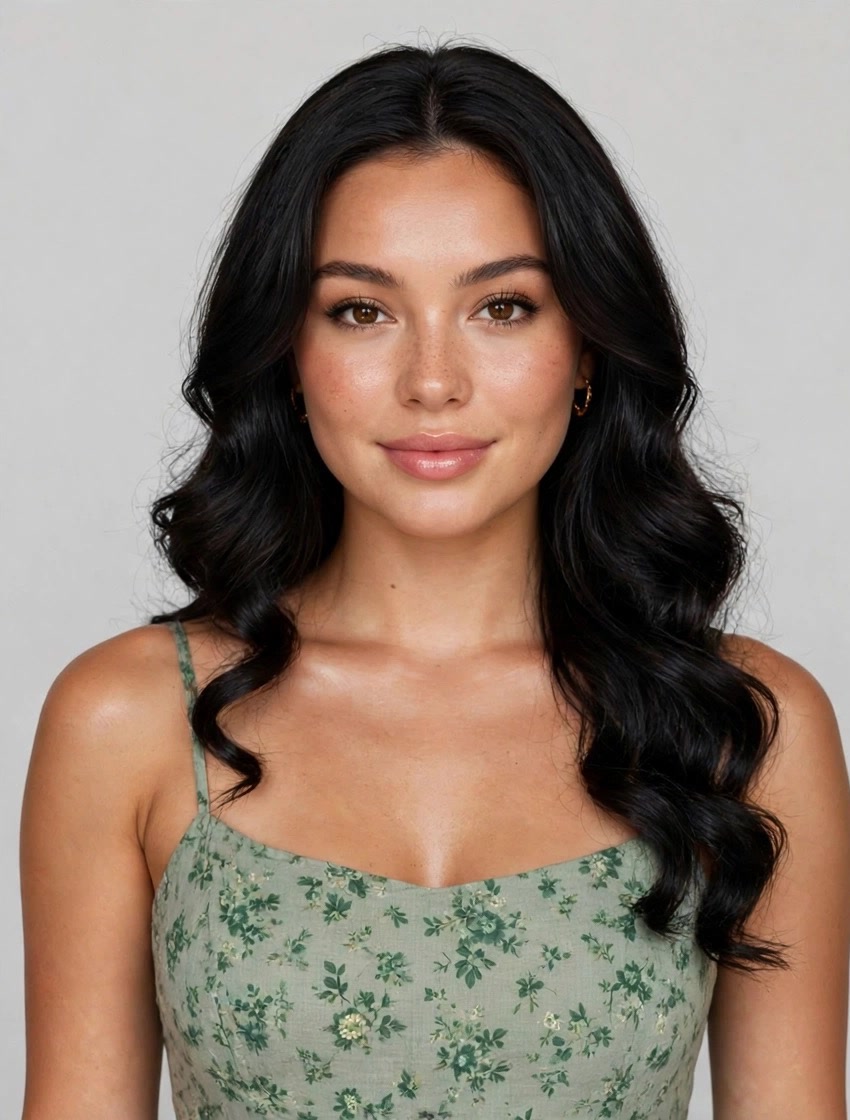
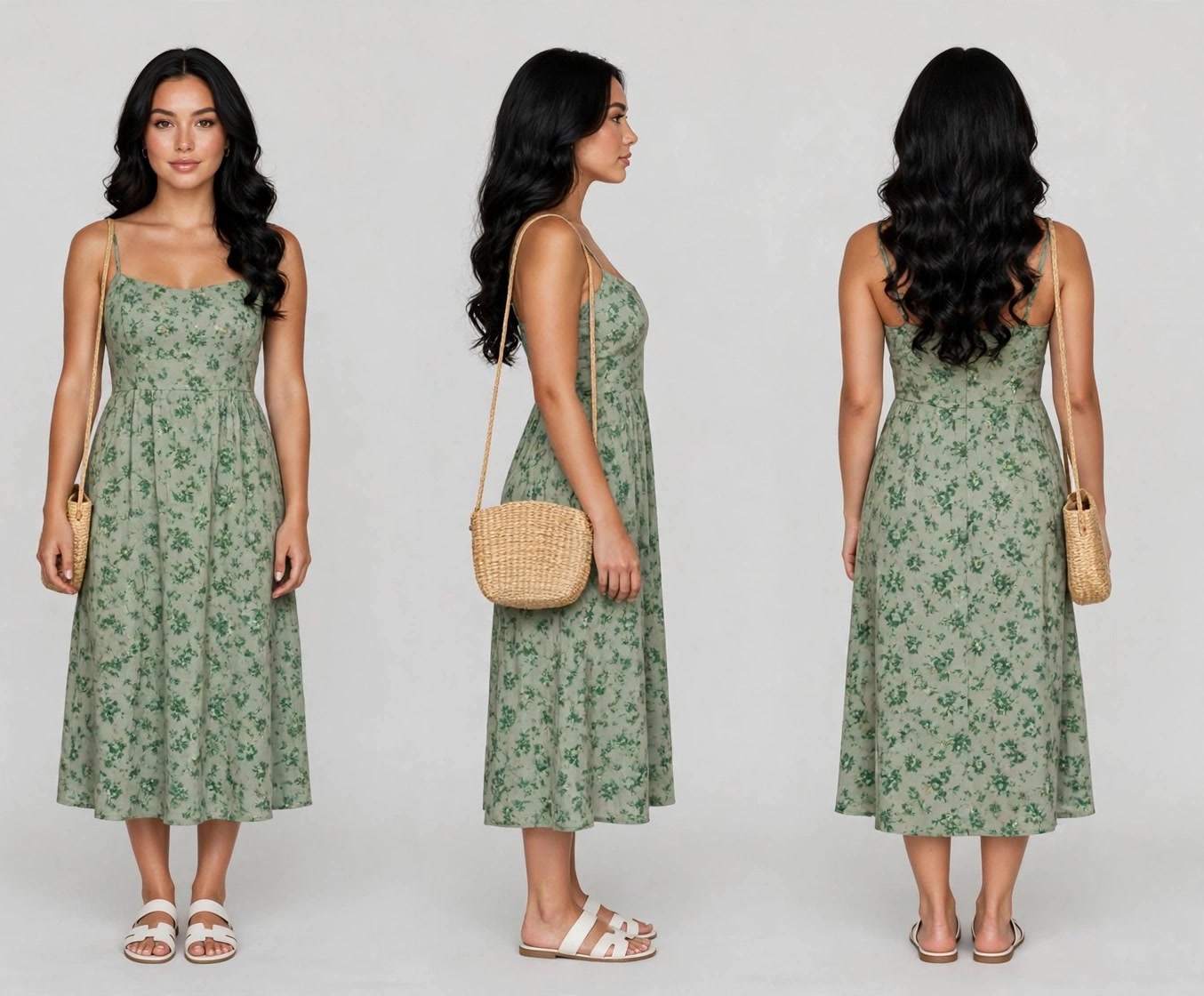
Reference images: image 1 is her headshot (face, features, hair, makeup); image 2 is a front / side / back three-view of the same woman in a light summer outfit (outfit, accessories, shoes, body). Keep exactly this face, hair and outfit in every frame. She is a 25-year-old woman with a polished Instagram look.

Park picnic. Scene: a summer picnic in a park, a checkered blanket on the grass under a big tree, a wicker basket, a bowl of strawberries, dappled golden sunlight.
Camera: the viewer lying on the blanket facing her, low angle.
0.0–2.0 s: she lies on her side propped on one elbow, her sundress spread over the blanket, twirling a daisy and smiling at the lens.
2.0–3.5 s: she picks a strawberry from the bowl and holds it toward the camera.
3.5–5.0 s: she says, playful: "Open up." and brings it close to the lens.
5.0–6.5 s: she pulls it back at the last second, laughs and takes a bite herself.
6.5–8.5 s: she tucks the daisy behind her ear, rests her cheek on her hand and holds eye contact with a slow smile.
8.5–10.0 s: she offers the other half of the strawberry to the camera again, eyes sparkling.
Lighting: dappled warm sunlight through leaves, soft golden glow.
Flirt cues (natural and playful, never explicit): long lingering eye contact with the lens, a slow half-smile, lightly biting her lower lip once, glancing down and then back up through her lashes, leaning in close to the lens as if sharing a secret, at most one playful wink. She is clearly enjoying the viewer's company.

Audio: gentle ukulele and acoustic music with birdsong; her line is clear, natural American English; no other voices, no laugh track.
Style: realistic Instagram Reel shot on an iPhone, vertical 9:16, warm natural colors, crisp focus on her face, gentle handheld motion, one continuous take.
Avoid: changing her face or outfit, cleavage, lingerie, swimwear, see-through fabric, kissing, touching her own body suggestively, extra fingers, warped hands, strangers staring at the camera, on-screen text, subtitles, watermark.Listen to this part.Imágenes de referencia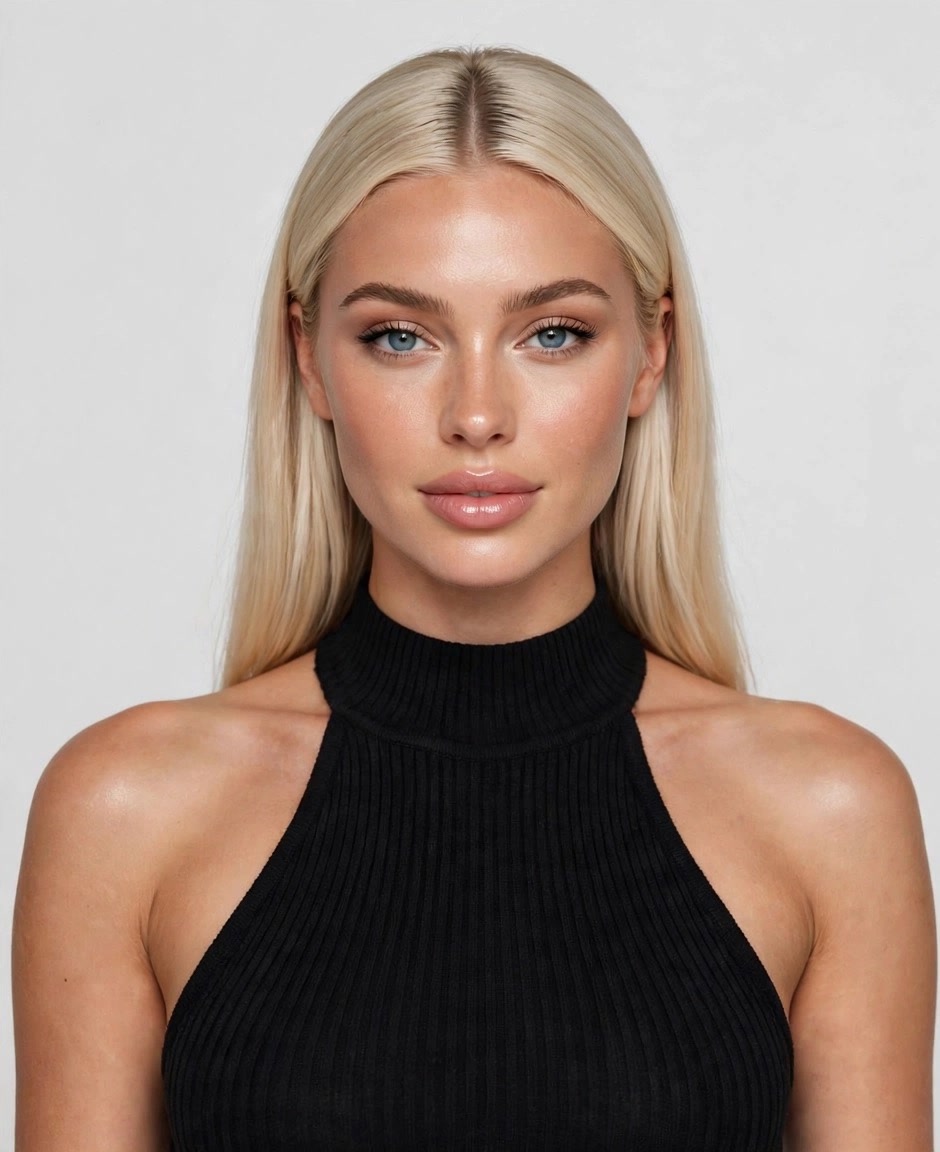
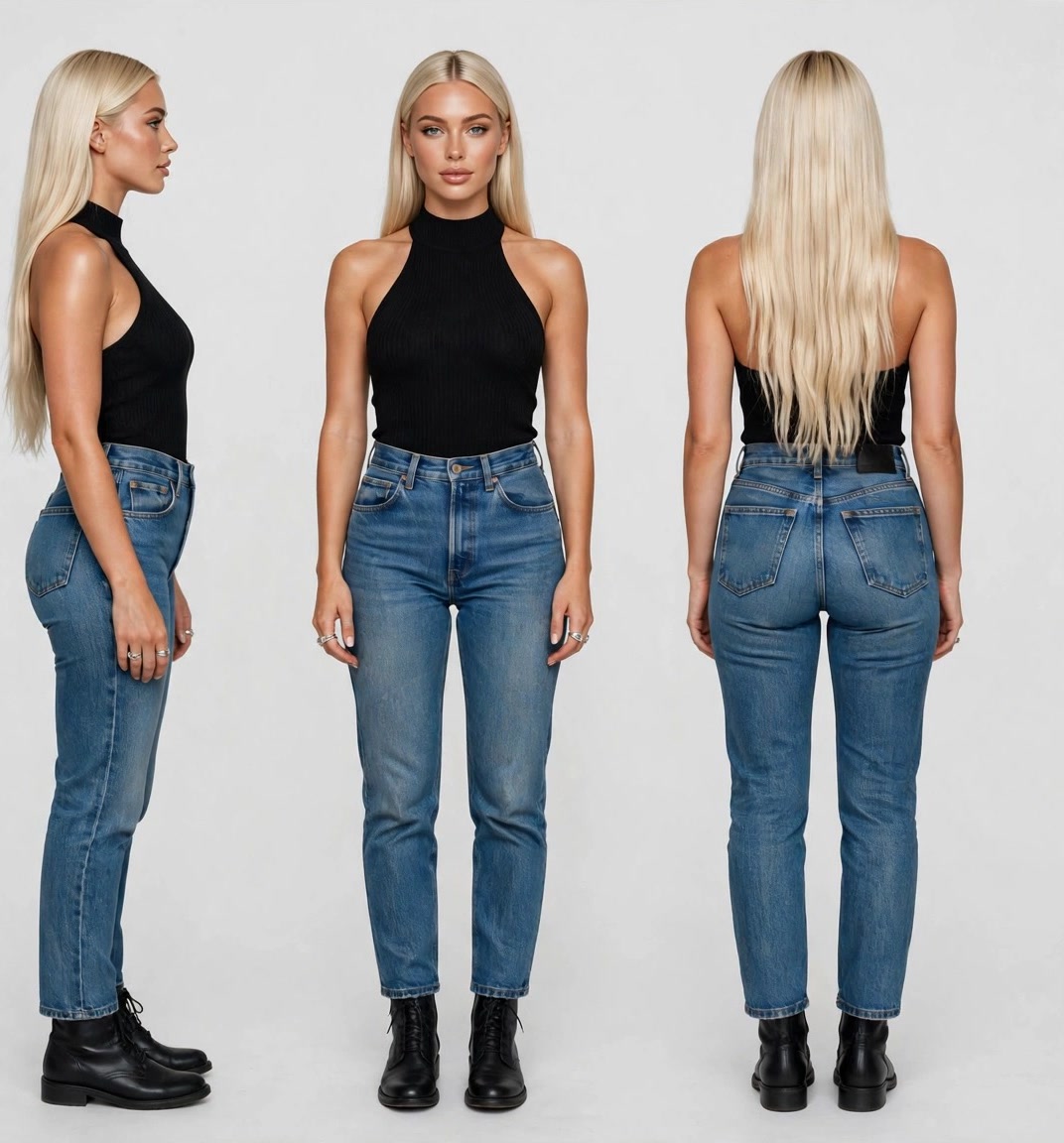
Reference images: image 1 is her headshot (face, features, hair, makeup); image 2 is a front / side / back three-view of the same woman in a light summer outfit (outfit, accessories, shoes, body). Keep exactly this face, hair and outfit in every frame. She is a 25-year-old woman with a polished Instagram look.

Record store listening booth. Scene: a vintage record store with a small wooden listening booth, shelves and crates of vinyl, a warm amber glow.
Camera: the viewer standing inside the small booth with her, very close.
0.0–1.5 s: she flips through records in a crate, pulls one out and smiles at it.
1.5–3.0 s: she puts on over-ear headphones, closes her eyes and sways slightly to the music.
3.0–4.5 s: she slides one ear cup off and holds it out toward the camera, saying: "Listen to this part."
4.5–6.5 s: she leans in very close to the lens as if sharing the headphones, her eyes looking up into the lens.
6.5–8.5 s: she mouths along to the chorus with a slow smile and lightly bites her lower lip.
8.5–10.0 s: she pulls back a little, laughs and gives the viewer a playful look over her shoulder.
Record sleeves stay plain, with no readable text.
Lighting: warm amber light, soft shadows, cozy vintage tones.
Flirt cues (natural and playful, never explicit): long lingering eye contact with the lens, a slow half-smile, lightly biting her lower lip once, glancing down and then back up through her lashes, leaning in close to the lens as if sharing a secret, at most one playful wink. She is clearly enjoying the viewer's company.

Audio: a warm retro soul song playing in the booth; her line is clear, natural American English; no other voices, no laugh track.
Style: realistic Instagram Reel shot on an iPhone, vertical 9:16, warm natural colors, crisp focus on her face, gentle handheld motion, one continuous take.
Avoid: changing her face or outfit, cleavage, lingerie, swimwear, see-through fabric, kissing, touching her own body suggestively, extra fingers, warped hands, strangers staring at the camera, on-screen text, subtitles, watermark.You actually came!Imágenes de referencia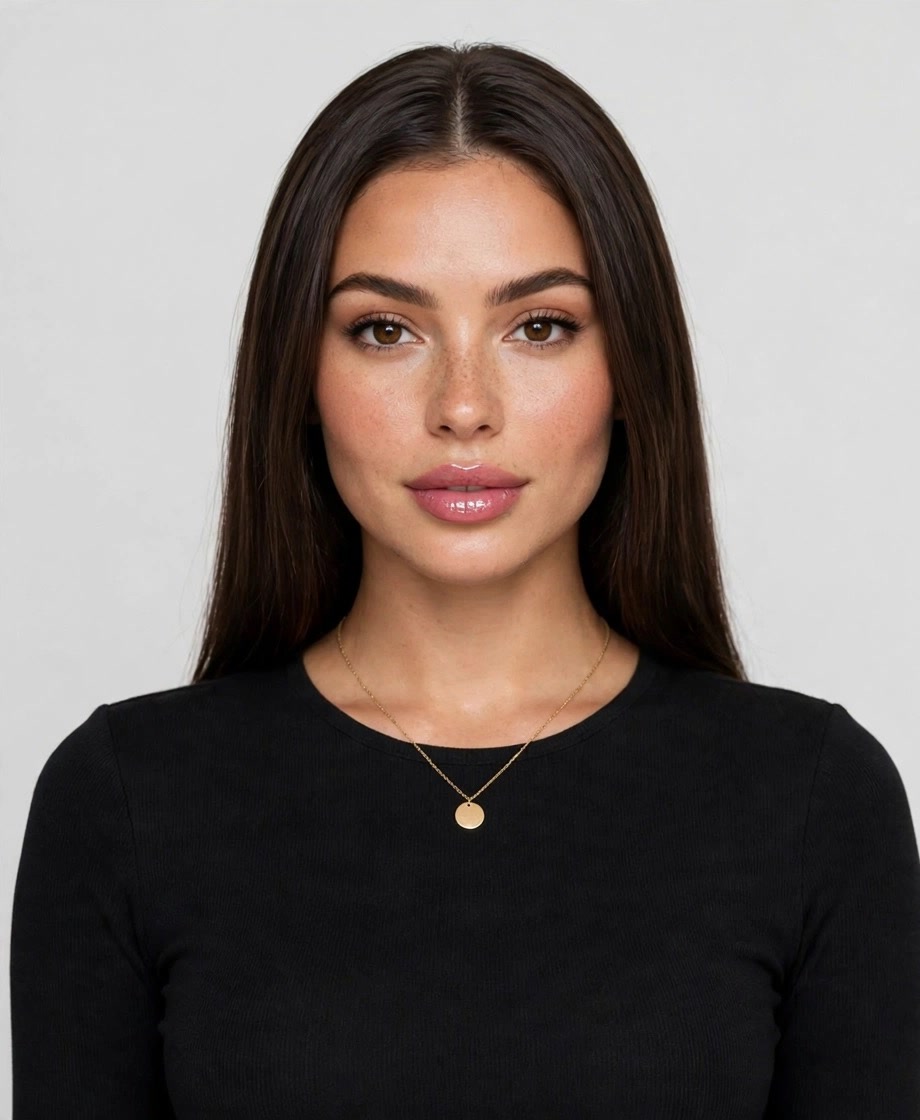
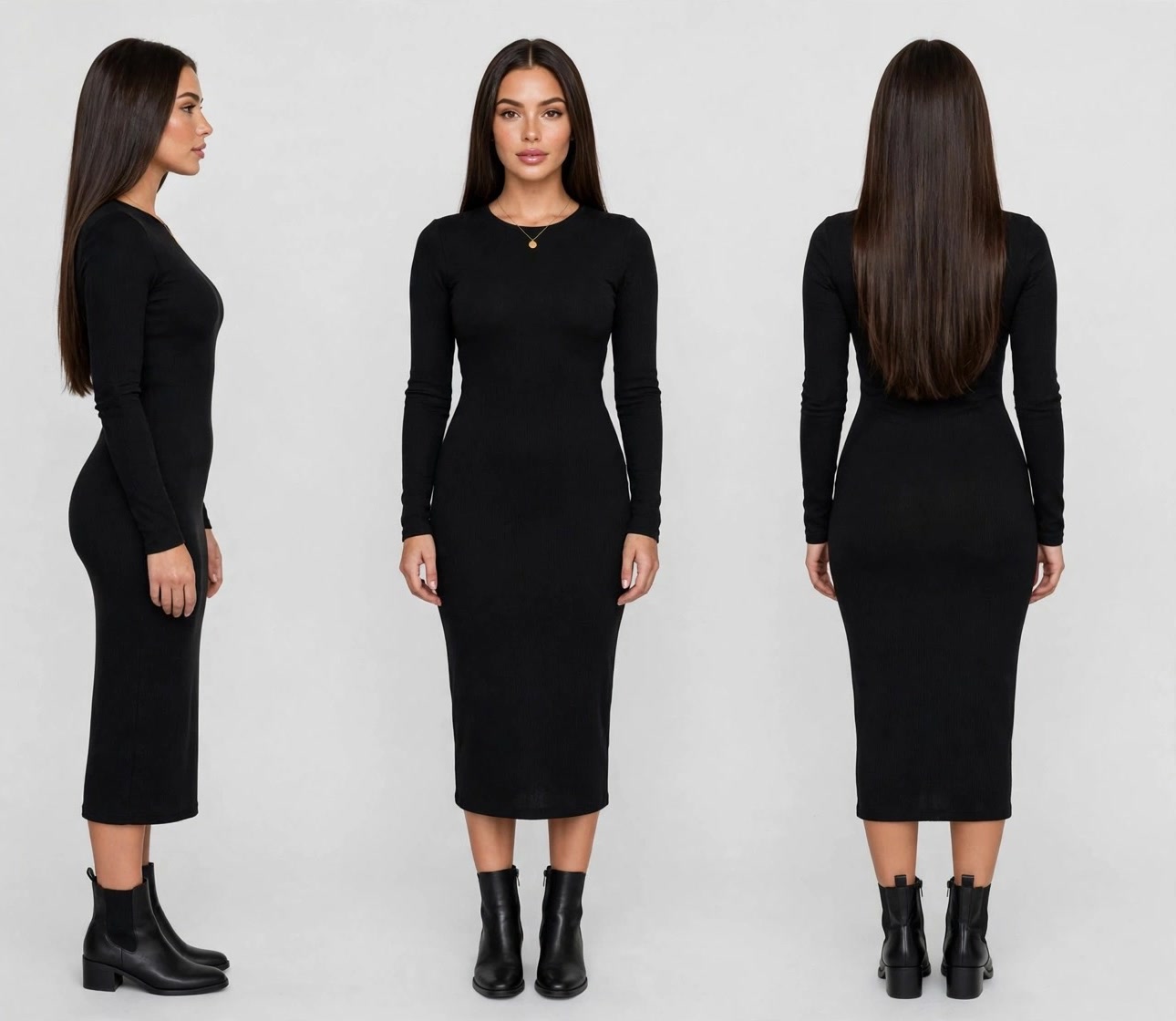
Reference images: image 1 is her headshot (face, features, hair, makeup); image 2 is a front / side / back three-view of the same woman (outfit, accessories, shoes, body). Keep exactly this face, hair and outfit in every frame. She is a 25-year-old woman with a polished Instagram look.

Rooftop at night. Scene: a rooftop bar above a city at night, warm string lights, the glowing skyline as soft bokeh behind her, a glass railing, small candles on a high table.
Camera: the viewer walking up to her at the railing, one continuous take.
0.0–1.5 s: she leans on the railing half turned away, looking out at the city lights, holding a glass of sparkling water with lime.
1.5–3.0 s: she turns her head toward the lens and her face lights up with a surprised smile.
3.0–5.0 s: she says: "You actually came!" and raises her glass toward the camera as if to clink.
5.0–7.0 s: she sweeps her hair over one shoulder, laughs softly and gives a small playful shrug.
7.0–8.5 s: she makes a small "come here" gesture with two fingers and tilts her head toward the view beside her.
8.5–10.0 s: she turns back toward the skyline but keeps looking at the lens over her shoulder, smiling.
Mood: elegant, playful, warm, confident.
Lighting: warm string lights on her face, cool city bokeh behind, a soft natural night look, no harsh flash.

Audio: chill lo-fi house music and soft city ambience; her line is clear, natural American English; no other voices, no laugh track.
Style: realistic Instagram Reel shot on an iPhone, vertical 9:16, natural colors, crisp focus on her face, gentle handheld motion.
Avoid: changing her face or outfit, revealing or low-cut clothing, see-through fabric, extra fingers, warped hands, strangers staring at the camera, on-screen text, subtitles, watermark.Okay, your turn to pick the song.Imágenes de referencia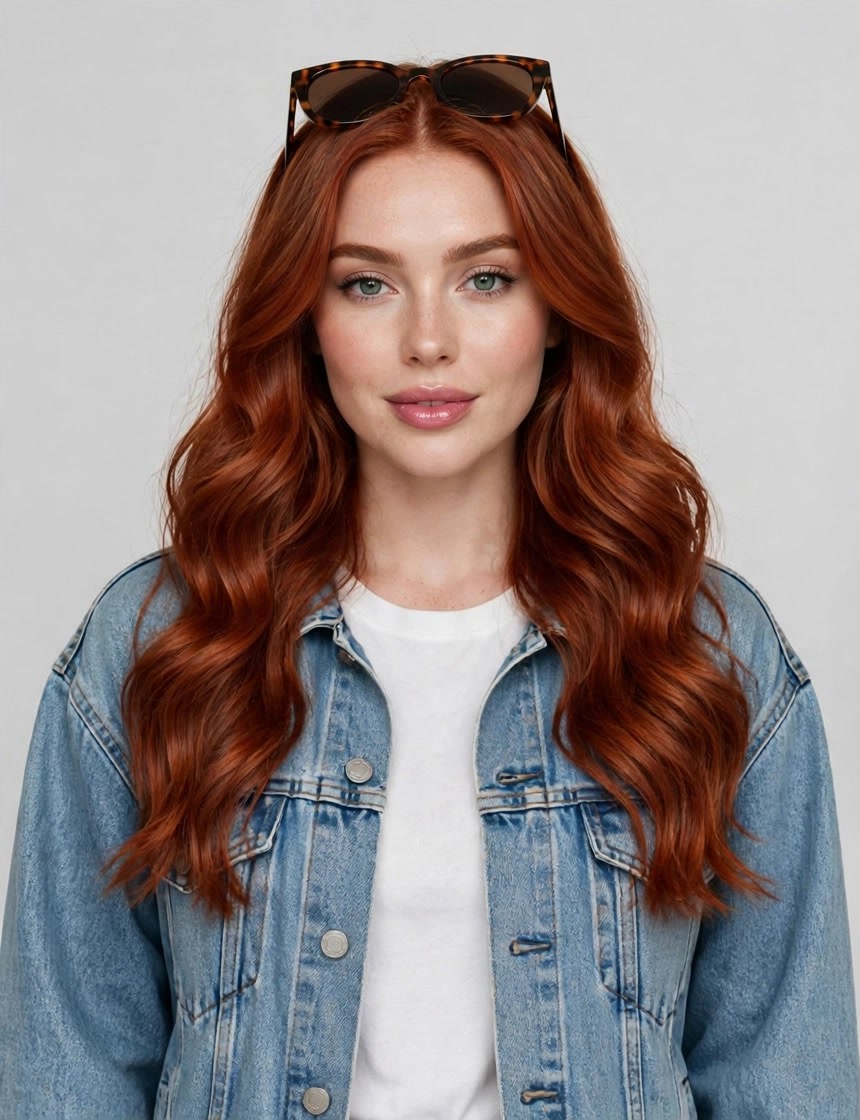
Reference images: image 1 is her headshot (face, features, hair, makeup); image 2 is a front / side / back three-view of the same woman (outfit, accessories, shoes, body). Keep exactly this face, hair and outfit in every frame. She is a 25-year-old woman with a polished Instagram look.

Road trip stop. Scene: inside a parked car at a sunny beach parking lot, engine off, she sits in the passenger seat, the ocean and palm trees visible through the windshield, sunlight across the dashboard.
Camera: the viewer's point of view from the driver's seat, angled toward her, one continuous take.
0.0–2.0 s: she sings along to the song on the radio with her eyes closed, moving her shoulders to the beat, sunglasses on.
2.0–3.5 s: she pulls her sunglasses down her nose with one finger and looks over them into the lens with a teasing smile.
3.5–5.5 s: she says: "Okay, your turn to pick the song." and hands the phone toward the camera.
5.5–7.5 s: she holds out a paper bag of fries toward the camera, offering one, eyebrows raised.
7.5–9.0 s: she rests her elbow on the open window, the breeze catching her hair, glances at the ocean, then back at the lens.
9.0–10.0 s: she pushes the sunglasses up into her hair and gives the camera a warm, easy smile.
Mood: fun, relaxed, playful, best-road-trip-ever energy.
Lighting: bright natural sunlight, warm tones, soft reflections on the glass.

Audio: upbeat summer pop music from the car speakers; her line is clear, natural American English; no other voices, no laugh track.
Style: realistic Instagram Reel shot on an iPhone, vertical 9:16, natural colors, crisp focus on her face, gentle handheld motion.
Avoid: changing her face or outfit, revealing or low-cut clothing, see-through fabric, extra fingers, warped hands, strangers staring at the camera, on-screen text, subtitles, watermark.Get under here, you're soaked!Imágenes de referencia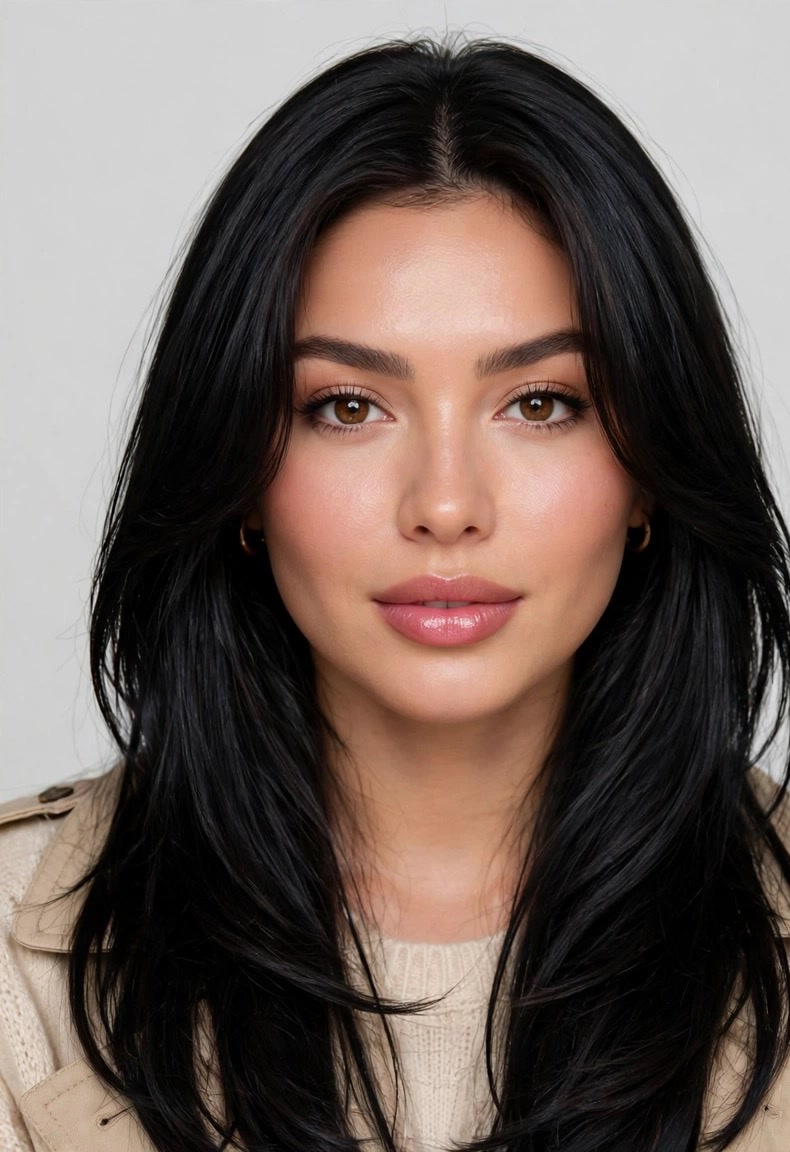
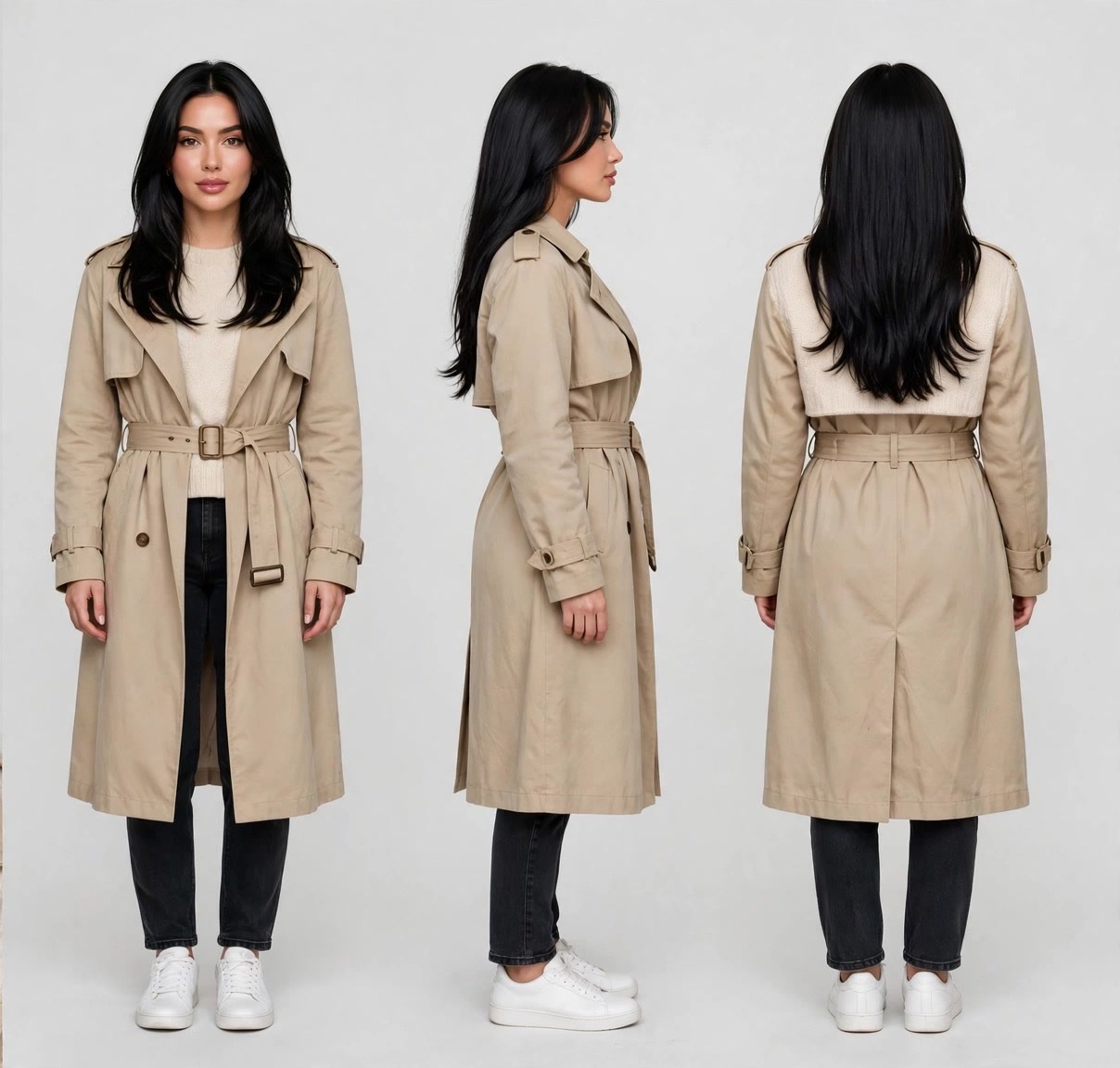
Reference images: image 1 is her headshot (face, features, hair, makeup); image 2 is a front / side / back three-view of the same woman (outfit, accessories, shoes, body). Keep exactly this face, hair and outfit in every frame. She is a 25-year-old woman with a polished Instagram look.

Rainy evening. Scene: a city sidewalk at dusk in light rain, wet pavement reflecting neon shop signs and street lights, people with umbrellas blurred in the background.
Camera: the viewer standing in the rain without an umbrella, one continuous take.
0.0–1.5 s: she walks toward the camera under a clear umbrella, raindrops on the canopy.
1.5–3.0 s: she notices the viewer getting wet, her eyes widen and she laughs.
3.0–5.0 s: she steps close and tilts the umbrella over the camera so the canopy fills the top of the frame, saying: "Get under here, you're soaked!"
5.0–7.0 s: under the umbrella, close to the lens, she shakes the rain off her hand and smiles, her face lit by the neon glow.
7.0–8.5 s: she nods toward the street as if to say "walk with me", eyebrows raised.
8.5–10.0 s: she turns slightly to start walking, still looking back at the lens with a warm smile, the umbrella over both of them.
Mood: romantic, caring, playful, cinematic.
Lighting: neon reflections, soft street lights, cool blue and warm pink tones, sparkling rain.

Audio: soft rain sounds and a gentle R&B instrumental; her line is clear, natural American English; no other voices, no laugh track.
Style: realistic Instagram Reel shot on an iPhone, vertical 9:16, natural colors, crisp focus on her face, gentle handheld motion.
Avoid: changing her face or outfit, revealing or low-cut clothing, see-through fabric, extra fingers, warped hands, strangers staring at the camera, on-screen text, subtitles, watermark.Look, isn't this spatula so handy?Imágenes de referencia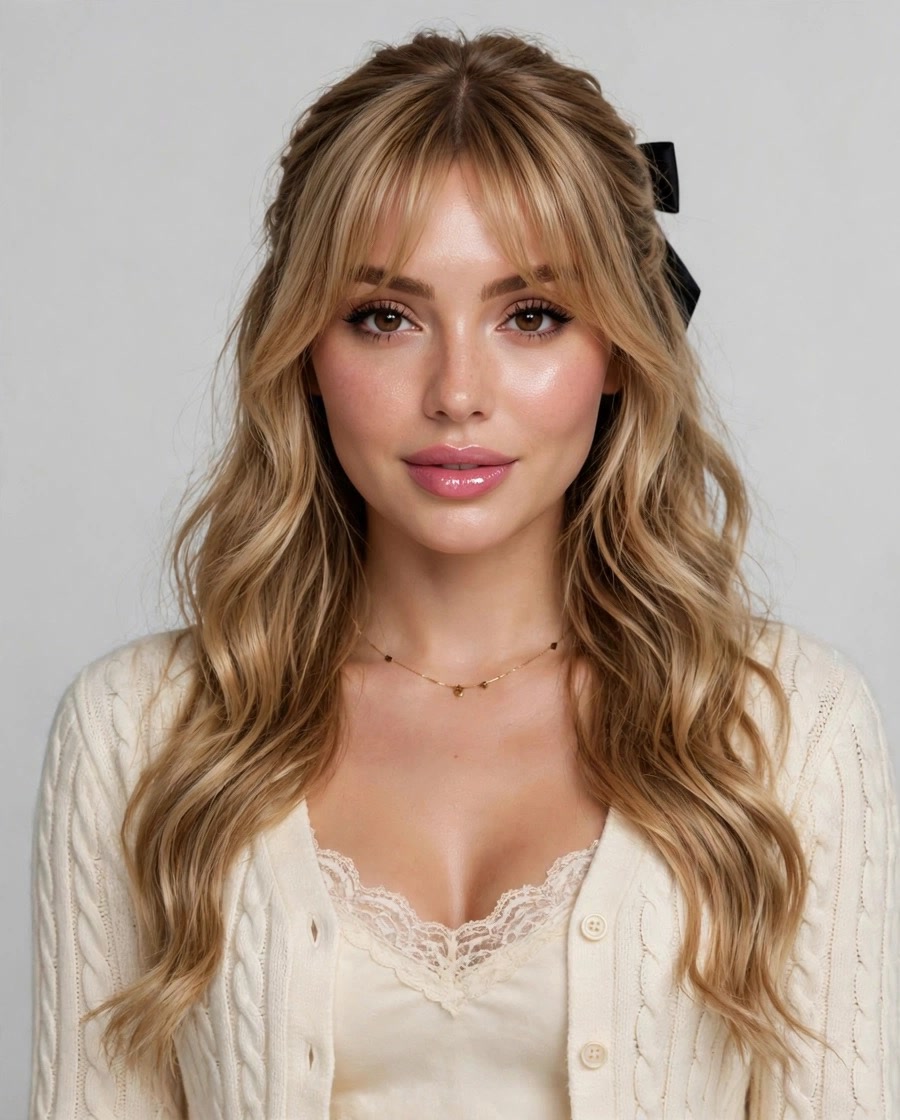
 Prompt adaptado de @beizhi606
参考图说明:参考图1是人物大头照(脸、五官、发型、发色、妆容都以它为准),参考图2是同一个人的三视图(服装、配饰、鞋子、身材都以它为准)。人物是 25 岁的欧美女性,Instagram 博主风格的精致妆容。下文里「原视频里」的发型、发色和穿搭描述一律忽略,以参考图为准。

中文提示词(10.00秒)
人物:
脸部: 人物的长相、五官、发型、发色和妆容严格按照。
服装和身材: 人物的服装穿搭、配饰和身材比例严格按照。镜头2里人物背对镜头,背面的服装请参考三视图的背面。
一致性: 4个镜头里都是同一个人,脸和服装全程保持一致,切镜后不能变样;镜头2镜子里的倒影也必须是同一个人、同一套服装。

道具:
镜头1:一把黑色的厨房食物夹。
镜头4:一把黑色的锅铲。

场景:
场景是一个居家厨房,以及厨房门口连着的客厅。

厨房: 墙面贴着白色大理石纹理的瓷砖,灶台是黑色的,上面放着一口黑色的炒锅,台面上摆着各种调料瓶、刀架和杂物。厨房门是白色的,墙顶挂着几个红色的小灯笼。
客厅: 浅木色的地板,门背后挂着一面全身镜,地上有一只黑猫。

光线:
室内自然日光,光线柔和均匀,色调是偏冷的白灰色,干净通透。

分镜
镜头1|0.00–3.27秒|广角近景,拿着食物夹对镜头互动

机位: 手机离人物很近,略微俯拍,用广角镜头,画面是人物的脸和上半身,背景是厨房的瓷砖墙、白色的门和灶台上的黑色炒锅。
0.00–0.60秒: 人物低着头,眼睛往下看,带着一点浅笑;画面左侧的那只手拿着黑色食物夹,放在画面左下角。
0.60–1.00秒: 人物抬起头看向镜头,镜头稍微往前凑近一点。
1.00–1.60秒: 人物看着镜头,嘴角轻轻扬起,食物夹移到画面左侧边缘。
1.60–2.00秒: 人物把食物夹朝镜头伸过来,夹头出现在画面左侧前景里,有虚焦。
2.00–2.60秒: 人物用食物夹在镜头前一开一合地"夹"了几下,眼睛微微眯起,露出俏皮的笑。
2.60–3.27秒: 食物夹收回到画面左侧,人物看着镜头微笑。在3.27秒硬切。

镜头2|3.27–4.70秒|全身镜前,背对镜头再回头

机位: 镜头在人物身后偏右的位置,平视,画面是中景。画面左半部分是全身镜里人物的正面倒影,右半部分是人物本人的背面。客厅的木地板上能看到一只黑猫。
3.27–4.00秒: 人物背对镜头,面朝全身镜站着,一只手叉腰,另一只手轻轻扶着镜子的边缘;镜子里的倒影看着她自己。
4.00–4.20秒: 人物的头从肩膀上方转过来,回头看向镜头。
4.20–4.70秒: 人物回头直视镜头,表情平静;镜子里的倒影转成侧脸。在4.70秒硬切。

镜头3|4.70–5.50秒|高角度俯拍,在灶台边站着

机位: 镜头放在厨房的高处角落,从上往下俯拍人物的全身,用广角镜头,画面里能看到黑色灶台、炒锅、调料瓶和白色的门。
4.70–5.50秒: 人物站在灶台旁边,双手背在身后,抬头看着镜头微笑,身体轻轻晃一下。在5.50秒硬切。

镜头4|5.50–10.00秒|拿着锅铲,近景表情变化

机位: 手机离人物比较近,略微俯拍,用广角镜头,画面是人物的胸口以上。背景里有白色的门、门把手、大理石瓷砖墙、黑色炒锅,墙顶挂着红色小灯笼。
5.50–5.90秒: 人物画面左侧的那只手拿着黑色锅铲,举到肩膀的高度,锅铲头朝上。她看着镜头,开口用英文说出台词「Look, isn't this spatula so handy?」,带着笑。
5.90–6.30秒: 人物的眼睛看向画面一侧,嘴唇嘟起来。
6.30–6.90秒: 人物低头,眼睛往下看,嘴唇抿着。
6.90–7.30秒: 人物抬眼看向镜头,眉头微微皱起,嘴巴轻轻嘟着。
7.30–8.40秒(补充): 人物保持皱眉嘟嘴看着镜头,拿着锅铲的手在空中朝镜头轻轻点两下。
8.40–9.30秒(补充): 人物的眉头慢慢松开,嘴角忍不住往上扬。
9.30–10.00秒(补充): 人物看着镜头露出笑容,锅铲还举在肩膀旁边,定格收尾。从低头到抬头、举锅铲的动作要连贯流畅地过渡,不得跳帧或姿势瞬移。

风格:
风格是抖音/小红书的居家vlog短视频,手机广角原相机的质感,加了美颜和磨皮,肤色白皙通透。自然日光,冷白色调,写实,高清,表情生动自然。

音频:
全程是好听的轻快配乐(尤克里里、手风琴风格的明亮纯音乐),3.27秒、4.70秒、5.50秒的三次切镜都卡在节拍上。镜头4里人物开口用英文说出台词「Look, isn't this spatula so handy?」,人声是自然的美式英语,清晰自然,配乐压低、不盖过人声。除这句台词外,全程不得出现任何其他人声、怪叫、笑声或其他奇怪的声音。

参数:
16:9横屏,10.00秒,30fps,写实,4个镜头。

负面提示词: 换脸、服装变化、切镜后人物变样、镜子倒影和本人不一致、倒影变成别人、五官变形、手指畸形、食物夹或锅铲变形、多余手臂、广角导致的严重畸变、画面闪烁、低清、水印、字幕、跳帧、动作瞬移、姿势突变、奇怪的人声、怪叫、无故笑声Look, isn't this spatula so handy?Imágenes de referencia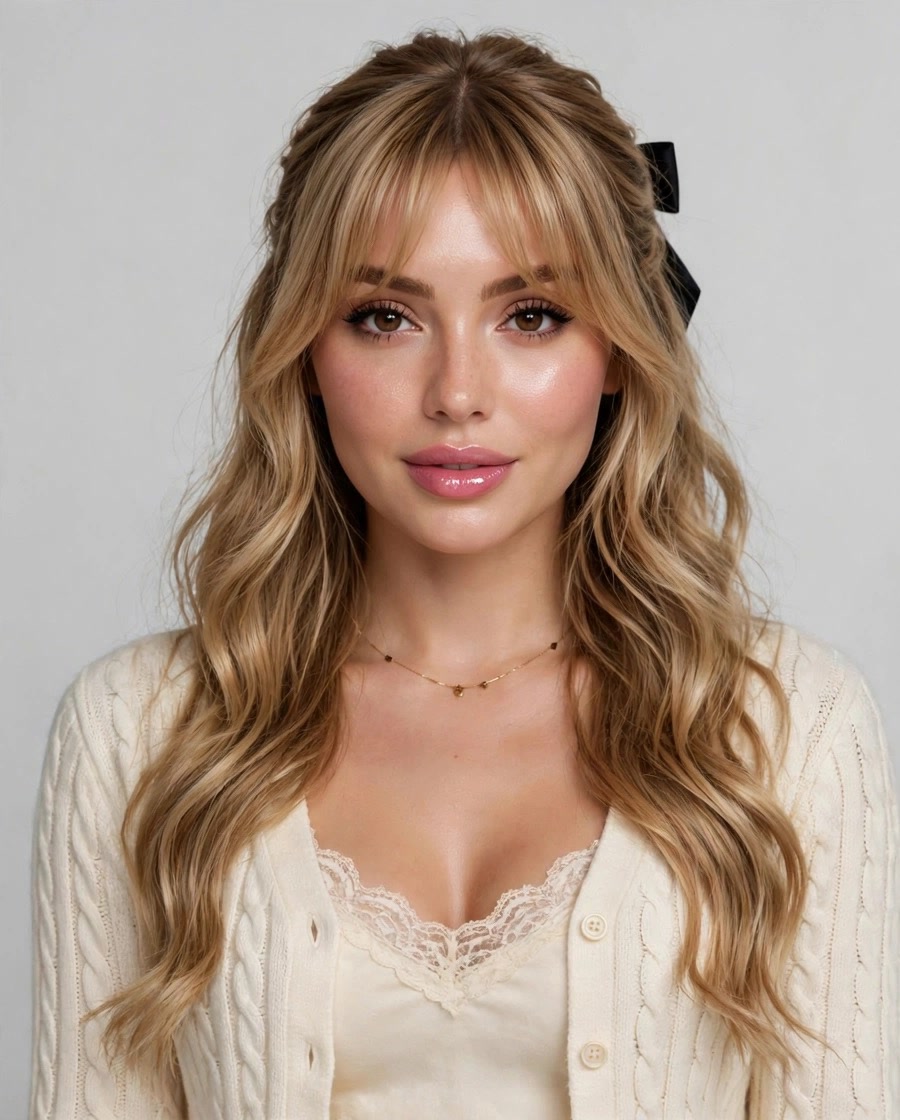
 Prompt adaptado de @beizhi606
参考图说明:参考图1是人物大头照(脸、五官、发型、发色、妆容都以它为准),参考图2是同一个人的三视图(服装、配饰、鞋子、身材都以它为准)。人物是 25 岁的欧美女性,Instagram 博主风格的精致妆容。下文里「原视频里」的发型、发色和穿搭描述一律忽略,以参考图为准。

中文提示词(10.00秒)
人物:
脸部: 人物的长相、五官、发型、发色和妆容严格按照。
服装和身材: 人物的服装穿搭、配饰和身材比例严格按照。镜头2里人物背对镜头,背面的服装请参考三视图的背面。
一致性: 4个镜头里都是同一个人,脸和服装全程保持一致,切镜后不能变样;镜头2镜子里的倒影也必须是同一个人、同一套服装。

道具:
镜头1:一把黑色的厨房食物夹。
镜头4:一把黑色的锅铲。

场景:
场景是一个居家厨房,以及厨房门口连着的客厅。

厨房: 墙面贴着白色大理石纹理的瓷砖,灶台是黑色的,上面放着一口黑色的炒锅,台面上摆着各种调料瓶、刀架和杂物。厨房门是白色的,墙顶挂着几个红色的小灯笼。
客厅: 浅木色的地板,门背后挂着一面全身镜,地上有一只黑猫。

光线:
室内自然日光,光线柔和均匀,色调是偏冷的白灰色,干净通透。

分镜
镜头1|0.00–3.27秒|广角近景,拿着食物夹对镜头互动

机位: 手机离人物很近,略微俯拍,用广角镜头,画面是人物的脸和上半身,背景是厨房的瓷砖墙、白色的门和灶台上的黑色炒锅。
0.00–0.60秒: 人物低着头,眼睛往下看,带着一点浅笑;画面左侧的那只手拿着黑色食物夹,放在画面左下角。
0.60–1.00秒: 人物抬起头看向镜头,镜头稍微往前凑近一点。
1.00–1.60秒: 人物看着镜头,嘴角轻轻扬起,食物夹移到画面左侧边缘。
1.60–2.00秒: 人物把食物夹朝镜头伸过来,夹头出现在画面左侧前景里,有虚焦。
2.00–2.60秒: 人物用食物夹在镜头前一开一合地"夹"了几下,眼睛微微眯起,露出俏皮的笑。
2.60–3.27秒: 食物夹收回到画面左侧,人物看着镜头微笑。在3.27秒硬切。

镜头2|3.27–4.70秒|全身镜前,背对镜头再回头

机位: 镜头在人物身后偏右的位置,平视,画面是中景。画面左半部分是全身镜里人物的正面倒影,右半部分是人物本人的背面。客厅的木地板上能看到一只黑猫。
3.27–4.00秒: 人物背对镜头,面朝全身镜站着,一只手叉腰,另一只手轻轻扶着镜子的边缘;镜子里的倒影看着她自己。
4.00–4.20秒: 人物的头从肩膀上方转过来,回头看向镜头。
4.20–4.70秒: 人物回头直视镜头,表情平静;镜子里的倒影转成侧脸。在4.70秒硬切。

镜头3|4.70–5.50秒|高角度俯拍,在灶台边站着

机位: 镜头放在厨房的高处角落,从上往下俯拍人物的全身,用广角镜头,画面里能看到黑色灶台、炒锅、调料瓶和白色的门。
4.70–5.50秒: 人物站在灶台旁边,双手背在身后,抬头看着镜头微笑,身体轻轻晃一下。在5.50秒硬切。

镜头4|5.50–10.00秒|拿着锅铲,近景表情变化

机位: 手机离人物比较近,略微俯拍,用广角镜头,画面是人物的胸口以上。背景里有白色的门、门把手、大理石瓷砖墙、黑色炒锅,墙顶挂着红色小灯笼。
5.50–5.90秒: 人物画面左侧的那只手拿着黑色锅铲,举到肩膀的高度,锅铲头朝上。她看着镜头,开口用英文说出台词「Look, isn't this spatula so handy?」,带着笑。
5.90–6.30秒: 人物的眼睛看向画面一侧,嘴唇嘟起来。
6.30–6.90秒: 人物低头,眼睛往下看,嘴唇抿着。
6.90–7.30秒: 人物抬眼看向镜头,眉头微微皱起,嘴巴轻轻嘟着。
7.30–8.40秒(补充): 人物保持皱眉嘟嘴看着镜头,拿着锅铲的手在空中朝镜头轻轻点两下。
8.40–9.30秒(补充): 人物的眉头慢慢松开,嘴角忍不住往上扬。
9.30–10.00秒(补充): 人物看着镜头露出笑容,锅铲还举在肩膀旁边,定格收尾。从低头到抬头、举锅铲的动作要连贯流畅地过渡,不得跳帧或姿势瞬移。

风格:
风格是抖音/小红书的居家vlog短视频,手机广角原相机的质感,加了美颜和磨皮,肤色白皙通透。自然日光,冷白色调,写实,高清,表情生动自然。

音频:
全程是好听的轻快配乐(尤克里里、手风琴风格的明亮纯音乐),3.27秒、4.70秒、5.50秒的三次切镜都卡在节拍上。镜头4里人物开口用英文说出台词「Look, isn't this spatula so handy?」,人声是自然的美式英语,清晰自然,配乐压低、不盖过人声。除这句台词外,全程不得出现任何其他人声、怪叫、笑声或其他奇怪的声音。

参数:
16:9横屏,10.00秒,30fps,写实,4个镜头。

负面提示词: 换脸、服装变化、切镜后人物变样、镜子倒影和本人不一致、倒影变成别人、五官变形、手指畸形、食物夹或锅铲变形、多余手臂、广角导致的严重畸变、画面闪烁、低清、水印、字幕、跳帧、动作瞬移、姿势突变、奇怪的人声、怪叫、无故笑声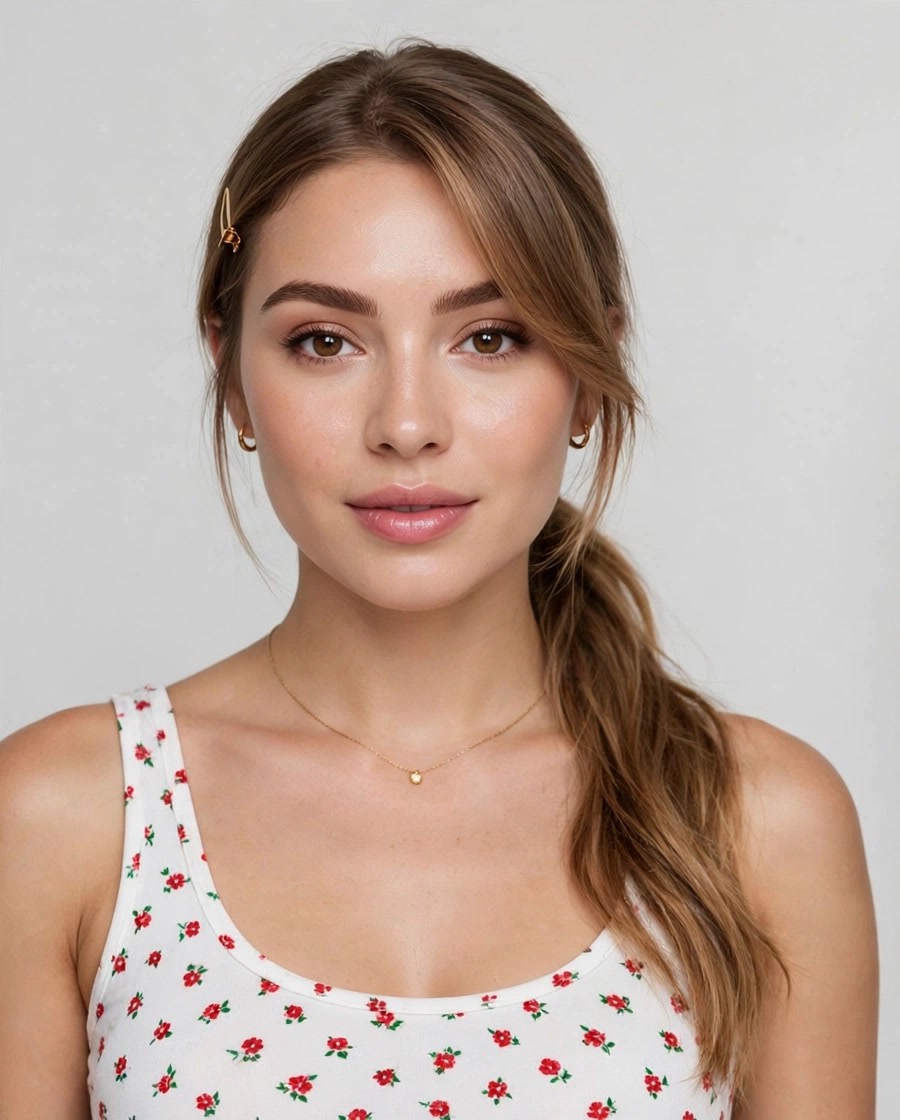
 Prompt adaptado de @beizhi606
参考图说明:参考图1是人物大头照(脸、五官、发型、发色、妆容都以它为准),参考图2是同一个人的三视图(服装、配饰、鞋子、身材都以它为准)。人物是 25 岁的欧美女性,Instagram 博主风格的精致妆容。下文里「原视频里」的发型、发色和穿搭描述一律忽略,以参考图为准。

中文提示词(10.00秒)
·脸部:完全按【参考图1 大头照】,五官、脸型、发型、发色都以大头照为准,全程保持同一张脸。原视频里是黑色长发,低马尾搭在右肩前面,有侧分刘海,左侧别一个小发夹。
·服装和身材:完全按【参考图2 三视图】,包括服装款式、颜色、配饰和身材比例。以下是原视频的穿搭,只在没有参考时备用:
·白色背心,上面有红色小碎花印花:
·浅蓝色牛仔短裤:
·右手腕戴红色串珠手链,脖子上有金色细项链。
·一致性:全程人物的脸和服装都不能变。
场景

• 老式居民楼的楼道和阳台,人物站在楼上一层的水泥栏杆后面,栏杆是一根根竖着的方形水泥柱,表面斑驳。
• 背景是灰色水泥墙,墙上有几根电线横着穿过。
• 机位在楼下一层,画面最下方前景是一根黄色金属扶手。
• 中段镜头拉开一点时,能稍微看到上方一层水泥栏杆阳台的下沿和电线即可,不要拉成远景。

光线:阴天的自然光,光线柔和均匀,偏灰调,低饱和,写实。

机位(本版重点):手持拍摄,从楼下往上仰拍,竖屏。前半段是近距离中近景,人物上半身占画面主体;约 4.6 秒开始只轻轻往后拉一次,拉到中景(人物腰部以上、头部约占画面高度三分之一)就立刻停住,之后一直保持这个距离固定拍到结尾,不再继续拉远、不往下拉成远景,人物不能变小。全程只有轻微手持晃动。

分镜
• 0.00–0.40:镜头从下往上快速甩,画面先是模糊的黄色扶手和水泥栏杆,有动态模糊,随即稳定成近距离中近景。
• 0.40–0.60:人物站在栏杆后面,上半身往前探出栏杆,左手扶着栏杆顶部,右手从栏杆之间向下伸出,掌心朝下,手指张开,伸向镜头。
• 0.60–1.60:保持向下伸手的姿势,头往右歪,微笑着看向镜头,马尾垂在右肩前。
• 1.60–2.80:头慢慢回正,继续微笑看镜头,右手还向下伸着,手指轻轻动了一下。
• 2.80–3.60:头又往左歪,眼睛半眯,嘴角上扬,身体随着节奏轻轻晃动。
• 3.60–4.60:头回到正面,看着镜头,右手保持向下伸出,镜头不动。
• 4.60–6.50:镜头只轻轻往后拉一次,拉到中景就停:人物稍微变小一点,上方一层阳台下沿和电线稍微进画,黄色扶手仍在画面下方;人物保持伸手姿势看着镜头。
• 6.50–7.50:镜头停住不动,保持这个中景距离,人物保持向下伸手、微笑看镜头。
• 7.50–8.80:镜头仍固定在这个距离。人物慢慢把右手收回到栏杆上,双手扶着栏杆,头微微歪着。
• 8.80–10.00:人物保持双手扶栏杆、身体往前探的姿势,头抬着、微笑看着镜头直到结束,不要把头伏到手臂或栏杆上;镜头保持距离不再拉动。

风格:写实真人质感,手机竖屏随手拍的感觉,阴天的灰调,低饱和,有轻微手持晃动。

字幕:不要在生成时让模型写任何字幕文字(字幕后期再加)。

音频:保留背景音乐,镜头拉开的时候对准音乐节拍。

参数:10.00 秒,9:16 竖屏,720×1280,30fps。

负面提示词:一直拉远、持续变焦拉远、远景、人物变得很小、换脸、五官变形、脸显老、发型改变、服装颜色或款式变化、手链消失或戴错手、多出手指、手部畸形、伸出的手臂过长、肢体扭曲、栏杆穿过身体、建筑结构错乱、画面闪烁、乱码文字、水印。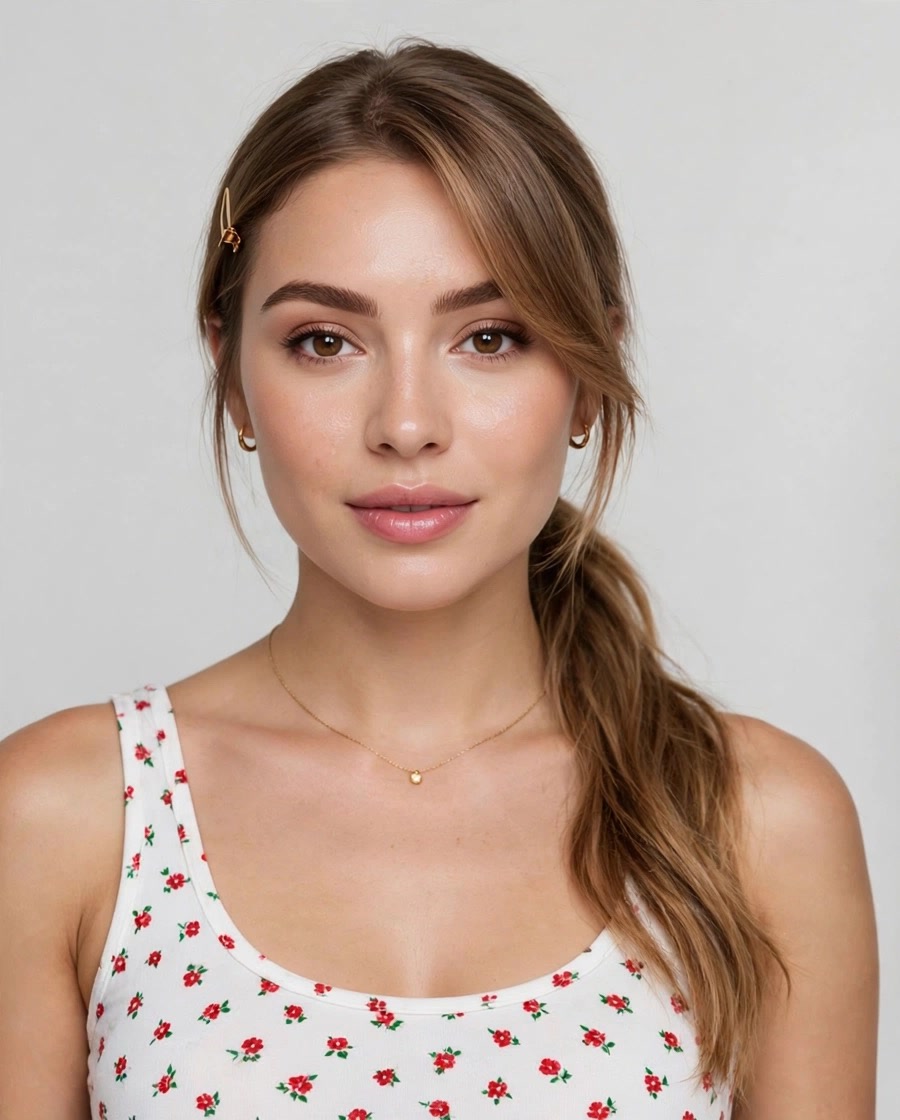
 Prompt adaptado de @beizhi606
参考图说明:参考图1是人物大头照(脸、五官、发型、发色、妆容都以它为准),参考图2是同一个人的三视图(服装、配饰、鞋子、身材都以它为准)。人物是 25 岁的欧美女性,Instagram 博主风格的精致妆容。下文里「原视频里」的发型、发色和穿搭描述一律忽略,以参考图为准。

中文提示词(10.00秒)
·脸部:完全按【参考图1 大头照】,五官、脸型、发型、发色都以大头照为准,全程保持同一张脸。原视频里是黑色长发,低马尾搭在右肩前面,有侧分刘海,左侧别一个小发夹。
·服装和身材:完全按【参考图2 三视图】,包括服装款式、颜色、配饰和身材比例。以下是原视频的穿搭,只在没有参考时备用:
·白色背心,上面有红色小碎花印花:
·浅蓝色牛仔短裤:
·右手腕戴红色串珠手链,脖子上有金色细项链。
·一致性:全程人物的脸和服装都不能变。
场景

• 老式居民楼的楼道和阳台,人物站在楼上一层的水泥栏杆后面,栏杆是一根根竖着的方形水泥柱,表面斑驳。
• 背景是灰色水泥墙,墙上有几根电线横着穿过。
• 机位在楼下一层,画面最下方前景是一根黄色金属扶手。
• 中段镜头拉开一点时,能稍微看到上方一层水泥栏杆阳台的下沿和电线即可,不要拉成远景。

光线:阴天的自然光,光线柔和均匀,偏灰调,低饱和,写实。

机位(本版重点):手持拍摄,从楼下往上仰拍,竖屏。前半段是近距离中近景,人物上半身占画面主体;约 4.6 秒开始只轻轻往后拉一次,拉到中景(人物腰部以上、头部约占画面高度三分之一)就立刻停住,之后一直保持这个距离固定拍到结尾,不再继续拉远、不往下拉成远景,人物不能变小。全程只有轻微手持晃动。

分镜
• 0.00–0.40:镜头从下往上快速甩,画面先是模糊的黄色扶手和水泥栏杆,有动态模糊,随即稳定成近距离中近景。
• 0.40–0.60:人物站在栏杆后面,上半身往前探出栏杆,左手扶着栏杆顶部,右手从栏杆之间向下伸出,掌心朝下,手指张开,伸向镜头。
• 0.60–1.60:保持向下伸手的姿势,头往右歪,微笑着看向镜头,马尾垂在右肩前。
• 1.60–2.80:头慢慢回正,继续微笑看镜头,右手还向下伸着,手指轻轻动了一下。
• 2.80–3.60:头又往左歪,眼睛半眯,嘴角上扬,身体随着节奏轻轻晃动。
• 3.60–4.60:头回到正面,看着镜头,右手保持向下伸出,镜头不动。
• 4.60–6.50:镜头只轻轻往后拉一次,拉到中景就停:人物稍微变小一点,上方一层阳台下沿和电线稍微进画,黄色扶手仍在画面下方;人物保持伸手姿势看着镜头。
• 6.50–7.50:镜头停住不动,保持这个中景距离,人物保持向下伸手、微笑看镜头。
• 7.50–8.80:镜头仍固定在这个距离。人物慢慢把右手收回到栏杆上,双手扶着栏杆,头微微歪着。
• 8.80–10.00:人物保持双手扶栏杆、身体往前探的姿势,头抬着、微笑看着镜头直到结束,不要把头伏到手臂或栏杆上;镜头保持距离不再拉动。

风格:写实真人质感,手机竖屏随手拍的感觉,阴天的灰调,低饱和,有轻微手持晃动。

字幕:不要在生成时让模型写任何字幕文字(字幕后期再加)。

音频:保留背景音乐,镜头拉开的时候对准音乐节拍。

参数:10.00 秒,9:16 竖屏,720×1280,30fps。

负面提示词:一直拉远、持续变焦拉远、远景、人物变得很小、换脸、五官变形、脸显老、发型改变、服装颜色或款式变化、手链消失或戴错手、多出手指、手部畸形、伸出的手臂过长、肢体扭曲、栏杆穿过身体、建筑结构错乱、画面闪烁、乱码文字、水印。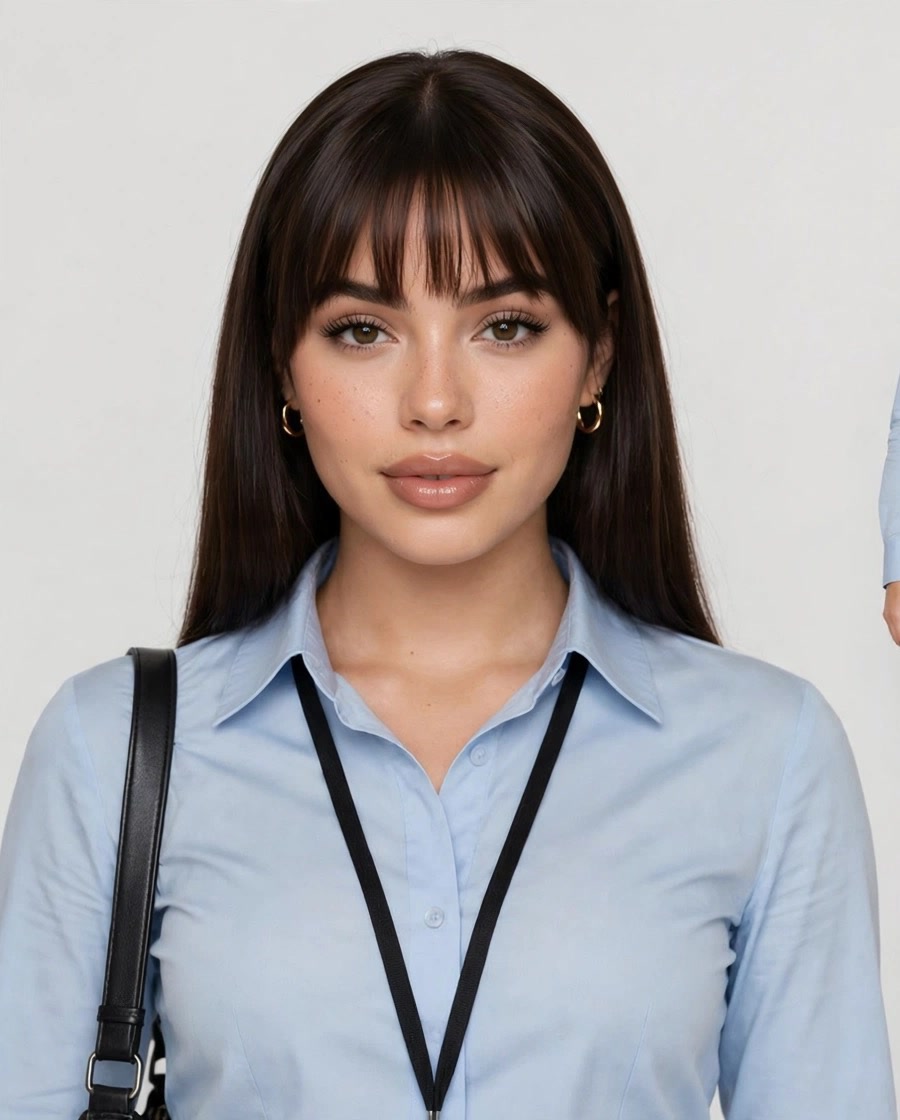
 Prompt adaptado de @beizhi606
参考图说明:参考图1是人物大头照(脸、五官、发型、发色、妆容都以它为准),参考图2是同一个人的三视图(服装、配饰、鞋子、身材都以它为准)。人物是 25 岁的欧美女性,Instagram 博主风格的精致妆容。下文里「原视频里」的发型、发色和穿搭描述一律忽略,以参考图为准。

中文提示词(10.00秒)
人物

• 脸部:完全按【参考图1 大头照】,五官、脸型、发型、发色都以大头照为准,每个镜头保持同一张脸。原视频里是黑棕色齐腰长直发、齐刘海。
• 服装和身材:完全按【参考图2 三视图】,包括服装款式、颜色、配饰、鞋子和身材比例。原视频里的穿搭只作为没有参考时的备用:
• 浅蓝色长袖衬衫,扎进裙子里;
• 灰色包臀短裙;
• 黑色薄丝袜,黑色尖头细高跟鞋;
• 胸前挂黑色挂绳工牌;
• 黑色单肩包。

• 一致性:5 个镜头里人物的脸和服装不能变。

场景

• 地铁车厢里,白色车厢内壁,金属扶手竖杆。
• 车门边有黄黑警示条,门上有出口和安全标识。
• 车厢里有其他乘客:有的低头看手机,有的坐着,有的站着,有的放着红色行李箱和紫色袋子。乘客都是自然状态,不看镜头。

光线:地铁车厢顶部的白色日光灯,照明均匀明亮,偏冷白色调,写实。

机位:都是手机手持拍摄,平视或略低机位,竖屏。

分镜
镜头1|0.00–1.97秒|靠在车门边站着,旁边是看手机的乘客

• 机位:平视中全景,竖屏能拍到全身。画面左侧前景是一位穿蓝色T恤、低头看手机的男乘客,人物在画面中间偏右,背靠车门。
• 0.00–0.40:人物背靠车门,一条腿弯曲,脚掌向后抵在车门上。右手抬到颈侧摸着头发,看向镜头。
• 0.40–0.80:抬起的脚放回地面,变成双脚并拢站立,右手放下到胸前。
• 0.80–1.40:双手自然垂放,身体靠着车门,头微微低下。
• 1.40–1.97:右手抬到耳边,把头发往耳后拨,眼睛向下看。

镜头2|1.97–3.37秒|坐在座位上跷腿,侧脸看向左边

• 机位:略高的侧前方机位,中全景。人物在画面右侧,坐在地铁座椅上,左侧有一位戴眼镜、穿深色衣服的男乘客,低头看手机,旁边还站着一位乘客。
• 1.97–2.60:硬切进来。人物跷着二郎腿,黑色单肩包放在大腿上,双手放在包上,头转向画面左侧,侧脸朝镜头。
• 2.60–3.37:姿势不变,眼睛看着左前方,头发自然垂在背后,身体基本保持不动。

镜头3|3.37–5.33秒|手扶竖杆站着,拨头发

• 机位:正面平视中景,拍到大腿以上。人物站在车厢过道中间,左边是金属竖杆,背景是纵深的车厢和其他乘客。镜头缓慢往前推。
• 3.37–3.90:硬切进来。人物右手握着竖杆,左肩背着黑色包,看着镜头。
• 3.90–4.40:左手抬起来,把脸侧的头发往耳后拨。
• 4.40–5.33:左手停在耳边扶着头发,头微微向右歪,看着镜头,右手一直握着竖杆。

镜头4|5.33–7.27秒|背靠车厢隔板站着,手里拿奶茶

• 机位:平视全景,画面从车厢纵深方向拍过去。人物在画面右侧,背靠车门旁的白色隔板,左边是长长的车厢,里面有很多乘客和行李箱。
• 5.33–6.00:硬切进来。人物背靠隔板站着,双腿并拢,左手在胸前拿着一杯带吸管的奶茶,右手垂在身侧,黑色包放在脚边或挂在手臂上,看着镜头。
• 6.00–7.27:姿势基本不变,头微微转向车厢一侧,再转回来看着镜头,镜头有轻微的手持晃动。

镜头5|7.27–8.73秒|靠墙曲腿,拨头发后转头

• 机位:平视中全景,比镜头4离人物更近。人物还是靠着同一块白色隔板,左边背景是坐着的乘客和行李。
• 7.27–7.60:硬切进来。人物背靠隔板,一条腿弯曲,脚掌向后抵在隔板上。右手抬到头侧拨头发,左手拿着奶茶,头歪着看向镜头。
• 7.60–8.10:右手放下,叉在腰侧,还保持曲腿姿势。
• 8.10–8.73:抬起的脚放回地面,双腿并拢站直。头转向画面左侧,看向车厢里面,侧脸朝镜头。

(补充)镜头5延续|8.73–10.00

• 8.73–9.40:机位不变。人物保持站立,慢慢把头转回来看着镜头。
• 9.40–10.00:左手拿着奶茶放在胸前,右手自然垂下,身体轻轻靠着隔板,画面停在这个构图上直到结束。

风格:写实真人质感,手机竖屏随手拍的感觉,高清,自然生活场景,带轻微手持晃动。

音频:保留背景音乐,切镜点 1.97、3.37、5.33、7.27 秒对准音乐节拍。

参数:10.00 秒,9:16 竖屏,1080×1920,30fps。

负面提示词:换脸、五官变形、发型改变、服装颜色或款式变化、工牌消失、多出手指、肢体扭曲、腿部比例异常、路人看镜头、路人脸部畸形、画面闪烁、文字水印、背景变形、车厢结构错乱。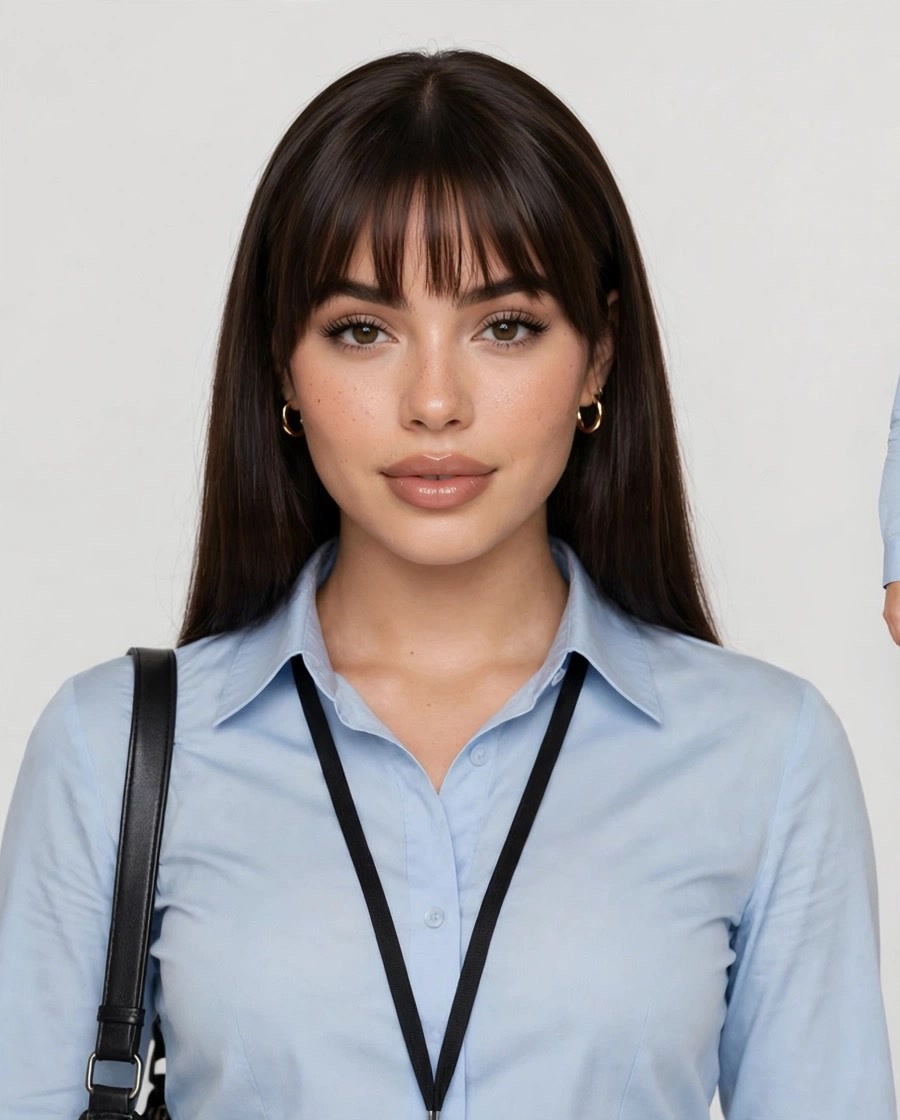
 Prompt adaptado de @beizhi606
参考图说明:参考图1是人物大头照(脸、五官、发型、发色、妆容都以它为准),参考图2是同一个人的三视图(服装、配饰、鞋子、身材都以它为准)。人物是 25 岁的欧美女性,Instagram 博主风格的精致妆容。下文里「原视频里」的发型、发色和穿搭描述一律忽略,以参考图为准。

中文提示词(10.00秒)
人物

• 脸部:完全按【参考图1 大头照】,五官、脸型、发型、发色都以大头照为准,每个镜头保持同一张脸。原视频里是黑棕色齐腰长直发、齐刘海。
• 服装和身材:完全按【参考图2 三视图】,包括服装款式、颜色、配饰、鞋子和身材比例。原视频里的穿搭只作为没有参考时的备用:
• 浅蓝色长袖衬衫,扎进裙子里;
• 灰色包臀短裙;
• 黑色薄丝袜,黑色尖头细高跟鞋;
• 胸前挂黑色挂绳工牌;
• 黑色单肩包。

• 一致性:5 个镜头里人物的脸和服装不能变。

场景

• 地铁车厢里,白色车厢内壁,金属扶手竖杆。
• 车门边有黄黑警示条,门上有出口和安全标识。
• 车厢里有其他乘客:有的低头看手机,有的坐着,有的站着,有的放着红色行李箱和紫色袋子。乘客都是自然状态,不看镜头。

光线:地铁车厢顶部的白色日光灯,照明均匀明亮,偏冷白色调,写实。

机位:都是手机手持拍摄,平视或略低机位,竖屏。

分镜
镜头1|0.00–1.97秒|靠在车门边站着,旁边是看手机的乘客

• 机位:平视中全景,竖屏能拍到全身。画面左侧前景是一位穿蓝色T恤、低头看手机的男乘客,人物在画面中间偏右,背靠车门。
• 0.00–0.40:人物背靠车门,一条腿弯曲,脚掌向后抵在车门上。右手抬到颈侧摸着头发,看向镜头。
• 0.40–0.80:抬起的脚放回地面,变成双脚并拢站立,右手放下到胸前。
• 0.80–1.40:双手自然垂放,身体靠着车门,头微微低下。
• 1.40–1.97:右手抬到耳边,把头发往耳后拨,眼睛向下看。

镜头2|1.97–3.37秒|坐在座位上跷腿,侧脸看向左边

• 机位:略高的侧前方机位,中全景。人物在画面右侧,坐在地铁座椅上,左侧有一位戴眼镜、穿深色衣服的男乘客,低头看手机,旁边还站着一位乘客。
• 1.97–2.60:硬切进来。人物跷着二郎腿,黑色单肩包放在大腿上,双手放在包上,头转向画面左侧,侧脸朝镜头。
• 2.60–3.37:姿势不变,眼睛看着左前方,头发自然垂在背后,身体基本保持不动。

镜头3|3.37–5.33秒|手扶竖杆站着,拨头发

• 机位:正面平视中景,拍到大腿以上。人物站在车厢过道中间,左边是金属竖杆,背景是纵深的车厢和其他乘客。镜头缓慢往前推。
• 3.37–3.90:硬切进来。人物右手握着竖杆,左肩背着黑色包,看着镜头。
• 3.90–4.40:左手抬起来,把脸侧的头发往耳后拨。
• 4.40–5.33:左手停在耳边扶着头发,头微微向右歪,看着镜头,右手一直握着竖杆。

镜头4|5.33–7.27秒|背靠车厢隔板站着,手里拿奶茶

• 机位:平视全景,画面从车厢纵深方向拍过去。人物在画面右侧,背靠车门旁的白色隔板,左边是长长的车厢,里面有很多乘客和行李箱。
• 5.33–6.00:硬切进来。人物背靠隔板站着,双腿并拢,左手在胸前拿着一杯带吸管的奶茶,右手垂在身侧,黑色包放在脚边或挂在手臂上,看着镜头。
• 6.00–7.27:姿势基本不变,头微微转向车厢一侧,再转回来看着镜头,镜头有轻微的手持晃动。

镜头5|7.27–8.73秒|靠墙曲腿,拨头发后转头

• 机位:平视中全景,比镜头4离人物更近。人物还是靠着同一块白色隔板,左边背景是坐着的乘客和行李。
• 7.27–7.60:硬切进来。人物背靠隔板,一条腿弯曲,脚掌向后抵在隔板上。右手抬到头侧拨头发,左手拿着奶茶,头歪着看向镜头。
• 7.60–8.10:右手放下,叉在腰侧,还保持曲腿姿势。
• 8.10–8.73:抬起的脚放回地面,双腿并拢站直。头转向画面左侧,看向车厢里面,侧脸朝镜头。

(补充)镜头5延续|8.73–10.00

• 8.73–9.40:机位不变。人物保持站立,慢慢把头转回来看着镜头。
• 9.40–10.00:左手拿着奶茶放在胸前,右手自然垂下,身体轻轻靠着隔板,画面停在这个构图上直到结束。

风格:写实真人质感,手机竖屏随手拍的感觉,高清,自然生活场景,带轻微手持晃动。

音频:保留背景音乐,切镜点 1.97、3.37、5.33、7.27 秒对准音乐节拍。

参数:10.00 秒,9:16 竖屏,1080×1920,30fps。

负面提示词:换脸、五官变形、发型改变、服装颜色或款式变化、工牌消失、多出手指、肢体扭曲、腿部比例异常、路人看镜头、路人脸部畸形、画面闪烁、文字水印、背景变形、车厢结构错乱。Qué acepta Muse Video y qué no. Las resoluciones, proporciones, duraciones y entradas no admitidas se rechazan con un 400 antes de crear la tarea, así que no se cobra nada.
| Compatible | No compatible | |
|---|---|---|
| Resolución | Solo 720p (resolution: 720p, o sin indicarla) | 1080p, 2K, 4K, 480p |
| Relación de aspecto | 16:9 horizontal, 1280×720 (por defecto); 9:16 vertical, 720×1280 | Cuadrado 1:1, 4:3, 3:4, 21:9 y cualquier otra proporción |
| Duración | De 4 a 30 segundos enteros; 5, 6, 8, 10, 15, 20, 25 y 30 s salen exactos, el resto se redondea hacia arriba al siguiente de esos valores | Menos de 4 s, más de 30 s, fracciones como 8.5 |
| Imágenes | Una de dos: 1 primer fotograma, o hasta 4 imágenes de referencia que mantienen a la misma persona o elemento (no ambas cosas); PNG, JPEG o WebP, hasta 20 MB cada una, URL pública o base64 | Un primer fotograma junto con imágenes de referencia, más de 4 imágenes de referencia, un último fotograma |
| Entrada de vídeo y audio | Ninguna: las imágenes son la única entrada multimedia | Vídeo de referencia, edición o extensión de vídeo, audio que guíe la animación o sincronización labial con tu propio audio |
| Sonido | Lo genera el modelo junto con la imagen | Una opción para quitar el sonido (generate_audio: false se rechaza); no se garantiza que cada clip tenga sonido |
| Otros controles | Un prompt de hasta 4000 caracteres en cualquier idioma; los movimientos de cámara se describen en el prompt | negative_prompt, seed (los resultados no son reproducibles), parámetros de control de cámara |
Como todo modelo de vídeo, Muse Video no tiene una tasa de éxito del 100%. Las tareas fallidas no se cobran.
Una tarea puede fallar incluso después de aceptarse: el modelo puede rechazar el contenido, la generación puede toparse con un error temporal, o un clip terminado que no coincide con la orientación o la duración pedidas se descarta. Una tarea fallida termina en el estado failed con el motivo en failMsg, y el cargo se devuelve.
Nuestras dos peticiones de prueba del lanzamiento devolvieron un clip, pero son demasiado pocas para prometer una tasa de éxito, así que todavía no publicamos ninguna. Diseña tu flujo contando con algún fallo ocasional: reintenta los errores temporales, reescribe los prompts rechazados y no des por hecho que el clip llegará al primer intento.
El modelo puede rechazar un prompt o una imagen de entrada. Repetir la misma petición rara vez sirve; reescribe el prompt o cambia la imagen.
Una generación puede fallar por motivos que no tienen que ver con tu petición. Repetir la misma petición un poco más tarde suele funcionar.
Un clip terminado con la orientación equivocada o más corto de lo pedido se descarta en lugar de entregarse. Repite la petición.
Meta describe un sonido generado junto con la imagen, pero uno de nuestros dos clips de prueba llegó sin sonido. Si necesitas audio, comprueba que cada MP4 tenga pista de audio.
$0.037 por segundo solicitado. El primer fotograma o las imágenes de referencia no cuestan nada extra; las tareas fallidas no se cobran.
| Lo que pides | Clip que recibes | Precio |
|---|---|---|
| 4 s | 5 s | $0.148 |
| 5 s (por defecto) | 5 s | $0.185 |
| 6 s | 6 s | $0.222 |
| 7 s | 8 s | $0.259 |
| 8 s | 8 s | $0.296 |
| 10 s | 10 s | $0.37 |
| 15 s | 15 s | $0.555 |
| 20 s | 20 s | $0.74 |
| 25 s | 25 s | $0.925 |
| 30 s (máximo) | 30 s | $1.11 |
Los clips de hasta 10 segundos suelen tardar de uno a dos minutos, y los de 15 a 30 segundos, de tres a siete; nuestras peticiones de prueba de 4 segundos tardaron alrededor de minuto y medio. Los clips de más de 10 segundos cambian de plano hacia los segundos 10 y 20.
Una persona grabada de cerca con la cámara frontal, una cadena de gestos pequeños, luz cálida y tenue y música, como en el ejemplo de arriba.
Pasa hasta cuatro fotos de la misma persona en images y describe una escena nueva. En una prueba, cuatro fotos de una mujer joven y un prompt sobre una playa al atardecer dieron en 88 segundos un clip 9:16 de 5,0 segundos con sonido: la misma cara y el mismo pelo, ropa parecida e incluso la V con los dedos y la risa tapándose la boca, sacadas de las fotos. Empezaba en la playa, no en una de las fotos. Es una sola prueba, no una garantía.
Clips 9:16 para feeds de vídeo corto o 16:9 para páginas y anuncios, de 5 a 30 segundos en 720p.
Una foto de producto, una ilustración o una fotografía como primer fotograma, con el movimiento descrito en el prompt.
Muse Video solo genera 720p en 16:9 o 9:16. Si necesitas más resolución u otros formatos, elige otro modelo de vídeo en APIMODELS.
Las imágenes entran como primer fotograma o como referencias, y nada más: sin último fotograma, sin vídeo de referencia y sin sincronización labial con tu propio audio.
Algunas peticiones fallan y algunos clips llegan sin sonido. Si un clip que no llega rompe tu producto, añade reintentos y comprobaciones antes de depender de él.
Muse Video es una API de generación de video de Meta. Muse Video es el modelo de vídeo de Meta Superintelligence Labs. En APIMODELS es un solo id de modelo, muse-video, en el endpoint unificado de vídeo: envía solo un prompt para texto a vídeo, añade una imagen de primer fotograma y el clip arranca desde esa imagen, o añade hasta cuatro imágenes de referencia y el modelo mantiene a la misma persona o sujeto sin arrancar desde ellas. La petición es breve. prompt es obligatorio (hasta 4000 caracteres, en cualquier idioma). duration fija la duración en segundos enteros de 4 a 30 (también vale el campo seconds al estilo OpenAI); si lo omites, obtienes 5 segundos. aspect_ratio elige 16:9 horizontal (por defecto, 1280×720) o 9:16 vertical (720×1280); size 1280x720 o 720x1280 hace lo mismo. La salida es siempre 720p: no hay opción 1080p ni cuadrada, y pedirlas devuelve un 400 antes de crear ninguna tarea. Para imagen a vídeo, pasa el primer fotograma en image_url (también sirven first_frame_url, image e input_reference), idealmente con la misma orientación que el clip; para imágenes de referencia, pasa hasta cuatro en images (también sirven image_urls y reference_image_urls). Cada imagen es una URL pública o un data URI en base64, en PNG, JPEG o WebP. Es una cosa o la otra: un primer fotograma junto con imágenes de referencia, más de cuatro imágenes de referencia, un último fotograma, vídeo o audio de referencia, negative_prompt, seed y desactivar el sonido se rechazan con un 400. Las duraciones van por escalones. Las peticiones de 5, 6, 8, 10, 15, 20, 25 o 30 segundos vuelven exactamente con esa duración; cualquier otro número entero se redondea hacia arriba al siguiente escalón (4 → 5 s, 7 → 8 s, 11 → 15 s), así que un clip nunca es más corto de lo que pagaste. El vídeo es un MP4 H.264 a 24 fps, y Meta describe Muse Video como un modelo que genera el sonido junto con la imagen. En nuestra prueba con imágenes de referencia, cuatro fotos de una misma mujer dieron un clip de 5 segundos en la playa en el que conservaba la cara y el pelo; el modelo no arrancó desde ninguna de las fotos. Funciona como tarea asíncrona: la creas y después consultas su estado o recibes un callback. Los clips de hasta 10 segundos suelen tardar de uno a dos minutos; los de 15 a 30 segundos, de tres a siete. No todas las peticiones salen bien: el modelo puede rechazar el contenido, una generación puede sufrir un error temporal y un clip con la orientación o la duración equivocadas se descarta; una tarea fallida no se cobra. El precio es de $0.037 por segundo solicitado: 5 s $0.185, 10 s $0.37, 30 s $1.11. A través de la plataforma APIMODELS puedes acceder a este modelo mediante una API unificada con precios de pago por uso transparentes. Precio actual: per second: $0.037, 5s (default): $0.185, 8s: $0.296, 10s: $0.37, 15s: $0.555, 20s: $0.74, 30s (maximum): $1.11.
Genera rápidamente videos promocionales de marca para campañas y redes sociales.
Crea contenido de video corto atractivo para TikTok, Instagram y YouTube.
Genera demostraciones de funciones y tutoriales para mejorar la conversión.
Produce explicaciones de cursos, divulgación y videos de formación a bajo coste.
Muse Video está disponible a través de APIMODELS a: per second: $0.037, 5s (default): $0.185, 8s: $0.296, 10s: $0.37, 15s: $0.555, 20s: $0.74, 30s (maximum): $1.11. La facturación es de pago por uso: solo pagas por lo que generas.
Regístrate en APIMODELS, obtén tu clave API y llama a nuestro endpoint unificado. Ofrecemos documentación detallada con ejemplos en cURL, Python y Node.js.
APIMODELS ofrece el mismo modelo Muse Video a través de nuestra plataforma de agregación. Proporcionamos una interfaz de API unificada, así que no necesitas cuentas separadas por proveedor: una sola clave para acceder a todos los modelos.
Muse Video es el modelo de vídeo de Meta Superintelligence Labs. Convierte un prompt de texto en un clip 720p de 4 a 30 segundos en horizontal 16:9 o vertical 9:16; puedes añadir una imagen de primer fotograma para que el clip arranque desde ella, o hasta cuatro imágenes de referencia para mantener a la misma persona o el mismo sujeto. Meta lo describe como un modelo que genera el sonido junto con la imagen. En apimodels.app, el modelo Muse Video de Meta está disponible como un solo id de modelo, muse-video, en POST /v1/video/generations. Las generaciones fallidas no se cobran, y el precio es de $0.037 por segundo solicitado.
Todas las limitaciones de Muse Video: solo 720p (sin 1080p, 2K, 4K ni 480p); solo horizontal 16:9 a 1280×720 o vertical 9:16 a 720×1280 (sin formato cuadrado, 4:3, 21:9 ni ninguna otra proporción); de 4 a 30 segundos enteros, exactos en 5, 6, 8, 10, 15, 20, 25 y 30 s, el resto se redondea hacia arriba, sin decimales; imágenes: o un primer fotograma o hasta cuatro imágenes de referencia que mantienen a la misma persona o sujeto, nunca las dos cosas a la vez, cada una en PNG, JPEG o WebP de hasta 20 MB (sin último fotograma ni más de cuatro referencias); sin entrada de vídeo ni de audio, sin sincronía labial con tu propio audio y sin edición ni extensión de vídeo; Meta describe el modelo como capaz de generar sonido, pero el sonido no está garantizado en todos los clips y no se puede desactivar; sin negative_prompt, sin seed y sin parámetros de control de cámara (describe los movimientos de cámara en el prompt); prompts de hasta 4000 caracteres. Las entradas no admitidas, como otra resolución o proporción, un primer fotograma junto con imágenes de referencia, más de cuatro imágenes de referencia, un último fotograma, una entrada de vídeo o audio, negative_prompt, seed o generate_audio: false, se rechazan con un 400 antes de crear la tarea. Aun dentro de estos límites, no todas las peticiones salen bien: el modelo puede rechazar el contenido o sufrir un error temporal, y una tarea fallida no se cobra.
Sí. Un mismo id de modelo, muse-video, tiene tres modos de entrada, y el modo depende de lo que envíes. Solo un prompt es texto a vídeo. Una imagen de primer fotograma hace que el clip arranque desde ella: pásala en image_url (también sirven first_frame_url, image e input_reference). De una a cuatro imágenes de referencia mantienen a la misma persona, sujeto o estilo sin que el clip empiece en ninguna de ellas, algo útil para un personaje recurrente: pásalas como array en images (también sirven image_urls y reference_image_urls). Cualquier array cuenta como imágenes de referencia, así que image_urls con un solo elemento es una imagen de referencia, no un primer fotograma. Usa un primer fotograma o imágenes de referencia, no las dos cosas: enviar ambas, o más de cuatro referencias, devuelve un 400 antes de crear la tarea. Cada imagen va como URL pública o data URI en base64, en PNG, JPEG o WebP, de hasta 20 MB. El primer fotograma funciona mejor con la misma orientación que el clip: horizontal para 16:9 y vertical para 9:16. No se admiten último fotograma (last_frame_url), vídeo de referencia ni entrada de audio. Los tres modos cuestan lo mismo.
Las imágenes de referencia le dicen al modelo quién o qué debe aparecer; no se convierten en fotogramas del vídeo. Pasa en images de una a cuatro imágenes de la misma persona o del mismo sujeto, describe la nueva escena en el prompt y menciónalas, por ejemplo "la misma joven de las imágenes de referencia". Lo probamos una vez, el 30 de octubre de 2026: enviamos cuatro fotos de una misma joven (tumbada sobre una almohada, sonriendo, haciendo la V con los dedos y riéndose tapándose la boca) con el prompt "The same young woman from the reference images walks barefoot along a beach at sunset, smiling back at the camera, handheld vertical shot", 4 segundos en 9:16. A los 88 segundos volvió un clip de 5.0 segundos a 720×1280 con pista de audio. El clip no arrancó desde ninguna de las referencias: abrió directamente en la playa. La joven conservó la cara, el pelo y un estilo de ropa parecido (la camiseta de tirantes color crema de las referencias pasó a ser un vestido lencero blanco), el modelo reutilizó gestos de las referencias (la V y la risa tapándose la boca) y alternó varios planos dentro de los 5 segundos: primeros planos, un plano general y uno de espaldas. Es una sola prueba, no una garantía de parecido ni de cómo se monta el clip. Si el clip tiene que empezar en una imagen concreta, usa un primer fotograma. Las imágenes de referencia no cuestan nada extra: la petición de 4 segundos se cobró exactamente igual que un texto a vídeo de 4 segundos.
De 4 a 30 segundos, en segundos enteros, con duration (también vale el campo seconds al estilo OpenAI); si lo omites, obtienes 5 segundos. La duración de salida va por escalones: las peticiones de 5, 6, 8, 10, 15, 20, 25 o 30 segundos vuelven exactamente con esa duración, y cualquier otro número entero se redondea hacia arriba al siguiente escalón: 4 → 5 s, 7 → 8 s, 9 → 10 s, 11–14 → 15 s, 16–19 → 20 s, 21–24 → 25 s y 26–29 → 30 s. Un clip nunca es más corto de lo que pagaste. Si necesitas una duración exacta, pide uno de los escalones. Los decimales y los valores fuera de 4–30 devuelven un 400 antes de crear la tarea.
Solo 720p, en dos formatos: horizontal 16:9 a 1280×720, el predeterminado, y vertical 9:16 a 720×1280. Elige con aspect_ratio en 16:9 o 9:16, o con size 1280x720 o 720x1280; resolution es opcional y solo acepta 720p. No hay formato cuadrado, otras proporciones ni 1080p: pedirlos devuelve un 400 antes de crear la tarea, en lugar de entregar en silencio otro tamaño. Cada clip es un MP4 H.264 a 24 fps.
Meta describe Muse Video como un modelo que genera el sonido junto con la imagen. En nuestras propias pruebas de lanzamiento del 30 de octubre de 2026, dos peticiones de 4 segundos volvieron como dos clips de 5.0 segundos: el horizontal traía una pista de audio AAC y el vertical llegó sin sonido. Así que, si tu flujo necesita sonido, comprueba que cada MP4 tenga pista de audio (ffprobe lo muestra) y ten prevista una alternativa, como añadir música o una locución, para los clips que lleguen sin ella. El sonido no se puede desactivar: generate_audio: false devuelve un 400 ("muse-video cannot turn sound off: the model decides whether a clip has sound"), y generate_audio: true se acepta, pero no garantiza que haya sonido.
Los clips de hasta 10 segundos suelen tardar de uno a dos minutos, y los de 15 a 30 segundos, de tres a siete minutos; nuestras peticiones de prueba de 4 segundos terminaron en aproximadamente 1.5 minutos. La llamada es asíncrona: al crear la tarea recibes un taskId al instante, y luego consultas GET /v1/video/generations?task_id= cada 10 a 15 segundos o pasas callback_url y esperas nuestro POST.
$0.037 por segundo solicitado, facturado sobre la duración que envías: 4 segundos $0.148, 5 segundos (por defecto) $0.185, 6 segundos $0.222, 8 segundos $0.296, 10 segundos $0.37, 15 segundos $0.555, 20 segundos $0.74, 25 segundos $0.925 y 30 segundos $1.11. Una duración entre dos escalones se cobra por los segundos que pediste: 7 segundos cuestan $0.259 y vuelven como un clip de 8 segundos. Ni el primer fotograma ni las imágenes de referencia cuestan nada extra, así que los tres modos tienen el mismo precio, y la proporción tampoco lo cambia. Las generaciones fallidas no se cobran.
No todas las peticiones a Muse Video salen bien. Una generación puede fallar por tres motivos: el modelo rechaza el contenido, la generación sufre un error temporal, o el clip terminado tiene la orientación equivocada o es más corto de lo pedido y se descarta. Una tarea fallida termina en estado failed con el motivo en failMsg, y no se te cobra. Todavía no publicamos una tasa de éxito: nuestras dos peticiones de prueba del lanzamiento devolvieron un clip, pero dos pruebas son demasiado pocas para prometer ninguna. Reintenta los errores temporales, reescribe un prompt rechazado y no montes un flujo que dé por hecho que el primer intento siempre funciona. Las peticiones que Muse Video no puede atender ni siquiera se convierten en tareas: un prompt ausente o de más de 4000 caracteres, un duration que no sea un número entero de 4 a 30, un resolution distinto de 720p, una proporción distinta de 16:9 o 9:16, un primer fotograma junto con imágenes de referencia, más de cuatro imágenes de referencia, un último fotograma, una entrada de vídeo o audio, negative_prompt, seed o generate_audio: false devuelven un 400 con un mensaje de error claro antes de crear la tarea. Las imágenes se comprueban durante la ejecución: si una no es PNG, JPEG o WebP o pesa más de 20 MB, la tarea falla con el motivo, por ejemplo "first-frame image must be PNG, JPEG or WebP" o "reference image 2 must be PNG, JPEG or WebP", también sin cargo.
Di qué es el sujeto, cómo se mueve y cómo se mueve la cámara, por ejemplo: "un gato naranja se estira en el alféizar, entra la luz del sol, la cámara se acerca lentamente". El prompt admite hasta 4000 caracteres en cualquier idioma. Los clips de más de 10 segundos cambian de plano hacia los 10 y los 20 segundos, así que conviene escribir un prompt largo por tramos: "los primeros 10 segundos …, después …". Para imagen a vídeo, usa un primer fotograma con la misma orientación que el clip y deja que el prompt cuente lo que pasa a continuación. Con imágenes de referencia, nombra al sujeto como "la misma persona de las imágenes de referencia" y describe la nueva escena, porque el clip no arrancará desde ninguna de ellas.
Crea una cuenta en apimodels.app y genera una API key en la consola; una sola key y un solo saldo en dólares sirven para todos los modelos. Luego envía: curl -X POST https://api.apimodels.app/v1/video/generations -H "Authorization: Bearer YOUR_API_KEY" -H "Content-Type: application/json" -d '{"model": "muse-video", "prompt": "un gato naranja se estira en el alféizar, entra la luz del sol, la cámara se acerca lentamente", "duration": 5, "aspect_ratio": "16:9"}'. Añade "image_url" para partir de tu propio primer fotograma, o "images" con hasta cuatro imágenes de referencia para mantener a la misma persona o sujeto. La respuesta trae un taskId: consulta GET /v1/video/generations?task_id= cada 10 a 15 segundos hasta que state sea completed, o pasa callback_url, y descarga el MP4 de resultUrls dentro de los 30 días.
No del todo. Las cuentas nuevas que cumplen los requisitos reciben $0.10 de crédito de prueba, pero la petición más corta de Muse Video, 4 segundos, cuesta $0.148, así que una primera prueba requiere una recarga; las recargas empiezan en $10. El pago es por uso, sin suscripción. El playground de esta página muestra el precio antes de pulsar Generate, y las generaciones fallidas no se cobran.
En APIMODELS, Muse Video convive con más de 60 modelos bajo una sola clave API y un solo saldo, así que elegir es cuestión de ajuste, no de dependencia. Admite Text to Video, Image to Video (First Frame), Up to 4 Reference Images, 720p · 16:9 / 9:16, 4–30s · Exact at 5/6/8/10/15/20/25/30s, Sound with the Picture, Failed Generations Not Charged, $0.037/s y puedes valorarlo en precio y capacidad frente a otros modelos de generación de video, y cambiar modificando una sola cadena con el nombre del modelo: sin nueva cuenta ni integración. Explora todas las opciones de generación de video con precios en vivo en apimodels.app/models.
Muse Video admite: Text to Video, Image to Video (First Frame), Up to 4 Reference Images, 720p · 16:9 / 9:16, 4–30s · Exact at 5/6/8/10/15/20/25/30s, Sound with the Picture, Failed Generations Not Charged, $0.037/s. Consulta la documentación de APIMODELS para ver todos los parámetros y ejemplos de llamada.
Sí. APIMODELS expone Muse Video mediante una única API unificada y una sola clave, sin cuentas separadas por proveedor ni necesidad de gestionar tú mismo el acceso de red regional de cada proveedor.
Aceptamos Stripe (Visa, Mastercard y otras tarjetas internacionales) y Alipay. El saldo está disponible al instante tras el pago.
