
grok-4.2-imageGrok 4.2 Image — бюджетный уровень генерации изображений Grok на apimodels.app: $0.0075 за картинку, четверть от стандартного Grok Imagine Image ($0.03), на той же модели и том же эндпоинте; замеренная в продакшене медиана — 19 секунд. Умеет генерацию по тексту и редактирование с одной референсной картинкой: адрес кладётся в image_url, а сама правка описывается промптом (если назвать поле image, значение молча отбрасывается). Доступны десять соотношений сторон: 1:1, 16:9, 9:16, 4:3, 3:4, 3:2, 2:3, 2:1, 1:2 и auto, а resolution принимает 1k или 2k (по умолчанию 2k) по одной и той же плоской цене — кадр 2K (2048x2048 для квадрата, 2816x1584 для 16:9) стоит те же $0.0075, что и 1K. Три вещи, которых здесь нет: четыре сверхширокие пропорции (19.5:9, 9:19.5, 20:9, 9:20 — для них берите grok-imagine-image), инпейнтинг по маске и слияние нескольких изображений (для него — gpt-image-2 с 16 картинками или grok-imagine-image-pro с тремя). Берите этот уровень под объём и черновики; для общей работы поднимайтесь на стандартный, а за фотографической детализацией в 2K — на Pro, меняя одно-единственное поле.
Both tiers bill the same flat $0.0075 — 2K costs no extra (2048x2048 square, 2816x1584 at 16:9). 1K is about twice as fast.
Generated image will appear here
Enter a prompt and click Generate
$0.0075 per image against $0.03 on the standard Grok Imagine Image tier — same model, same endpoint. Switching tiers is a one-field change, so drafts can run cheap and only the final render needs the expensive tier
Create-then-poll by default; pass an OpenAI-style size (e.g. 1024x1024) with no callback_url and the single request blocks until the image is ready instead. Measured in production: 19s median, 22s at p90, tail to 28s — set the client timeout above 60s
Prompt only is text-to-image; add image_url (or image_base64) and the same call edits instead — no endpoint switch, no separate model name. Editing holds the input: framing, camera angle, background and lighting survive, so a recolour stays a recolour
Pass resolution 1k or 2k — the price is flat either way, so a 2K frame costs the same $0.0075 as a 1K one. Measured output: 2048x2048 for a square 2K request, 2816x1584 at 16:9. Omit the field and you get 2k by default. For comparison, grok-imagine-image-pro charges $0.12 for its 2K tier
1:1, 16:9, 9:16, 4:3, 3:4, 3:2, 2:3, 2:1, 1:2 and auto — square, portrait, landscape and the 2:1 shape social previews want. Measured against the live channel, not copied from a spec sheet: the four ultra-wide ratios (19.5:9, 9:19.5, 20:9, 9:20) are rejected on this tier, and grok-imagine-image is where you go for those
High-volume drafting and iteration, social and ad creative in odd ratios, thumbnail and banner batches, and any pipeline where per-image cost decides whether the feature ships
Mask-based inpainting (not offered — pass the original and describe the change in words), multi-image fusion (single reference only), or work needing the photoreal ceiling — use grok-imagine-image-pro for that
Grok 4.2 Image — это API категории «генерация изображений» от xAI. Grok 4.2 Image — бюджетный уровень генерации изображений Grok на apimodels.app: $0.0075 за картинку, четверть от стандартного Grok Imagine Image ($0.03), на той же модели и том же эндпоинте; замеренная в продакшене медиана — 19 секунд. Умеет генерацию по тексту и редактирование с одной референсной картинкой: адрес кладётся в image_url, а сама правка описывается промптом (если назвать поле image, значение молча отбрасывается). Доступны десять соотношений сторон: 1:1, 16:9, 9:16, 4:3, 3:4, 3:2, 2:3, 2:1, 1:2 и auto, а resolution принимает 1k или 2k (по умолчанию 2k) по одной и той же плоской цене — кадр 2K (2048x2048 для квадрата, 2816x1584 для 16:9) стоит те же $0.0075, что и 1K. Три вещи, которых здесь нет: четыре сверхширокие пропорции (19.5:9, 9:19.5, 20:9, 9:20 — для них берите grok-imagine-image), инпейнтинг по маске и слияние нескольких изображений (для него — gpt-image-2 с 16 картинками или grok-imagine-image-pro с тремя). Берите этот уровень под объём и черновики; для общей работы поднимайтесь на стандартный, а за фотографической детализацией в 2K — на Pro, меняя одно-единственное поле. Через платформу APIMODELS доступ к этой модели идёт по единому API с прозрачной оплатой по факту использования. Текущая цена: per image: $0.0075.

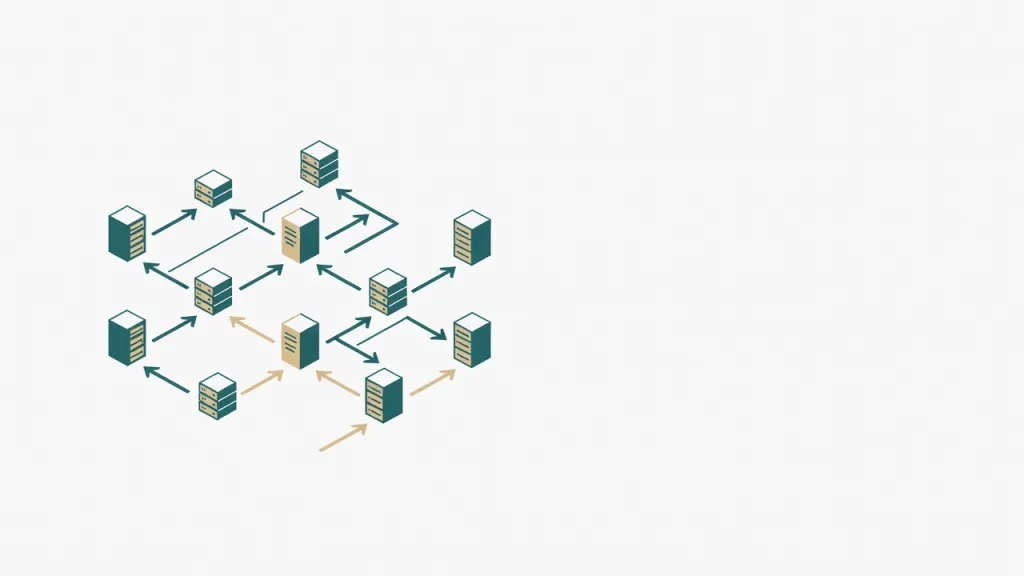
По $0.0075 за кадр можно перебрать двадцать направлений дешевле, чем один кадр на уровне Pro. Когда черновик найден, поменяйте поле model на grok-imagine-image-pro и перерисуйте именно этот промпт в полном качестве — тот же эндпоинт, те же параметры.
Одно фото товара в image_url и по одному вызову на цвет, материал или сезон. Кадрирование, ракурс, фон и свет остаются прежними, поэтому набор выглядит снятым за одну съёмку, а не собранным по отдельности.
A/B-варианты превью, шапки для блога, баннеры категорий: 16:9 и 2:1 с текстом прямо в кадре, который читается и в мелком размере. Сотня превью обойдётся в $0.75.
9:16 и 3:4 для сторис, рилсов и пинов, с запасом места под подпись. Рекламные креативы, где нужно тридцать вариантов, чтобы найти два рабочих.
Наполнить каталог, дизайн-систему или тестовую базу правдоподобными картинками вместо серых прямоугольников. Достаточно дёшево, чтобы перегенерировать весь набор при смене брифа.
Сверхширокие обои (19.5:9, 20:9) — это grok-imagine-image. Свести несколько референсов в одну сцену — gpt-image-2 (до 16) или grok-imagine-image-pro (до 3). Локальной перерисовки по маске нет ни на одном уровне Grok.
Grok 4.2 Image доступна через APIMODELS по цене: per image: $0.0075. Оплата идёт по факту использования — вы платите только за то, что сгенерировали.
Зарегистрируйтесь на APIMODELS, получите API-ключ и обращайтесь к нашему единому эндпоинту. Есть подробная документация с примерами на cURL, Python и Node.js.
APIMODELS отдаёт ту же самую модель Grok 4.2 Image через свою агрегирующую платформу. Мы предоставляем единый интерфейс API, поэтому отдельные аккаунты у каждого поставщика не нужны — один ключ открывает доступ ко всем моделям.
Это бюджетный уровень генерации изображений Grok на apimodels.app: $0.0075 за изображение, четверть цены стандартного Grok Imagine Image ($0.03), работает на той же модели через тот же эндпоинт. Текст-в-изображение и редактирование по одному референсу, медианное время в продакшене — 19 секунд. Стоит прямо сказать: у xAI нет официальной модели с названием grok-4.2-image (их модели изображений — это grok-imagine-image, -2.0 и -quality). Это имя — вызываемая модель на этой платформе, и бюджетный уровень живёт именно на нём.
Фиксированные $0.0075 за изображение — независимо от соотношения сторон и длины промпта, и та же цена, когда передаёте референсное изображение для редактирования. Неудачи никогда не тарифицируются, нет минимального пополнения или подписки. Для сравнения: стандартный уровень grok-imagine-image стоит $0.03 за изображение, а grok-imagine-image-pro — $0.08 в 1K / $0.12 в 2K.
Та же исходная модель; разница в цене и потолке возможностей. Для объёмной работы, черновиков и пакетов миниатюр или баннеров grok-4.2-image по $0.0075 даёт больше всего за деньги. Берите grok-imagine-image ($0.03), когда нужен более широкий набор соотношений сторон — включая сверхширокие 19.5:9 и 20:9 — или универсальная надёжность. Используйте grok-imagine-image-pro ($0.08 / $0.12, до 3 референсов) для фотореалистичной детализации и 2K. Все три используют один эндпоинт и одни и те же параметры, так что переключение — это правка одного поля: итерируйте на дешёвом уровне, финальный кадр рендерите на Pro.
POST https://api.apimodels.app/v1/images/generations с Authorization: Bearer YOUR_API_KEY и телом {"model":"grok-4.2-image","prompt":"..."}. По умолчанию ответ содержит taskId и state:"pending"; GET того же пути с ?task_id=xxx возвращает результат. Чтобы получить изображение в одном вызове, добавьте size в стиле OpenAI (например, "1024x1024") и не передавайте callback_url — тогда запрос будет ждать готовности изображения и вернёт форму OpenAI {created, data:[...]}. Добавьте response_format:"url", если нужна ссылка, а не base64.
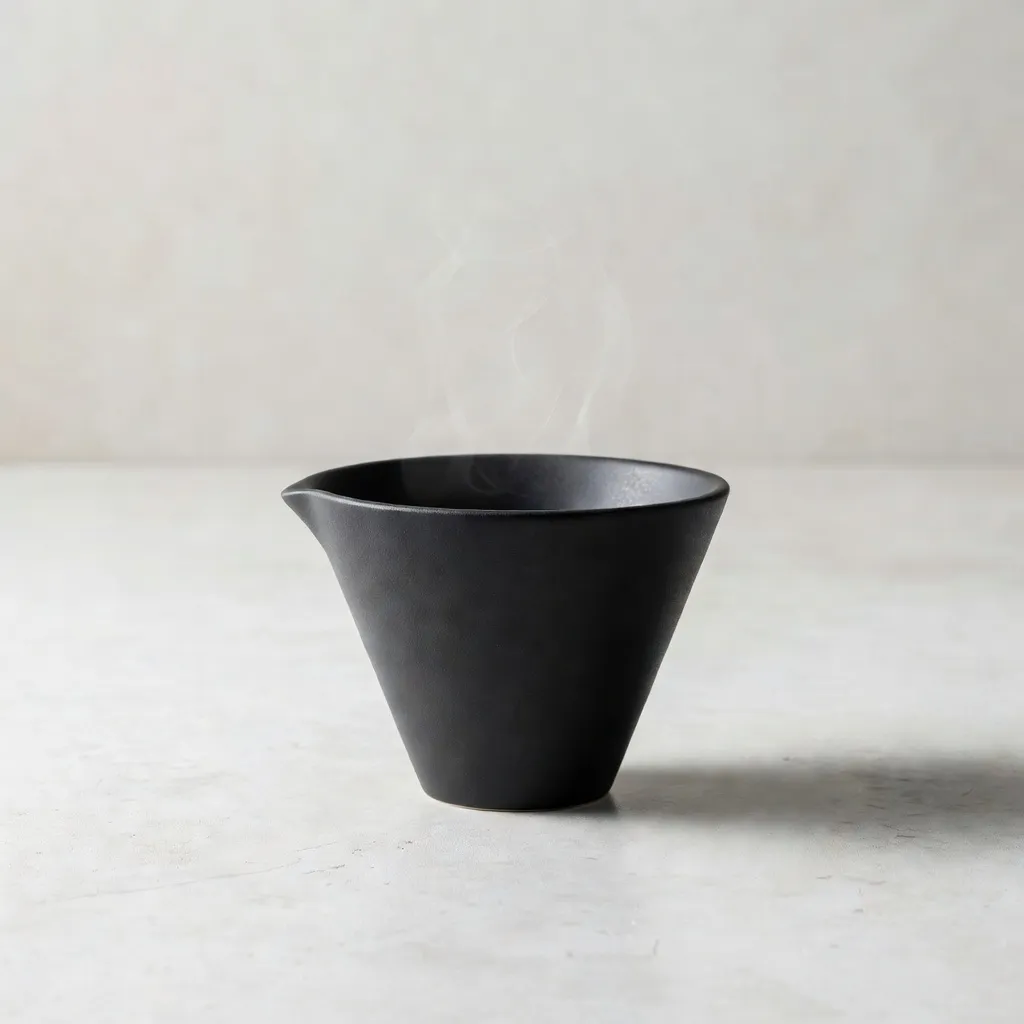
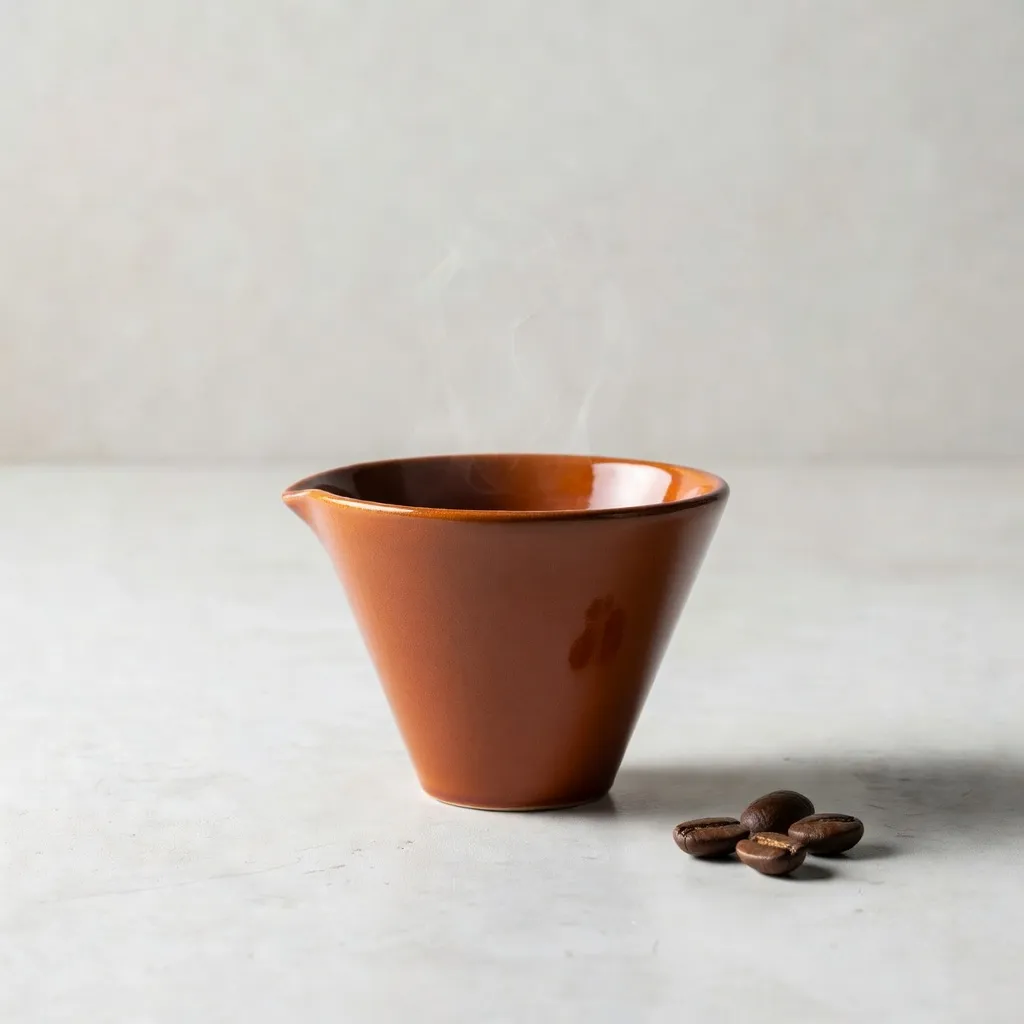
Укажите адрес изображения в **image_url** (или передайте base64 в image_base64) и опишите изменение в промпте. То же имя модели, тот же эндпоинт. Одна ловушка, о которой стоит знать: поле называется именно image_url — если написать image, оно молча будет проигнорировано, и вы получите обычную генерацию по тексту, за которую всё равно спишутся деньги. Точность хорошая: попросили сохранить композицию, угол камеры, фон и освещение и поменять только сосуд с матово-чёрного на терракотовый плюс добавить три кофейных зерна рядом — всё, что не касалось инструкции, сохранилось.
Десять значений: 1:1, 16:9, 9:16, 4:3, 3:4, 3:2, 2:3, 2:1, 1:2 и auto. Этот список получен вызовом живого канала по одному соотношению за раз, а не из спецификации — четыре сверхшироких соотношения (19.5:9, 9:19.5, 20:9, 9:20) на этом уровне отклоняются, и для них нужен grok-imagine-image. Не передавайте aspect_ratio, чтобы получить значение по умолчанию; при редактировании кадрирование следует референсному изображению.
Да, и без доплаты. Передайте resolution как 1k или 2k — **если не передать, по умолчанию будет 2k** — и любой из уровней тарифицируется одинаково по $0.0075. Измеренный вывод: 2048x2048 (4.19МП) для квадратного запроса 2K и 2816x1584 в 16:9; квадраты 1K выходят 1024x1024. Для контраста, grok-imagine-image-pro берёт $0.12 за свой уровень 2K, так что то же разрешение здесь в 16 раз дешевле. Задержка примерно одинакова на обоих уровнях (медианы в продакшене: 13с на уровне по умолчанию, 7с на 1K), с хвостом за 100с в обоих случаях, так что держите таймаут клиента выше 60 секунд. Ещё одна ловушка: если передать size в стиле OpenAI без явного resolution, уровень выводится из этого размера — отправьте 1024x1024 и попадёте на 1K. Указывайте resolution явно, когда нужен 2K.
Ни то, ни другое, если честно. Inpainting по маске принадлежал каналу, который с тех пор был выведен из эксплуатации, а не самой модели — чтобы изменить область, передайте оригинал в image_url и опишите изменение в промпте. Объединение нескольких изображений тоже недоступно: только одно референсное изображение. Если нужно несколько, используйте gpt-image-2 (до 16) или grok-imagine-image-pro (3).
По измерениям в продакшене: медиана 19 секунд, p90 — 22 секунды, с хвостом до 28 и минимумом около 6. **Установите таймаут клиента выше 60 секунд**, а не оставляйте значение по умолчанию в 10 или 30 секунд. На стандартном пути создание-затем-опрос вызов создания возвращается мгновенно, медленной является только сама генерация. Реальные проблемы проявляются как ошибка: переформулируйте промпт при отказе по содержанию, повторите попытку при сигнале о занятости апстрима. Ни то, ни другое не тарифицируется.
Семь дней, затем файлы удаляются автоматически. Скачайте и перенесите всё, что нужно сохранить — не используйте наши ссылки как постоянный хостинг изображений в своей базе данных или на страницах.
В APIMODELS Grok 4.2 Image соседствует более чем с 60 моделями под одним API-ключом и общим балансом, поэтому выбор — это вопрос соответствия задаче, а не привязки к поставщику. Модель поддерживает Text to Image, Image Editing, Native 1K / 2K, Cheapest Grok Tier; вы можете сравнить её по цене и возможностям с другими моделями категории «генерация изображений» и переключиться, изменив одну строку с именем модели — без нового аккаунта и без переписывания интеграции. Все варианты категории «генерация изображений» с актуальными ценами — на apimodels.app/models.
Grok 4.2 Image поддерживает: Text to Image, Image Editing, Native 1K / 2K, Cheapest Grok Tier. Полный список параметров и примеры вызовов — в документации APIMODELS.
Да. APIMODELS отдаёт Grok 4.2 Image через единый API и один ключ — отдельные аккаунты у каждого поставщика не нужны, и вам не приходится самостоятельно решать вопросы регионального сетевого доступа к каждому из них.
Принимаем Stripe (Visa, Mastercard и другие международные карты) и Alipay. Баланс становится доступен сразу после оплаты.
Prompts shared by their authors — copy and adapt them. Each one credits its author and links back to the original post.
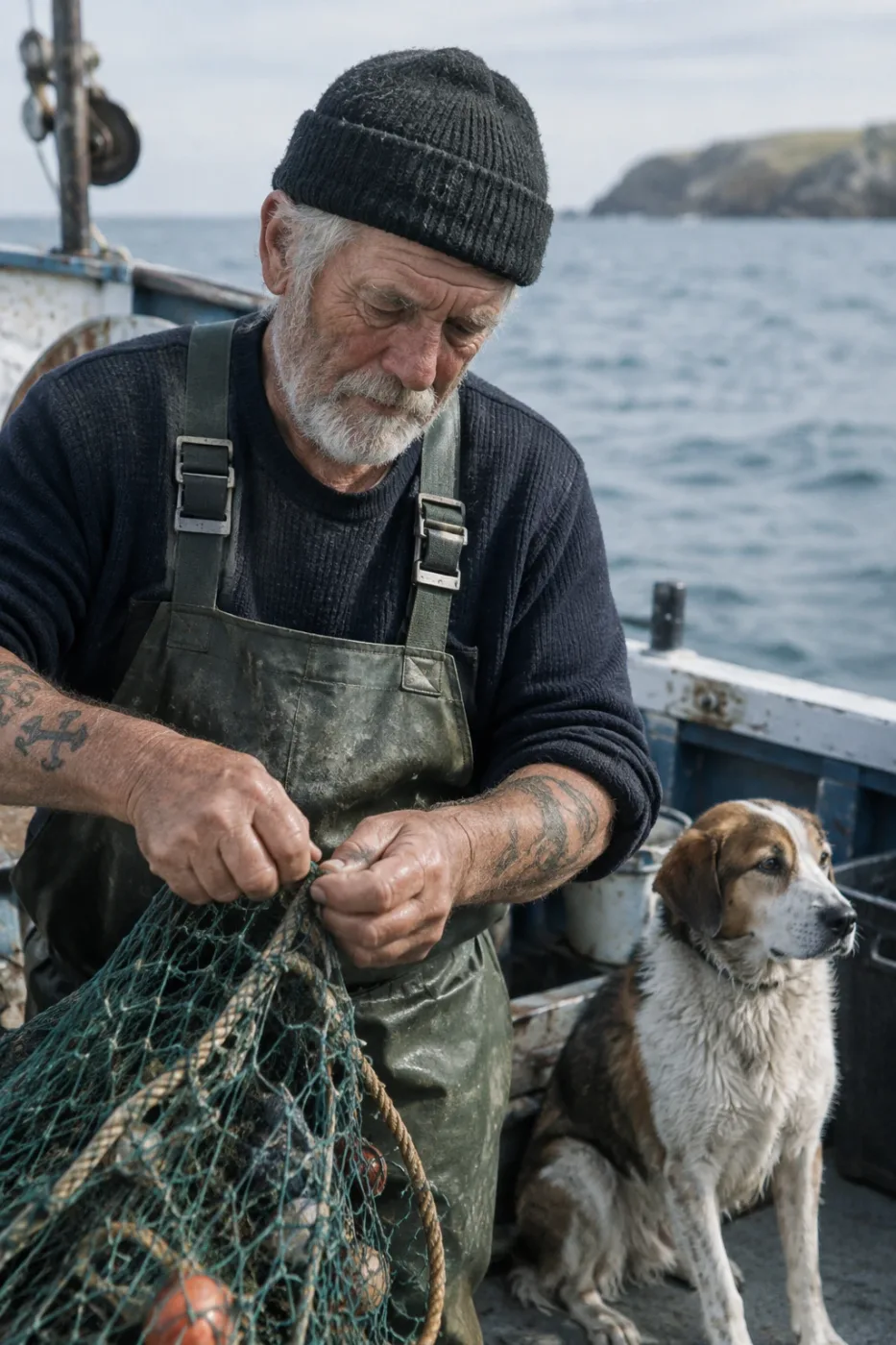
Weathered sailor on a fishing boat
Create a photorealistic candid photograph of an elderly sailor standing on a small fishing boat. He has weathered skin with visible wrinkles, pores, and sun texture, and a few faded traditional sailor tattoos on his arms. He is calmly adjusting a net while his dog sits nearby on the deck. Shot like a 35mm film photograph, medium close-up at eye level, using a 50mm lens. Soft coastal daylight, shallow depth of field, subtle film grain, natural color balance. The image should feel honest and unposed, with real skin texture, worn materials, and everyday detail. No glamorization, no heavy retouching.
by OpenAI
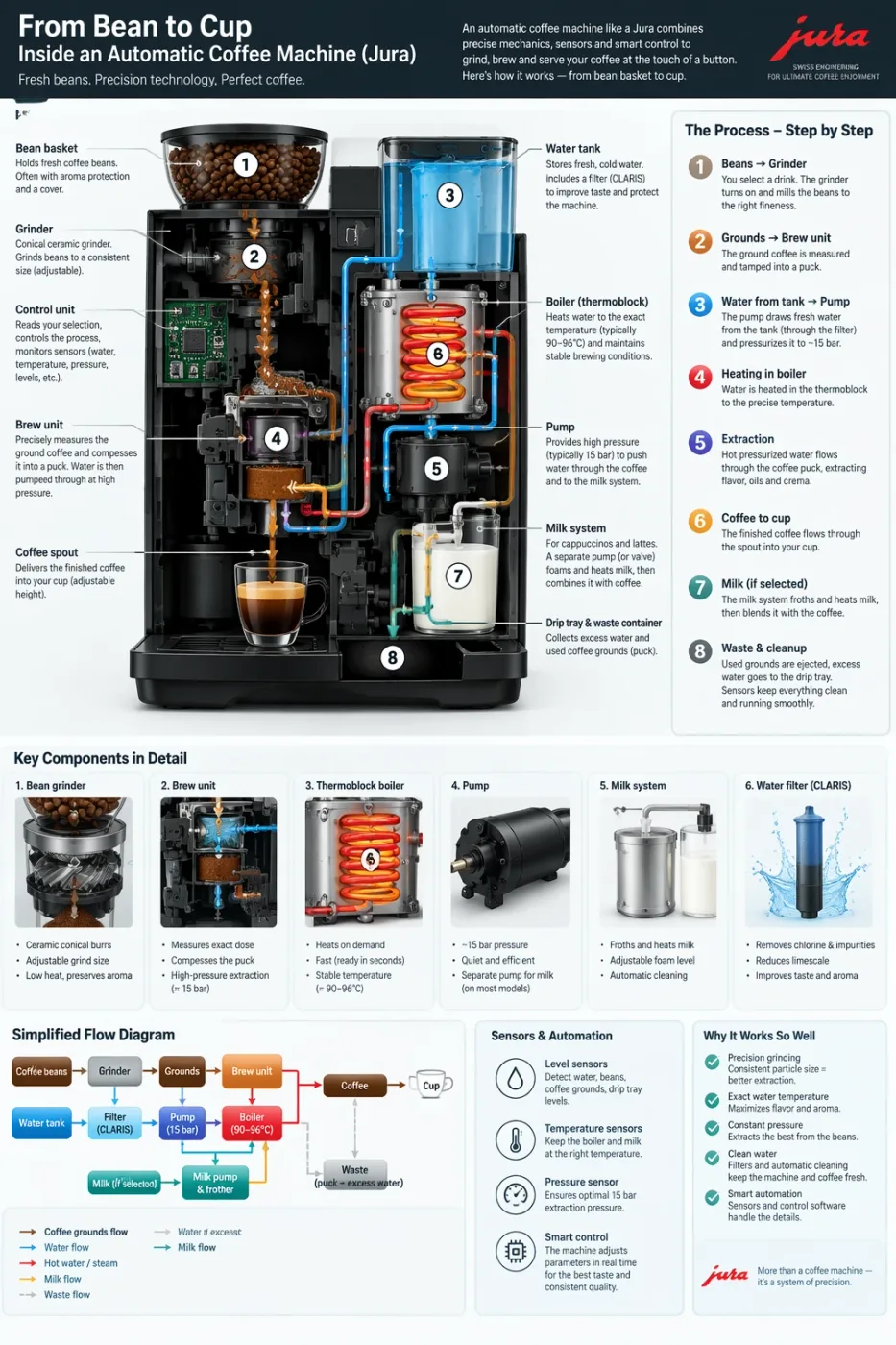
Automatic coffee machine workflow infographic
Create a detailed Infographic of the functioning and flow of an automatic coffee machine like a Jura. From bean basket, to grinding, to scale, water tank, boiler, etc. I'd like to understand technically and visually the flow.
by OpenAI
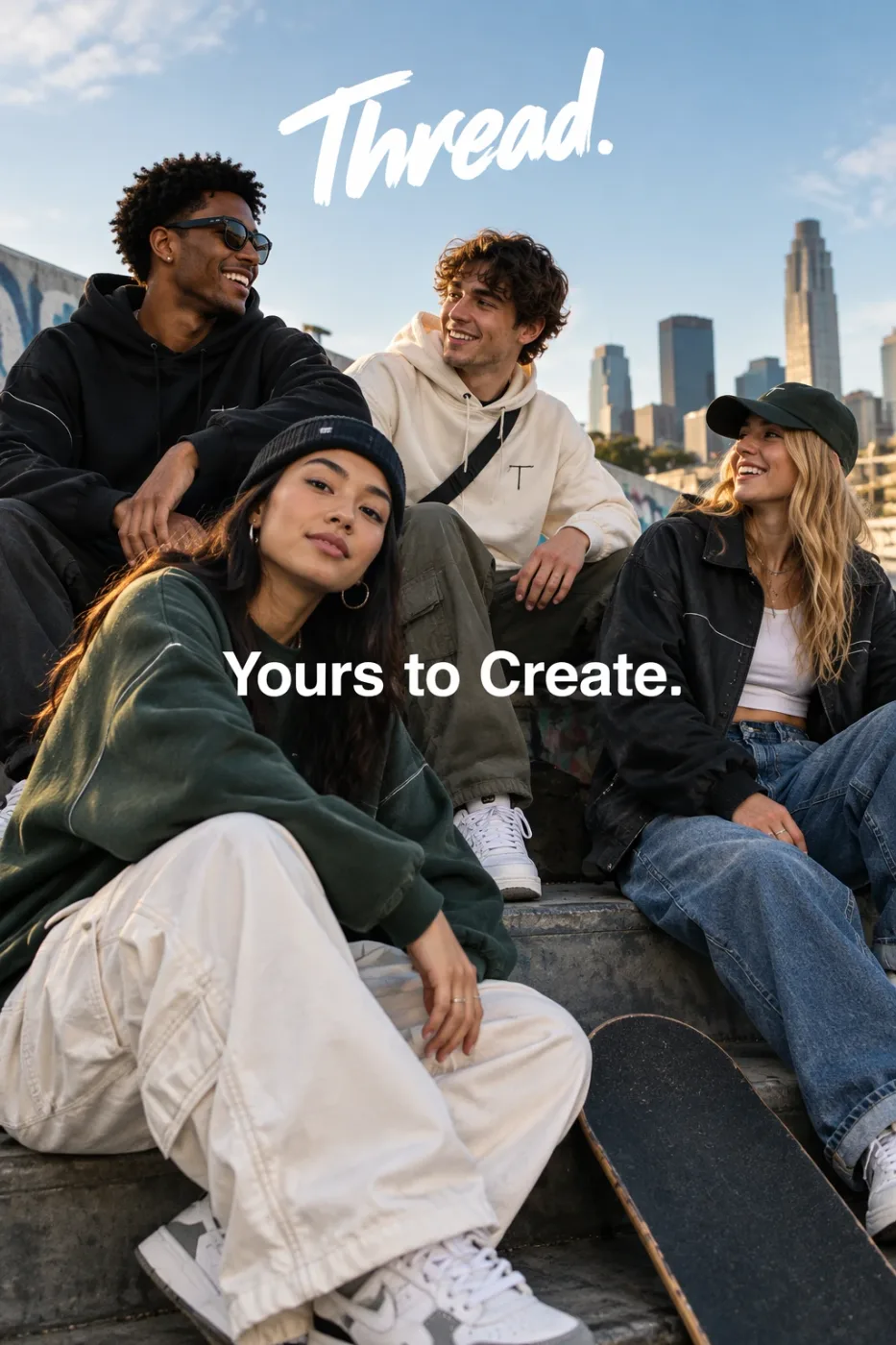
Thread streetwear ad with exact typography
Give me a cool in culture ad / fashion shot for a brand called Thread. It's a hip young street brand. The ad shows a group of friends hanging out together with the tagline "Yours to Create." Make it feel like a polished campaign image for a youth streetwear audience: stylish, contemporary, energetic, and tasteful. Use clean composition, strong color direction, natural poses, and premium fashion photography cues. Render the tagline exactly once, clearly and legibly, integrated into the ad layout. No extra text, no watermarks, no unrelated logos.
by OpenAI
We curate copy-ready prompt libraries — every entry shows its full text and a sample result, ready to adapt.
How to get access, regional availability, and how this model compares with its alternatives.
